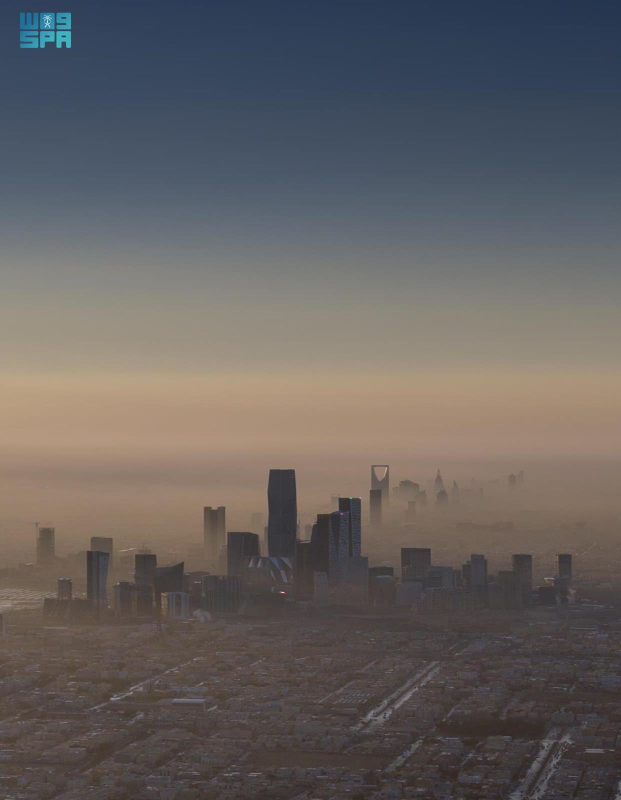

Riyadh, Saudi Arabia – Residents across large portions of the Kingdom of Saudi Arabia are bracing for continued severe weather, with a high probability of snowfall in the Qassim region and northern Riyadh province expected on Thursday. The National Center for Meteorology (NCM) has issued multiple alerts, including a red alert for Qassim lasting three days, due to persistent heavy rainfall and the risk of flash floods. The unusual weather pattern is impacting travel and daily life, prompting authorities to urge caution.
The forecast extends beyond the immediate Riyadh area, encompassing the Eastern Province, Northern Borders, and parts of the western and southwestern regions. Rainfall has already been reported in Riyadh, though primarily as light drizzle, with some localized heavier showers and hail. The NCM is actively monitoring the situation and providing updates to the public.
Understanding the Current Weather System and Snowfall Potential
The current weather event is driven by an intense atmospheric system bringing colder temperatures and increased precipitation to the region. According to the NCM, temperatures are already dropping below zero degrees Celsius in the highlands of Tabuk and Hail, creating conditions conducive to snow. This marks a rare occurrence for many areas within the Kingdom.
Regional Forecast Breakdown
The NCM’s daily report indicates moderate to heavy thunderstorms are likely across Riyadh, the Eastern Province, and the Northern Borders, increasing the risk of flash flooding. Strong, gusty winds and hail are also expected to accompany these storms. Moderate rainfall is predicted for Tabuk, Al-Jouf, Hail, and Qassim, with localized fog possible.
Beyond the potential for snow, the highlands of Tabuk and Hail, as well as the northeastern areas of the Madinah region, may experience frost. This cold snap is significantly different from the typical climate of these regions, which are usually characterized by warm, dry conditions during this time of year. The NCM is emphasizing the importance of preparedness for these unusual conditions.
The situation in Riyadh, while not experiencing widespread flooding, saw 12 mm of rainfall recorded at the capital’s monitoring stations on Monday, with a maximum of 24 mm at the King Khalid Royal Reserve. NCM spokesperson Hussein Al-Qahtani clarified that reports of significant flooding circulating on social media were inaccurate, urging residents to rely on official sources for information. This highlights the importance of verifying information during emergency situations.
Coastal areas are also affected. The Red Sea is experiencing northwesterly to northerly winds at 25–50 km/h, potentially exceeding 60 km/h during thunderstorms. Wave heights are expected to be between 1.5 and 2.5 meters, rising to 2.5 meters in the south during stormy weather. The Arabian Gulf is seeing westerly to southwesterly winds at 15–40 km/h, with potential gusts over 60 km/h during thunderstorm activity, and wave heights between 0.5 and 1.5 meters, increasing to over 2.5 meters during storms.
The possibility of snowfall is particularly noteworthy, as it is a relatively uncommon event in most parts of Saudi Arabia. While the mountainous regions in the southwest of the country occasionally receive snow, the forecast for Qassim and northern Riyadh suggests a broader geographical impact. This is attributed to the intensity and reach of the current cold air mass. The term “winter weather” is trending on social media as residents discuss the unusual conditions.
Authorities are actively preparing for potential disruptions. Civil defense teams are on alert to respond to emergencies, and infrastructure is being inspected to mitigate the risk of damage from heavy rainfall and strong winds. The focus remains on ensuring public safety and minimizing the impact of the severe weather. The NCM is also providing guidance on safe practices during thunderstorms and flash floods.
The extended forecast suggests that the severe weather will continue through Thursday, with the highest risk of snowfall concentrated in the Qassim region and northern Riyadh. However, the exact timing and intensity of the precipitation remain uncertain. The NCM will continue to issue updates as the situation evolves, and residents are advised to stay informed through official channels. Monitoring of weather patterns is crucial for effective disaster management and public safety.
Looking ahead, the NCM will continue to closely monitor the atmospheric conditions and provide updated forecasts. The duration of the cold spell and the extent of the snowfall are still subject to change. Residents should remain vigilant and prepared for potential disruptions to daily life, and heed the advice of local authorities. Further assessments will be made on Friday to determine the long-term impact of this weather system.