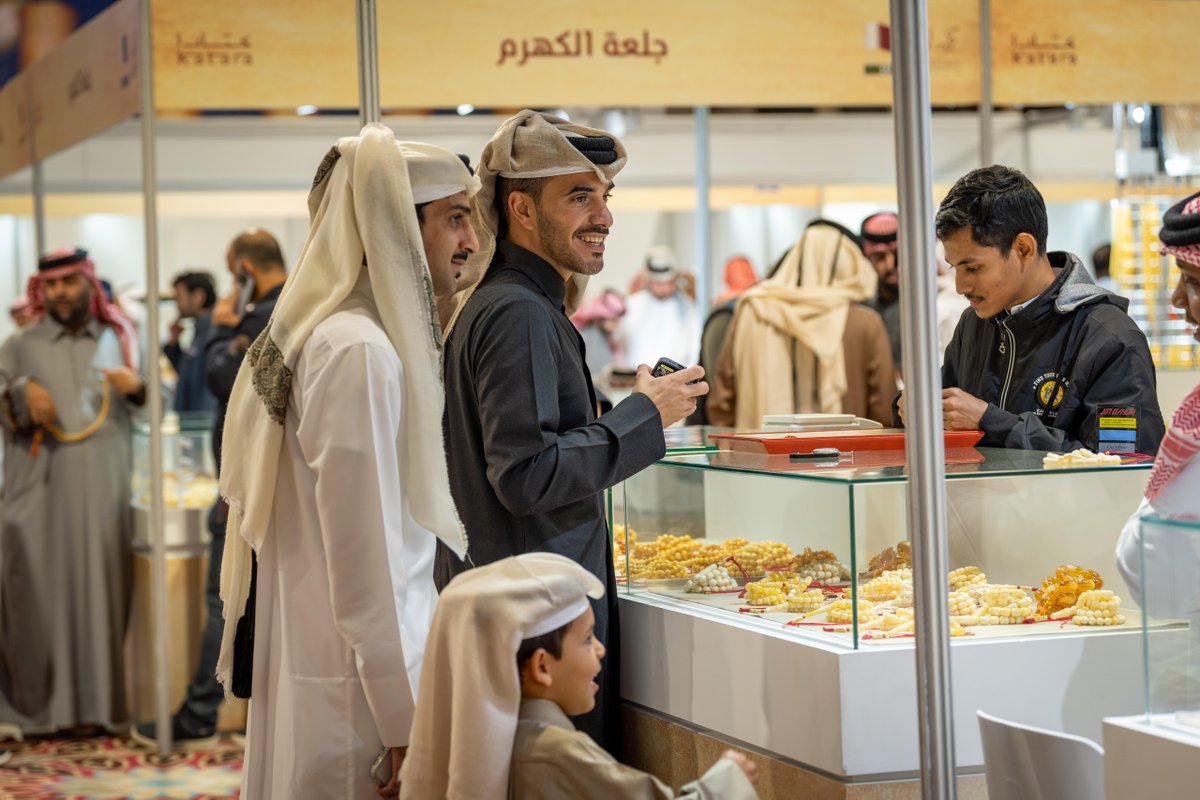

The sixth annual Katara International Amber Exhibition concluded in Doha, Qatar, today, drawing significant international participation and a large number of attendees. The event, which ran from January 15th to 21st, showcased the artistry and cultural significance of amber from 13 countries. Organizers report the exhibition continues to solidify its position as a leading specialized platform for the commercial, cultural, and artistic exploration of this ancient material.
Held at the Katara Cultural Village, the exhibition featured 82 pavilions displaying a diverse range of amber products, including jewelry, prayer beads (misbaha), and contemporary art pieces. The event attracted enthusiasts, collectors, and industry experts from around the globe, highlighting Qatar’s growing role in the preservation and promotion of heritage crafts. The exhibition’s success underscores the increasing global interest in unique gemstones and artisanal traditions.
The Growing Appeal of Amber and the Katara Exhibition
Amber, fossilized tree resin valued for its beauty and historical significance, has been prized for millennia. Historically used in jewelry and ornamentation, amber also holds cultural and spiritual importance in many societies. The Katara International Amber Exhibition provides a unique venue for showcasing the diverse ways amber is utilized and appreciated worldwide.
This year’s exhibition demonstrated a notable expansion in the variety of amber craftsmanship on display. Participating countries presented pieces reflecting distinct artistic styles and techniques. This diversity attracted a wider audience, including academics studying the material’s history and properties, as well as collectors seeking rare and unique items.
Showcasing Qatari Identity Through Amber Art
Among the standout exhibits was the “Amber Stone” pavilion, which featured handcrafted sculptures inspired by Qatari heritage. According to pavilion supervisor Abdulrahman Mohammed Al Sulaiti, each sculpture required approximately one month of meticulous work by specialized European artisans.
The sculptures depicted iconic symbols of Qatar, such as traditional pearl diving tools, falcons, Arabian oryx, and horses. This fusion of international craftsmanship and local symbolism proved particularly popular with visitors seeking distinctive art pieces. The pavilion’s focus on Qatari identity through amber artistry demonstrates a commitment to preserving and celebrating local culture.
Additionally, the exhibition highlighted the growing market for amber prayer beads, a significant cultural item in many Middle Eastern countries. Several pavilions specialized in misbaha, showcasing intricate designs and rare amber varieties. This segment of the exhibition catered to a dedicated audience and contributed to the event’s overall commercial success.
International Collaboration and Cultural Exchange
The participation of 13 countries – including nations known for amber production and craftsmanship – fostered valuable cultural exchange. The exhibition provided a platform for artisans and experts to share knowledge, techniques, and perspectives on this ancient material. This collaborative environment is crucial for the continued development and preservation of amber-related arts and crafts.
However, the amber trade faces challenges, including sustainability concerns and the potential for fraudulent practices. Industry stakeholders emphasize the importance of responsible sourcing and authentication to ensure the long-term viability of the market. The Katara exhibition, by promoting transparency and quality, contributes to addressing these issues.
The event also showcased contemporary applications of amber, moving beyond traditional jewelry and artifacts. Several artists presented innovative works incorporating amber into modern designs, demonstrating the material’s versatility and potential for artistic expression. This focus on innovation helps to attract a new generation of enthusiasts and collectors.
Looking ahead, organizers have not yet announced dates for the seventh edition of the Katara International Amber Exhibition. However, given the continued success and growing international interest, another event is anticipated in early 2025. Future exhibitions will likely focus on expanding participation from emerging amber-producing regions and further promoting sustainable practices within the industry. The ongoing development of the Katara Cultural Village as a hub for arts and culture will also influence the exhibition’s future direction.
Source: The Peninsula Qatar
Katara Cultural Village
Learn more about Amber