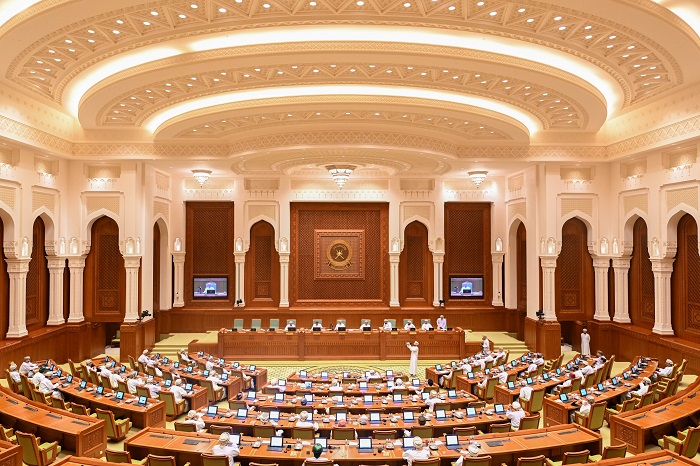

Oman is poised to strengthen its economic ties with India as the Shura Council prepares to discuss the draft Comprehensive Economic Partnership Agreement (CEPA) between the two nations. This significant development, referred to the Council by the Omani Cabinet, highlights the Sultanate’s commitment to diversifying its economy and fostering international collaborations. The upcoming session signifies a crucial step towards potentially unlocking substantial trade and investment opportunities through this key Oman India CEPA.
Shura Council to Deliberate on Landmark Oman India CEPA
The Omani Shura Council will convene on Wednesday, December 10th, for its Fifth Regular Session of the Third Annual Sitting, marking a formal review of the proposed Oman India CEPA. According to Ahmed Al Nadabi, Secretary-General of the Shura Council, the discussion is mandated by Article (54) of the Law of the Oman Council, ensuring legislative oversight of significant economic agreements. This process allows for thorough examination and provides a platform for valuable input before finalization.
A Legal Framework for Economic Collaboration
Article (54) of the Law of the Oman Council dictates that the Cabinet must refer draft economic and social agreements to the Shura Council. This is to ensure the Council can offer its perspectives and conclusions, which are then taken into consideration before the government proceeds. This commitment to transparency and collaborative governance underscores the importance Oman places on building strong, mutually beneficial international relationships.
Insights from the Economic and Financial Committee
The core of Wednesday’s session will center on the detailed report prepared by the Economic and Financial Committee. This committee has been diligently reviewing the intricacies of the Oman India CEPA, focusing on its objectives, scope of economic cooperation, and potential impact on the Omani economy. The Committee’s analysis will be presented to the Council, along with observations gathered from relevant governmental authorities during recent meetings.
The CEPA is expected to cover a wide array of sectors, potentially including trade in goods and services, investment promotion, and cooperation in areas such as energy, infrastructure, and technology. A comprehensive trade agreement with India represents a major strategic move for Oman, capitalizing on India’s rapidly growing market and its position as a global economic power.
Addressing Social Issues: Behavioral Challenges in Schools
Alongside the economic partnership review, the Shura Council will also address critical social concerns. A report from the Committee for Education, Research, and Innovation will be discussed, focusing on tackling behavioral challenges among school students. This indicates a holistic approach to national development, acknowledging the importance of investing in the next generation.
The Committee’s work involved a thorough examination of both the educational and technical aspects of the issue. Their recommendations are anticipated to offer actionable strategies for improving the quality of education and fostering a more supportive learning environment within the Sultanate. Improving educational outcomes is a key pillar of Oman’s Vision 2040 and a focus for long-term sustainable growth.
Preserving Cultural Heritage Through Auction Regulation
Further demonstrating its diverse agenda, the Council will also review a report from the Committee for Media, Tourism, and Culture. This report concerns the establishment of a regulated auction system for the sale of cultural and heritage artefacts. Managing the trade of these items effectively is vital for preserving Oman’s rich history and cultural identity.
The report delves into the necessary mechanisms for regulating such auctions, ensuring transparency and preventing the illicit trade of national treasures. It also explores the governance frameworks needed to oversee these sales and safeguards their cultural and social impact. This proactive approach highlights Oman’s dedication to protecting its heritage while potentially generating economic benefits from its cultural assets. This initiative may have impacts on tourism in Oman as well.
Implications and Future Outlook
The discussion and potential approval of the Oman India CEPA represent a significant milestone in the nations’ evolving economic relationship. The agreement is expected to reduce trade barriers, increase investment flows, and create new opportunities for businesses in both countries. Furthermore, the simultaneous attention to education and cultural preservation demonstrates Oman’s commitment to balanced and sustainable development.
Stakeholders are closely watching the proceedings, anticipating a favorable outcome that will strengthen economic ties and unlock mutual benefits. Successful implementation of the CEPA, alongside improvements in education and cultural heritage management, will contribute positively to Oman’s economic diversification goals and its overall national progress. Remaining discussions and implementation stages will be key to maximizing the gains from this promising partnership. Further details on the Oman government initiatives surrounding the CEPA are expected following the Shura Council session.
The Shura Council’s role in shaping national policy through thoughtful deliberation is paramount. This session, with its focus on both economic expansion and social well-being, exemplifies its dedication to a prosperous and culturally vibrant future for Oman. Stay tuned for updates following the Council’s meeting on Wednesday.