
Bahrain has significantly strengthened its regulatory framework for external auditors with the recent passage of an urgent amendment to the 2021 law. The move, approved by the Shura Council, aims to bolster market trust, enhance audit quality, and align the Kingdom with international standards. This article delves into the key changes introduced by the amendment, its rationale, and the implications for auditors and businesses operating within Bahrain.
Strengthening Audit Oversight in Bahrain
The amendment to Decree-Law No. 15 of 2021, alongside Decree No. 76 of 2025, represents a substantial shift in how the auditing profession is governed in Bahrain. The most notable change is the replacement of the existing ‘Disciplinary Board’ with a more robust ‘Auditors Accountability Board’. This new board is designed to be more proactive and effective in holding auditors responsible for their work, ultimately safeguarding the integrity of financial reporting.
The Ministry of Industry and Commerce emphasized the urgency of this amendment, citing potential repercussions for Bahrain’s international standing and its ability to meet global obligations if audit oversight remained outdated. This underscores the importance of a strong and reliable audit system in maintaining investor confidence and facilitating economic growth.
Key Changes Introduced by the Amendment
Several key provisions were added to the law, impacting both domestic and international audit firms and individual auditors. These changes focus on enhancing competence, increasing accountability, and clarifying responsibilities.
Enhanced Auditor Qualifications
The bill raises the standards for auditors, particularly those seeking to practice in Bahrain from overseas. To be eligible, foreign auditors must demonstrate that their professional license remains valid in their home country and possess a minimum of five years of continuous practical experience after achieving a professional qualification. This ensures that auditors working in Bahrain have a consistently high level of expertise.
Expanded Sanctions for Non-Compliance
Previously, penalties for auditors included written warnings and fines up to BD100,000, with the possibility of license cancellation. The amended law expands these sanctions to include more nuanced and corrective measures. These additions include:
- Mandatory training or educational programs for up to three years, specifically targeted at addressing deficiencies in audit quality.
- Conditional license restrictions for up to one year.
- Temporary bans on auditing specific types of entities for up to one year.
- Restrictions on renewing audit appointments with clients, either fully or partially, for up to three years.
These expanded sanctions aim to move beyond simple punitive measures towards fostering genuine professional responsibility and continuous improvement.
Clarified Scope of Audit Responsibilities
The amendment clarifies the scope of an auditor’s responsibilities, specifically removing the obligation to verify and report on a company’s implementation of governance systems, anti-money laundering (AML) and counter-terrorist financing (CTF) measures, and other international obligations. The rationale behind this change is that these responsibilities already fall under the purview of the companies themselves and are subject to separate regulatory oversight.
However, it’s crucial to note that auditing standards regarding AML and CTF compliance remain in effect. Auditors and audit offices are still required to adhere to relevant laws, including Decree-Law No. 4 of 2001, and guidelines issued by the Central Bank of Bahrain. This ensures continued vigilance against financial crime.
The Auditors Accountability Board: Structure and Function
The newly established Auditors Accountability Board will play a central role in enforcing the amended law. The board will be formed by ministerial decision every three years and will be chaired by a judge from the High Civil Court. Its membership will also include:
- Another judge nominated by the Supreme Judicial Council.
- A representative from a relevant ministry.
- Two professional specialists in the field of auditing.
This composition ensures a balance of legal expertise, regulatory oversight, and practical industry knowledge. The board’s primary function will be to investigate complaints, assess audit quality, and recommend appropriate sanctions when necessary.
A Shift Towards Professional Responsibility
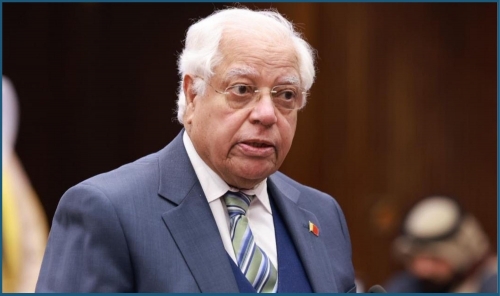
Shura Council members have emphasized that the amendments represent a fundamental shift in the approach to regulating the auditing profession. Fouad Al Hajji described the changes as a “regulatory shift” directly linked to market trust and the national economy. The focus is no longer solely on identifying and punishing wrongdoing, but on proactively promoting a culture of professional responsibility and continuous improvement within the auditing sector.
Dr. Mohammed Al Khazaie highlighted the critical role of external auditors in maintaining confidence in corporate financial statements, emphasizing their importance to businesses, shareholders, and the overall economic landscape.
In conclusion, the recent amendment to Bahrain’s external auditors law is a significant step towards strengthening the Kingdom’s financial regulatory environment. By enhancing auditor qualifications, expanding sanctions, clarifying responsibilities, and establishing a robust accountability board, Bahrain is demonstrating its commitment to maintaining market integrity and fostering a stable and trustworthy business climate. This update is expected to have a positive impact on investor confidence and contribute to the long-term economic prosperity of the nation. Businesses and auditors alike should familiarize themselves with the new provisions to ensure full compliance and benefit from the enhanced clarity and accountability within the profession.