


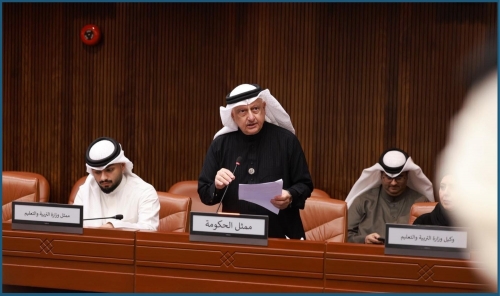

The Bahraini sports landscape is undergoing a significant transformation with recent amendments to its sports professionalism law. Approved by the Shura Council on Sunday, these changes aim to streamline governance and align national regulations with international standards, ultimately fostering a more dynamic and efficient sports sector. The core of the update centers around shifting key administrative powers to the General Sports Authority (GSA), while maintaining the technical autonomy of individual sports federations regarding player contracts and transfers – a move designed to enhance Bahrain sports law.
Streamlining Sports Governance with Amended Bahrain Sports Law
The amendments, formalized through Decree-Law No. 40 of 2025, build upon Law No. 8 of 2021 concerning sports professionalism. The impetus for these changes stems directly from the establishment of the GSA and the need to address potential legislative gaps that could impede the progress of sports administration within the Kingdom. As Dr. Ali Al Haddad, a Shura Council member, explained, the goal is to create a single, central authority responsible for the overarching rules governing sports professionalism.
This doesn’t mean a takeover, however. The Shura Council’s Youth Committee emphasized the importance of preserving the technical independence of the federations. They will retain control over the specifics of professional contracts and player transfers within their respective sports. This balance is crucial for maintaining the integrity and specialized knowledge within each sporting discipline.
The Role of the General Sports Authority
The revised Bahrain sports law designates the President of the GSA as the central figure responsible for the general rules of the professionalism system. This consolidation of power is intended to expedite decision-making processes and create a more responsive regulatory environment. Dr. Jehad Al Fadhel, the Second Deputy Chairperson of the Shura Council, highlighted this benefit, noting that modern sports have evolved into a significant industry requiring “faster, more dynamic procedures.”
Abdulrahman Askar, CEO of the GSA, echoed this sentiment, stating that the decree-law is a proactive step towards organizing and developing the sports sector in Bahrain. He further clarified that the amendments aim to harmonize national rules with international requirements, while simultaneously empowering federations to develop their own specific regulations concerning professionalism and sports contracts. This dual approach seeks to achieve both global compliance and local adaptability.
Balancing Technical Independence and Unified Regulation
A key principle underpinning the amended Bahrain sports law is the balance between centralized regulation and the technical expertise of individual federations. Redha Munfaradi, Head of the Shura’s Youth Committee, articulated this perfectly, stating that the decree-law “develops the legal framework… in a way that balances technical independence with unity of regulation, prevents duplication, and matches Bahrain’s international obligations.”
This careful calibration is vital for several reasons. It ensures that the GSA can provide overarching strategic direction and oversight, while federations can leverage their specialized knowledge to manage the intricacies of their respective sports. Preventing duplication of effort is also a significant benefit, leading to greater efficiency and resource allocation.
Dispute Resolution Mechanisms
Addressing potential conflicts is a critical component of any robust sports professionalism framework. Askar addressed concerns regarding dispute resolution, explaining that each federation already possesses a specialist committee dedicated to resolving sports-related disputes. Additionally, a dedicated sports arbitration body will handle urgent cases, providing a swift and impartial mechanism for resolving critical issues.
The decree-law establishes a clear framework for the relationship between players or coaches, the federation, and relevant sports bodies, ensuring that all parties understand their rights and responsibilities. This clarity is essential for fostering a fair and transparent sporting environment. The focus on efficient dispute resolution is a key aspect of modern sports administration.
Implications for the Future of Bahraini Sport
The approval of these amendments represents a significant step forward for the development of sports in Bahrain. By streamlining governance, clarifying responsibilities, and aligning with international standards, the revised Bahrain sports law lays a solid foundation for future growth and success. The emphasis on efficiency, transparency, and technical expertise will undoubtedly contribute to a more professional and competitive sporting landscape.
Looking ahead, the successful implementation of these changes will require ongoing collaboration between the GSA, the federations, and all stakeholders within the Bahraini sports community. Continued dialogue and a commitment to best practices will be essential for maximizing the benefits of this legislative shift. This proactive approach to sports regulation positions Bahrain for continued progress and recognition on the international stage, fostering a thriving environment for athletes, coaches, and sports enthusiasts alike.