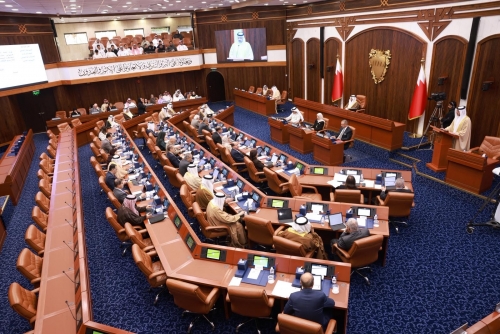

A significant step towards modernizing education in the Kingdom of Bahrain is underway, with a new draft law concerning private schools poised for review by the Shura Council this Sunday. The proposed legislation, Decree No. (60) of 2025, aims to overhaul the regulatory framework governing over 90,000 students currently enrolled in Bahrain’s private educational institutions, separating them from the rules applied to private training centers. This move signals a commitment to enhancing oversight, encouraging investment, and safeguarding the interests of both students and investors within the sector.
New Bahrain Private School Law: A Comprehensive Overview
The draft law, encompassing 36 articles, represents a comprehensive attempt to align private schools with national education policy. It addresses crucial areas including licensing procedures, operational standards, financial regulations, and accountability measures. The Services Committee of the Shura Council has already endorsed the bill, recommending its approval in principle. This positive assessment follows a thorough review initiated by Shura Council Chairman, Ali bin Saleh Al Saleh.
Key Provisions of the Draft Legislation
The proposed law doesn’t just focus on establishing rules; it aims to create a robust system for quality assurance and responsible management. Several key provisions stand out:
- Licensing and Operation: The draft outlines clear guidelines for obtaining and maintaining licenses, ensuring that all institutions meet established standards.
- Financial System: Regulations pertaining to the financial operations of private schools are detailed, promoting transparency and accountability.
- Student Protection: A ban on admitting students who don’t meet required standards and a mandatory one-year notice period for school closures are included to protect student interests.
- Accountability: The law establishes procedures for investigating and addressing violations, ensuring that institutions are held responsible for their actions.
Committee Reviews and Recommendations
While the Services Committee broadly supports the draft, other committees within the Shura Council have raised important points for consideration. The Legislative and Legal Affairs Committee confirmed the law’s constitutional soundness but highlighted potential ambiguities. They noted the continued inclusion of provisions related to private training institutions within the existing 1998 law, despite the intention to separate the two sectors.
Additionally, the committee pointed out a discrepancy in terminology, suggesting the use of “persons with disabilities” – the current standard in Bahraini law – instead of “persons with special needs.” They also requested further clarification regarding the qualifications and conditions for school directors beyond ministry approval.
Meanwhile, the Financial and Economic Affairs Committee acknowledged the potential impact of fines and penalties on public revenue. However, they emphasized that the primary goal of these measures is to encourage compliance, not to generate income. They suggested gathering data on past violations to better estimate potential fine revenue. This focus on compliance within Bahrain education is a key aspect of the proposed changes.
Stakeholder Feedback and Ministry Support
The draft law has garnered positive feedback from key stakeholders. Konooz Nursery, for example, welcomed the clear definition of early education institutions, the established timelines for license application decisions, and the proposed incentives for high-performing providers.
The Ministry of Education has also voiced its support for the legislation, stating that it will broaden the scope of supervision to include nurseries and specialized centers. The specific details of this expanded oversight will be outlined in executive regulations and decisions issued under the new framework. This expansion of school regulation is expected to benefit students across all age groups.
Implications for Bahrain’s Education Landscape
This new legislation represents a significant investment in the future of education in Bahrain. By modernizing the regulatory framework for private schools, the government aims to attract further investment in the sector, improve the quality of education offered, and ensure that all students have access to a safe and supportive learning environment.
The emphasis on aligning private education with national policy will also contribute to a more cohesive and effective education system overall. Furthermore, the increased oversight and accountability measures will help to protect the interests of students, parents, and investors alike.
In conclusion, the draft law concerning private schools is a crucial step towards strengthening Bahrain’s education sector. Its passage by the Shura Council will pave the way for a more robust, transparent, and accountable system that benefits all stakeholders. The upcoming review on Sunday will be a pivotal moment in shaping the future of education in the Kingdom, and it’s a development that parents, educators, and investors will be watching closely.