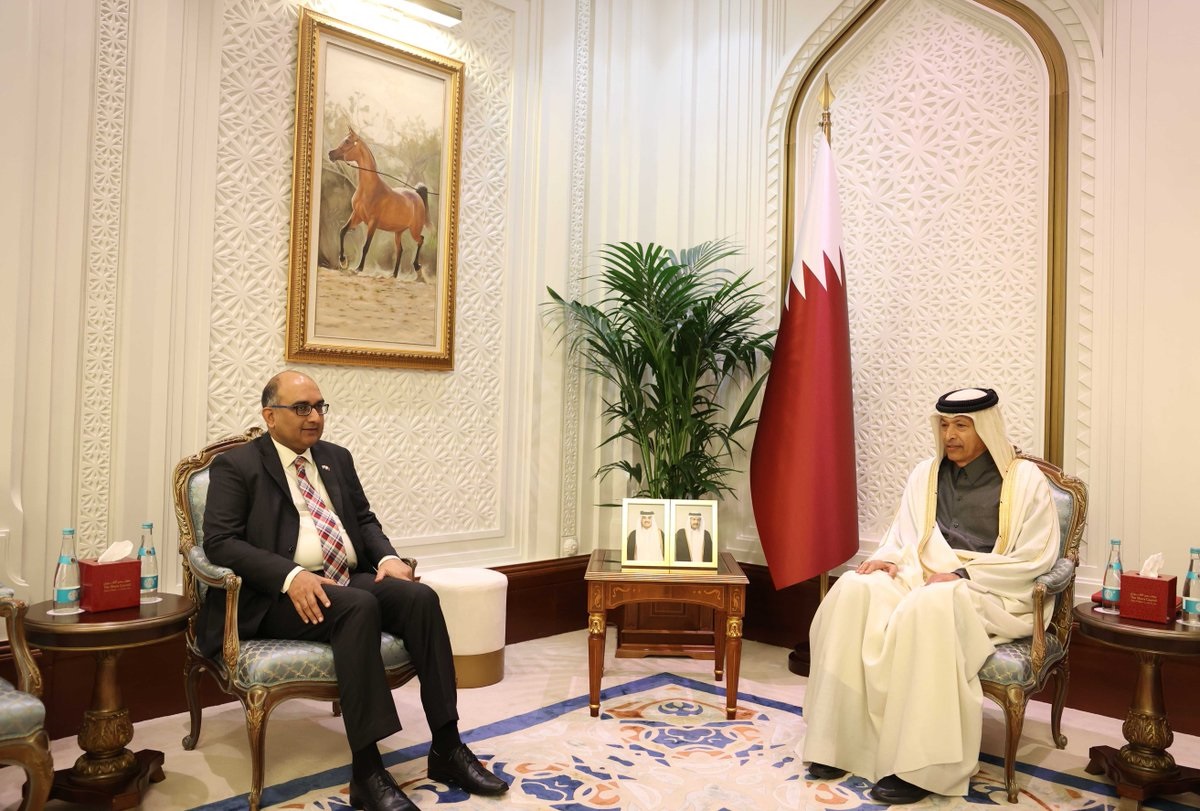

Doha, Qatar – The Speaker of the Shura Council, Hassan bin Abdullah Al Ghanim, held separate meetings with the ambassadors of India and Rwanda on Sunday, signaling continued diplomatic engagement for Qatar with both nations. Discussions centered on strengthening bilateral ties, with a specific focus on parliamentary cooperation, according to official reports. The meetings took place at the Shura Council headquarters in Doha.
HE Vipul, the Ambassador of the Republic of India, and HE Igor Marara Kayinamura, the Ambassador of the Republic of Rwanda, both met individually with Al Ghanim. These talks reflect Qatar’s efforts to diversify its international partnerships and bolster relationships within the diplomatic community in the region. The timing of these meetings comes amidst ongoing global discussions regarding economic and political stability.
Qatar Strengthens Parliamentary Relations with India and Rwanda
The primary objective of these meetings, as outlined in statements released by the Shura Council, was to review and enhance existing bilateral relations. Particular emphasis was placed on fostering closer ties between the parliaments of Qatar, India, and Rwanda. This pursuit of stronger international relations is a key tenet of Qatar’s foreign policy.
With India, the conversation likely touched upon the significant economic partnership between the two countries, including Qatar’s investments in Indian infrastructure and energy sectors. India is a major trade partner for Qatar, and the large Indian expatriate community in Qatar also plays an important role in the relationship. According to data from the Qatari Ministry of Commerce and Industry, bilateral trade exceeded $19 billion in 2023.
Meanwhile, the meeting with the Rwandan ambassador highlights Qatar’s growing interest in African nations. Rwanda has been experiencing substantial economic growth in recent years and presents potential opportunities for Qatari investment in areas like technology and tourism. This engagement with Rwanda is part of a wider pattern of Qatar actively seeking new opportunities in emerging markets.
Focus on Mutual Benefit
The meetings were characterized by a shared desire to identify avenues for mutually beneficial collaboration. Both ambassadors reportedly expressed their appreciation for Qatar’s role in regional and international affairs. Discussions likely included potential cooperation on issues such as security, counter-terrorism, and climate change.
However, analysis suggests that parliamentary relations are often crucial but less visible components of broader diplomatic ties. Increased interaction between legislative bodies can facilitate a deeper understanding of each country’s legal frameworks and policy priorities. This understanding can ultimately translate into more effective implementation of agreements and stronger overall cooperation.
In recent years, Qatar has actively sought to mediate in regional conflicts and promote peaceful resolutions. This role as a mediator has, in turn, required a concerted effort to build and maintain effective relationships with a wide range of countries, including India and Rwanda. These meetings demonstrate that commitment to diplomatic outreach.
The visits also provide opportunities to discuss regional security concerns. For instance, the Indian ambassador may have raised issues related to maritime security in the Indian Ocean, while the Rwandan ambassador might have focused on developments in East Africa. Qatar often plays a role in facilitating dialogue on such sensitive matters.
Looking ahead, it is expected that these discussions will lead to concrete initiatives aimed at strengthening parliamentary cooperation. This may include exchange programs for lawmakers, joint workshops on legislative best practices, and increased collaboration on issues of mutual concern. Further details on specific initiatives are anticipated in the coming months, potentially coinciding with planned state visits between the respective nations.
The long-term implications of these strengthened ties remain to be seen. Much will depend on evolving geopolitical circumstances and the continued commitment of all parties involved. Monitoring future announcements from the Shura Council and the foreign ministries of Qatar, India, and Rwanda will be crucial to assess the progress of these developing relationships.