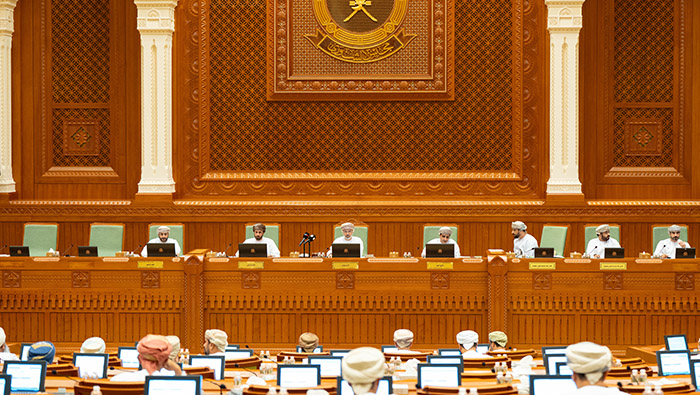

Oman is taking significant strides in modernizing its governance and fostering economic growth, as evidenced by recent proceedings within the Shura Council. On Tuesday, the Council approved the draft Sports Bodies Law and referred it to the State Council, marking a crucial step in its legislative process. However, the session also highlighted pressing issues related to the implementation of economic support and the preservation of cultural values, signaling a multi-faceted approach to national development.
Modernizing Oman’s Sports Framework: The New Sports Bodies Law
The approval of the draft Sports Bodies Law represents a major commitment to enhancing the Omani sports sector. Deputy Head of the Youth and Human Resources Committee, Sultan Humaid Al-Husani, presented the committee’s report, explaining how this legislation aims to create a more structured, transparent, and effective sports ecosystem. The law is designed to clearly define the roles and relationships between key entities including sports clubs, federations, the Olympic Committee, and government bodies.
Key Provisions of the Law
This updated law, replacing the 2007 regulations, incorporates 69 articles spread across nine chapters and focuses on several key areas. It aims to reinforce governance, promote financial independence and transparency, and stimulate sports investment within the Sultanate. A core objective is also encouraging public-private partnerships, recognizing the crucial role of collaborative efforts in achieving sustainable development. Furthermore, the law prioritizes talent development, seeking to build a stronger athletic base for Oman.
The committee undertook thorough research, consulting with club presidents and government specialists. They also analyzed sports legislation in neighboring countries, adopting best practices to tailor a modern and relevant framework for Oman’s specific needs.
Addressing Delays in Royal Grant Implementation for SMEs
Beyond sports, the Shura Council addressed a critical economic concern: the delayed implementation of a Royal Grant intended to support Small and Medium Enterprises (SMEs) and young entrepreneurs impacted by the pandemic. Member Hamid Ali Al-Nasri voiced urgent concerns regarding the lack of progress in disbursing the funds, particularly to those who received emergency loans.
According to Al-Nasri, the delays have created significant hardships for SMEs, including classification as distressed, declining credit ratings, and difficulties accessing further financing. The lack of action from Oman Development Bank and the continued pursuit of legal actions, such as check-related cases, exacerbate these challenges. Effectively, the grant’s benefits are not reaching those who need them most, hindering economic diversification.
Call for Immediate Action
Al-Nasri urged the government to take immediate steps to enforce the Royal Grant. This includes halting all collection and legal proceedings against eligible SMEs, issuing a clear and time-bound implementation plan, and providing a detailed report to the Shura Council outlining the causes of the delay. He emphasized the strategic importance of SMEs as drivers of economic growth and employment creation in Oman’s evolving economy.
Protecting Cultural Values at the Al-Dan International Festival
The Shura Council also demonstrated its commitment to safeguarding Oman’s cultural identity. Another urgent statement, delivered by Ali Khalfan Al-Husani, focused on inappropriate content during theatrical performances at the Al-Dan International Festival. This raised concerns about the oversight of public events and their potential impact on societal values.
Footage circulating online revealed scenes deemed religiously and ethically unsuitable for a public event attended by families and children. Al-Husani rightly asserted that protecting religious principles, moral standards, and national identity is a shared responsibility. He called for a prompt investigation into the festival organizers and a comprehensive review of the approval process for public events. The need for stricter regulations to prevent similar occurrences was also emphasized, underlining the importance of protecting Oman’s unique cultural heritage.
Oversight Powers of the Shura Council
The Shura Council’s proactive approach in addressing these diverse issues demonstrates the effectiveness of its oversight mechanisms. Under Article 57 of the Council of Oman Law, members possess the power to raise urgent statements regarding matters of public interest. This process allows for critical discussions and encourages government accountability. The standard procedure involves a written request by a Shura member, followed by a vote, and ultimately, a focused statement addressing the concern, excluding debates and items already assigned to committees.
In conclusion, the recent session of the Omani Shura Council signifies a period of active legislative progress and a strong commitment to economic support and cultural preservation. The approval of the Sports Bodies Law promises a modernized sports sector, while the raised concerns regarding the Royal Grant and the Al-Dan Festival highlight the Council’s dedication to addressing critical challenges facing the nation. Continued dialogue and decisive action are essential to ensure these initiatives contribute to Oman’s sustainable development and the well-being of its citizens. Readers are encouraged to follow Majlis Oman’s official website for further updates and insights into these important developments.