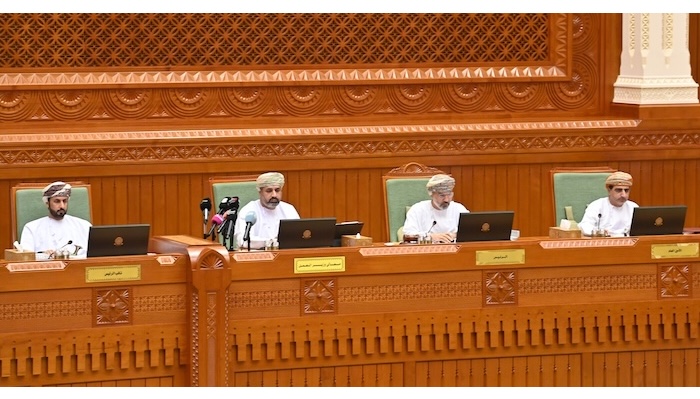

Oman is actively reshaping its labor landscape, with a strong focus on Omanisation and sustainable employment opportunities for its citizens. Recent discussions between the Shura Council and the Minister of Labour highlighted a comprehensive strategy for the Tenth Five-Year Development Plan, outlining key initiatives designed to bolster the national workforce and drive economic growth. This plan centers around five core pillars, aiming to create a more robust and digitally integrated labor market.
The Ministry of Labour’s Strategy for Omanisation and Employment Growth
His Excellency the Minister of Labour recently addressed the Shura Council, detailing the Ministry’s ambitious plans under the Tenth Five-Year Development Plan. The strategy is built upon five key pillars: labour policies and programmes, regulatory frameworks for both public and private sector employment, job creation and employment opportunities, training and qualification initiatives, and finally, digital transformation and improved inter-agency integration. The overarching goal is to enhance the stability and quality of employment for Omani nationals across all sectors.
A National Labor Database for Strategic Workforce Planning
A cornerstone of this strategy is the development of a national labor database. This electronically linked system will connect various institutions, providing crucial data for strategic workforce planning. This centralized resource will enable the government to make informed decisions, ensuring cohesive efforts and maximizing the impact of employment initiatives. This database is expected to significantly improve job creation efforts and streamline the process of matching qualified candidates with available positions.
Key Initiatives and Financial Commitments
The Ministry has launched 16 strategic programmes aligned with three national priorities: education and research, the labour market and employment, and governance of the state administrative apparatus and resources. Several key financial commitments were announced, demonstrating the government’s dedication to supporting the private sector and jobseekers.
Notably, support for private sector employment has been doubled from OMR 50 million to OMR 100 million. A new wage support initiative will target 15,000 new jobseekers, providing OMR 200 monthly for two years, with employers expected to cover any remaining salary difference. This initiative aims to incentivize companies to hire Omani nationals and reduce the financial burden on new employees.
Investing in Skills Development and Training
Recognizing the importance of a skilled workforce, the Ministry is heavily investing in training and qualification programmes. The “Training-for-Replacement” program will offer 50,925 training opportunities linked to employment between 2021 and October 2025, with 133 approved training programs already in place. This program is designed to equip Omani nationals with the skills needed to fill critical roles in the evolving job market.
Resolving Labor Disputes and Leveraging Digital Platforms
The Ministry is also focused on improving labor dispute resolution mechanisms. The Labor Negotiations and Dispute Resolution Department has successfully resolved 25,143 complaints, while 10,197 cases have been settled under the judicial system reform program. This demonstrates a commitment to fair labor practices and a stable working environment.
Furthermore, several digital platforms are being utilized to connect jobseekers with opportunities and provide valuable labor market data. The “Tawteen” platform has registered 3,535 establishments, listing 2,089 job postings and attracting over 173,000 users competing for 10,122 announced opportunities. “Murasid” provides labor market data analytics to 67 beneficiary entities and 108 users. “Khuta” platform, with 40,474 registered users and over 70,000 visitors, offers a wide range of academic and professional development resources, benefiting 2,465 youth.
Successful Employment Initiatives and Performance Improvements
Initiatives like “Sahem,” “2,000 Contracts,” and “One Million Hours” have collectively supported 8,273 beneficiaries across 95 public and private entities. These programs demonstrate a multi-faceted approach to addressing unemployment and fostering economic participation. The success of these programs underscores the effectiveness of targeted employment initiatives.
Additionally, the “Ejada” performance measurement system has shown significant improvement, with an 87% increase in implementation safety in the second half of 2025 compared to the first half. This highlights the Ministry’s commitment to continuous improvement and efficient service delivery.
Looking Ahead: A Stronger, More Skilled Omani Workforce
The Ministry of Labour’s strategy, as presented to the Shura Council, represents a significant step towards achieving a more robust and sustainable labor market in Oman. The focus on Omanisation, coupled with substantial investments in training, digital platforms, and dispute resolution, positions the nation for continued economic growth and a thriving national workforce. The doubling of private sector employment support and the targeted wage subsidies are particularly promising developments. Continued monitoring and evaluation of these initiatives will be crucial to ensure their long-term success and maximize their impact on the Omani economy. For more information on these initiatives, please visit the Ministry of Labour’s official website.