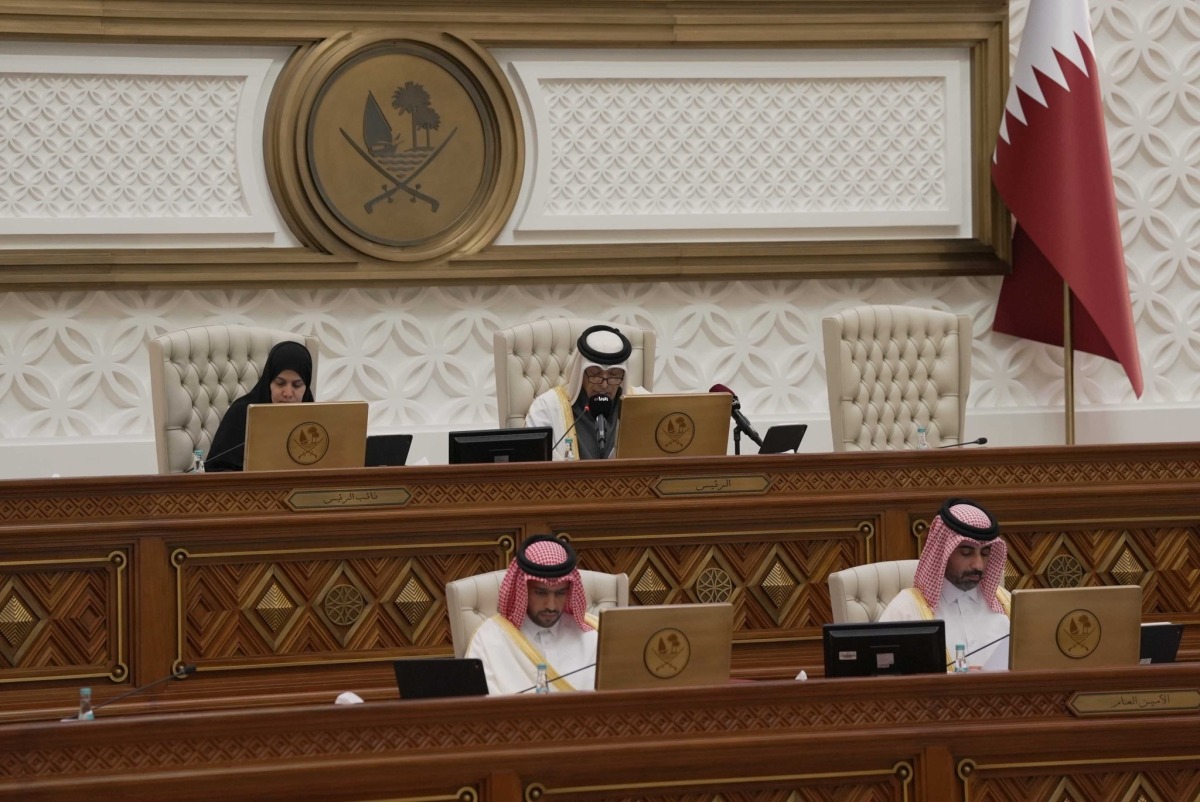

The Qatari Shura Council convened in Doha on Monday to discuss several key pieces of legislation and reports, including a bill aimed at improving animal welfare enforcement. The session, chaired by Speaker HE Hassan bin Abdullah Al Ghanim, addressed matters ranging from agricultural support to international parliamentary engagements. This meeting signals continued progress in Qatar’s legislative process as it addresses both domestic concerns and global collaborations.
The Council’s agenda included reviewing a government-submitted bill focused on strengthening regulations surrounding animal care and protection. The session also covered reports on food security, parental roles in child development, and owners’ association governance. These discussions reflect the Shura Council’s broad scope of responsibility in shaping Qatar’s policies.
Focus on Animal Welfare Legislation
A central item on the agenda was the proposed law to enhance animal welfare enforcement. The Council decided to refer the bill to the Health, General Services and the Environment Committee for detailed review. This committee will analyze the legislation and prepare a report with recommendations for the Council’s consideration. The move indicates a commitment to modernizing and improving standards for animal treatment within Qatar.
Committee Review and Next Steps
The committee’s review will likely focus on the specific mechanisms for enforcement, potential penalties for violations, and the overall scope of animal protection covered by the bill. According to previous statements by Qatari officials, the government aims to align its animal rights standards with international best practices. The timeline for the committee’s report remains unclear, but it is expected within the coming weeks.
Supporting Domestic Agriculture and Food Security
The Council also considered a report from the Health, General Services and the Environment Committee regarding recommendations for bolstering domestic agricultural support. This discussion centered on how existing mechanisms contribute to Qatar’s food security goals. Qatar has been actively investing in agricultural technologies and initiatives to reduce its reliance on imports, particularly in light of recent global supply chain disruptions.
The report likely assessed the effectiveness of current subsidies, land allocation policies, and research funding for local farms. Additionally, the Council approved extensions for the Social Affairs, Labor and Housing Committee to continue examining a public debate request concerning the vital role of parents in child upbringing. This highlights the Council’s responsiveness to public concerns and its commitment to social issues.
International Parliamentary Engagement
Meanwhile, the Shura Council reviewed reports detailing its delegation’s recent participation in international forums. These included visits to the Swiss Federal Assembly in Bern and the UN headquarters in Geneva. These engagements are crucial for Qatar to maintain diplomatic ties and contribute to global discussions on issues such as sustainable development and human rights.
The Council also examined a report on its involvement in the Second Parliamentary Conference on Interfaith Dialogue, held in Rome in June 2025. Qatar’s participation in such events underscores its commitment to promoting interfaith understanding and peaceful coexistence. These international collaborations are increasingly important as Qatar plays a more prominent role on the world stage, particularly concerning humanitarian efforts.
Looking ahead, the Shura Council is expected to receive the Health, General Services and the Environment Committee’s report on the animal welfare bill in the coming sessions. The Council will then debate and potentially vote on the legislation. The timing of any final approval and implementation remains subject to the legislative process and potential amendments. Stakeholders will be watching closely for details on the specific provisions of the bill and its impact on animal care standards in Qatar.