
Doha, Qatar – The Shura Council convened Monday to discuss enhancing the social and cultural roles of sport clubs in Qatar, recognizing their importance in achieving the nation’s long-term vision. The session, attended by ministry representatives, sports media, and community stakeholders, focused on maximizing the impact of these institutions beyond athletic performance. This discussion underscores Qatar’s commitment to holistic development, particularly for its youth.
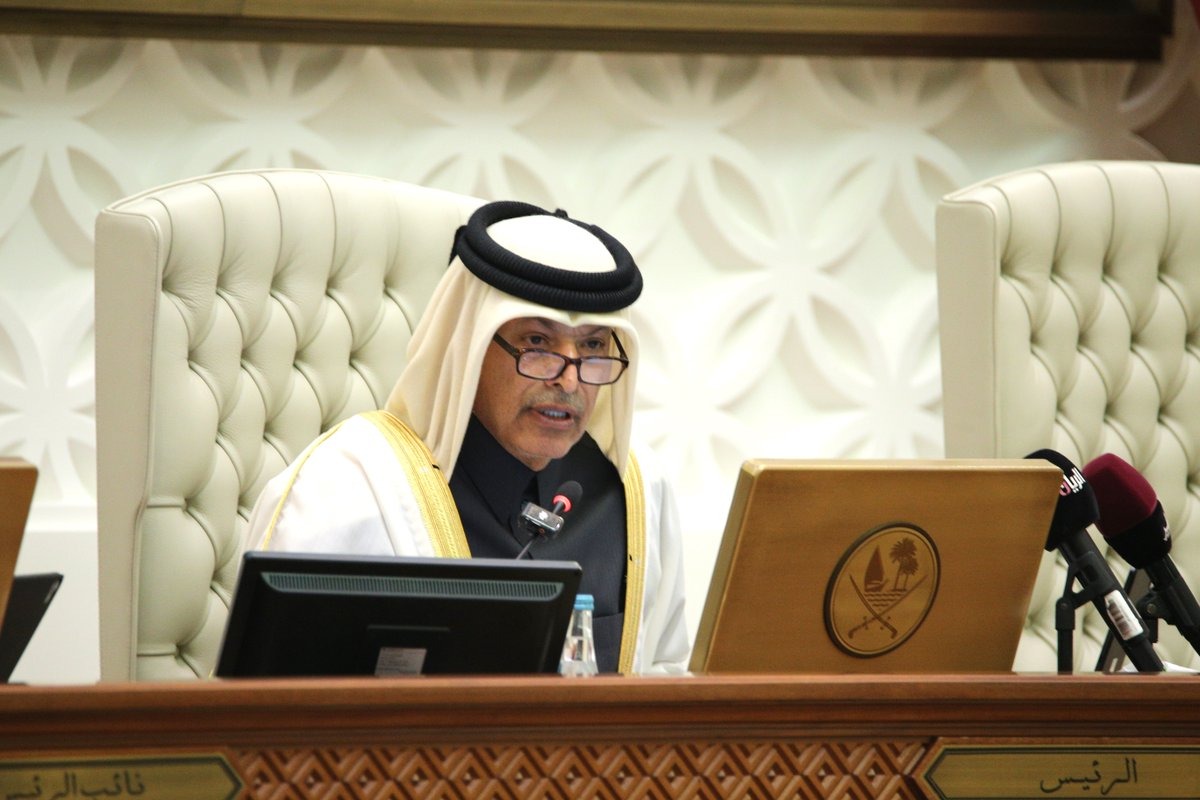
The meeting, chaired by HE Speaker Hassan bin Abdullah Al Ghanim, addressed a public deliberation request concerning the broader contributions of sport clubs to Qatari society. The council emphasized alignment with Qatar National Vision 2030 (QNV2030) and the constitutional mandate to support the well-being of young citizens. The focus extended beyond athletic training to encompass cultural enrichment and community engagement.
Strengthening the Role of Sport Clubs in Qatar
HE Al Ghanim highlighted the nation’s significant investment in sports infrastructure and the growing success of Qatari athletes on regional and global stages. However, he stressed that the true potential of sport clubs lies in their ability to contribute to the four pillars of QNV2030: human, social, economic, and environmental development. These institutions, he argued, are vital for fostering well-rounded individuals and building a strong, cohesive community.
Beyond Athletics: Social and Cultural Contributions
Council members emphasized the crucial role sport clubs play in social upbringing, complementing the efforts of families, schools, and other community organizations. They noted the ability of these clubs to identify and nurture athletic talent, while simultaneously promoting values like patriotism, teamwork, discipline, and punctuality. These qualities are seen as essential for developing responsible and engaged citizens.
The discussion also highlighted the existing facilities offered by many clubs, extending beyond traditional stadiums to include green spaces, fitness trails, and recreational areas. These amenities encourage physical activity and community interaction, contributing to improved public health and well-being. The availability of these resources is seen as a key asset for local residents.
Expanding Community Engagement and Partnerships
Members urged club administrations to diversify their activities, increasing the quantity and quality of social and cultural events. They specifically called for greater inclusivity, with dedicated programs for the elderly and individuals with disabilities. Expanding year-round programming, beyond the typical summer break, was also recommended. Youth centers and collaborative programs were suggested as a means to broaden reach and impact.
Additionally, the council discussed the importance of forging partnerships with educational institutions, cultural organizations, and the private sector. Reducing reliance on state funding through private sector investment was identified as a way to ensure financial sustainability and expand the scope of club activities. Effective communication of these initiatives through various media platforms, particularly social media, was also emphasized to reach a wider audience, especially young people.
Relatedly, the discussion touched upon the importance of community development through these initiatives, and the potential for sports participation to improve overall quality of life. The council also acknowledged the need for Qatar’s youth to have access to diverse opportunities for personal growth.
Following extensive debate, the council decided to refer the public deliberation request to the Education, Culture, Sport and Media Affairs Committee for further review. The committee will prepare a report with recommendations for the council’s consideration. A timeline for the committee’s report was not specified, but it is anticipated within the next few months. The outcome of this review will likely shape future policies and funding priorities for sport clubs across Qatar, and stakeholders will be watching for further developments.
The Shura Council also approved a draft law amending provisions of the selective tax law, which was subsequently referred to the government for review.