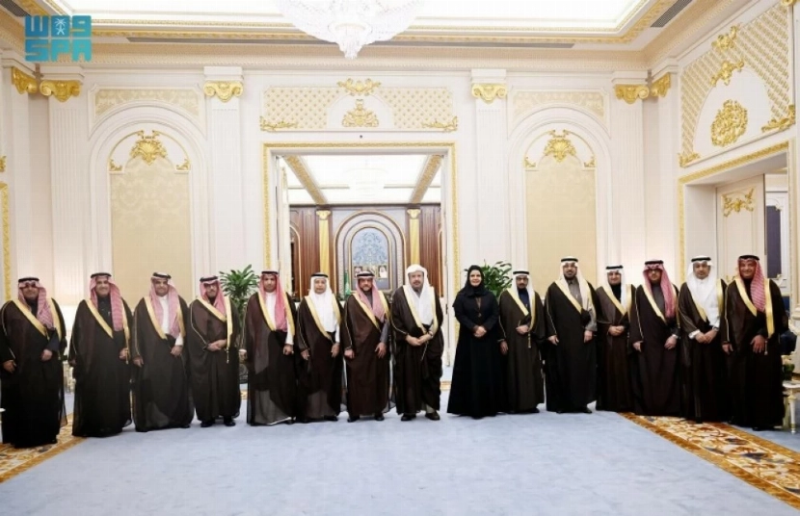

RIYADH — The Saudi Shoura Council recently hosted a reception for the Kingdom’s newly appointed ambassadors to twelve countries, signaling a continued push for strengthened international relations. The meeting, held Monday at the Council’s headquarters in Riyadh, saw Shoura Council Speaker Sheikh Abdullah Al-Sheikh welcome the diplomats and outline expectations for their roles. This event underscores Saudi Arabia’s active diplomatic efforts as it pursues its Vision 2030 goals.
The ambassadors represent Saudi interests in Brunei Darussalam, Kyrgyzstan, Romania and Moldova, Nigeria, Bosnia and Herzegovina, Burkina Faso, Albania, Ethiopia, Tajikistan, Myanmar, Nepal, and Vietnam and Cambodia. Sheikh Al-Sheikh emphasized the importance of these posts in fostering collaboration and representing Saudi Arabia’s foreign policy objectives. The reception comes as Saudi Arabia continues to diversify its partnerships globally.
The Role of Saudi Ambassadors in International Relations
The appointment and briefing of these ambassadors are crucial to the execution of Saudi Arabia’s foreign policy agenda. Saudi Arabia has been actively working to strengthen ties with nations across Asia, Africa, and Europe, seeking to build bridges through diplomatic channels. This broader strategy, according to analysts, aims to enhance the Kingdom’s economic and political influence on the world stage.
Sheikh Al-Sheikh specifically highlighted the significance of reinforcing bilateral relations and conveying Saudi Arabia’s consistent support for regional and global security and stability. He stressed the need for effective communication of the Kingdom’s policies and a proactive approach to identifying and advancing areas of mutual benefit. This messaging reflects Saudi Arabia’s longstanding commitment to peaceful resolution of conflicts.
Responsibilities and Expectations
The Shoura Council speaker detailed the responsibilities of the ambassadors, including acting as key representatives in promoting parliamentary diplomacy. This involves building relationships with legislative bodies in their assigned countries and fostering understanding on issues of common concern. Such engagement is perceived as a vital component of long-term strategic partnerships.
Furthermore, the ambassadors were encouraged to present a positive image of Saudi Arabia, showcasing its cultural heritage and modernization efforts. This aspect of their role aligns with the Kingdom’s Vision 2030, which emphasizes national branding and improved international perception. Communication strategies around tourism and economic development will be key.
The ambassadors themselves expressed gratitude for the guidance provided by Sheikh Al-Sheikh. They acknowledged the importance of the Shoura Council’s role and its contributions to strengthening Saudi Arabia’s position internationally. A clear understanding of the council’s function is fundamental to effective representation.
The recent appointments follow a period of heightened diplomatic activity for Saudi Arabia. This includes increased engagement with regional organizations such as the Gulf Cooperation Council (GCC) and intensified efforts to mediate in international disputes. The Kingdom is actively seeking to play a more prominent role in shaping global events.
Several of the appointments involve non-resident ambassadorships, such as the Ambassador to Romania being concurrently accredited to Moldova, and the Ambassador to Vietnam being accredited to Cambodia. This practice allows Saudi Arabia to efficiently manage its diplomatic presence across a wider geographic area. It also streamlines administrative processes and resource allocation.
The selection of ambassadors to these specific countries reveals Saudi Arabia’s strategic priorities. Nations in Southeast Asia, like Vietnam and Myanmar, represent growing economic opportunities and potential trade partners. Similarly, expanding relations with countries in Eastern Europe and Africa is seen as vital for diversifying the Kingdom’s diplomatic outreach. These regions are gaining importance in the context of a changing global order.
The diplomatic initiative takes place amid ongoing geopolitical shifts. Increased competition amongst major powers and the rise of new economic blocs are reshaping the international landscape. Saudi Arabia is adapting its diplomatic strategy to navigate these complexities and safeguard its national interests. Developing robust partnerships across multiple regions is central to this approach.
There is an observed trend of Saudi Arabia increasing the focus on economic diplomacy. Ambassadors will likely be tasked with promoting Saudi investment abroad and attracting foreign capital to the Kingdom, in line with the Vision 2030 diversification plan. This emphasis is partly driven by the need to reduce reliance on oil revenues.
Further underscoring the importance of this diplomatic effort is the Kingdom’s goal to enhance its standing in international forums. Strengthened bilateral ties are seen as a stepping stone to more effective engagement on global issues, such as climate change, counter-terrorism, and sustainable development. Saudi Arabia’s increasing involvement in these areas reflects a growing sense of global responsibility.
Looking ahead, the success of these ambassadors will be measured by their ability to translate diplomatic engagement into tangible outcomes. These include increased trade volume, enhanced security cooperation, and a strengthened Saudi image abroad. Performance evaluations are likely to focus on quantifiable achievements in these areas. The Ministry of Foreign Affairs will likely monitor progress closely.
The next steps involve the ambassadors presenting their credentials to the heads of state in their respective host countries. This formal process officially marks the beginning of their diplomatic missions. The timeline for these presentations will vary depending on local protocols and scheduling considerations, but are expected to be completed within the coming weeks. Continued monitoring of Saudi Arabia’s foreign policy is crucial, particularly concerning these developing relationships.