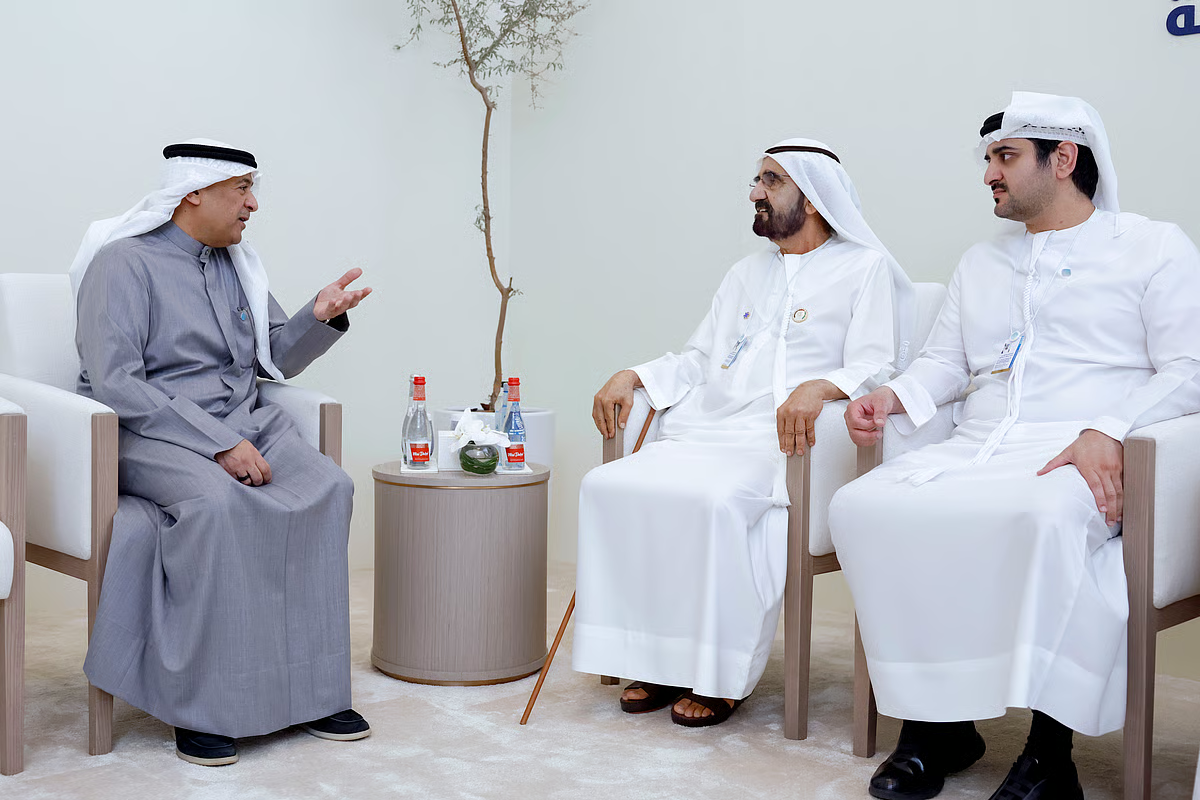

Dubai’s leadership convened a high-level meeting this week to discuss strategies for bolstering the United Arab Emirates’ position as a global hub for sports and economic development. The meeting, attended by key figures including Sheikh Maktoum bin Mohammed, focused on leveraging major sporting events to drive investment and diversify the national economy. Discussions centered on maximizing the long-term benefits of hosting international competitions and attracting related industries.
The gathering, held in Dubai, included Sheikh Mansoor bin Mohammed, President of the UAE National Olympic Committee, and several ministers, signaling a coordinated governmental approach to this initiative. The focus on sports as an economic driver reflects a broader UAE strategy to reduce reliance on hydrocarbons and cultivate a knowledge-based economy. Details of specific projects were not immediately released, but the meeting underscores a commitment to long-term planning.
Boosting the UAE Economy Through Sports Investment
The UAE has increasingly recognized the economic potential of hosting and participating in international sporting events. According to the Ministry of Economy, the sports sector contributes significantly to the nation’s GDP, and this contribution is expected to grow substantially in the coming years. This latest meeting demonstrates a proactive effort to capitalize on this trend.
The strategy appears to be multifaceted, encompassing not only the direct economic impact of events like the FIFA Club World Cup and various cycling and equestrian competitions, but also the attraction of sports-related businesses and talent. This includes areas such as sports technology, training facilities, and sports tourism. The UAE aims to become a destination of choice for athletes and sports organizations worldwide.
Key Areas of Discussion
While specific details remain confidential, reports indicate several key areas were addressed during the meeting. These included infrastructure development, regulatory frameworks, and marketing strategies.
Infrastructure improvements are crucial for attracting and successfully hosting major events. This involves upgrading existing facilities and constructing new ones, ensuring they meet international standards. The UAE has already invested heavily in this area, with world-class stadiums and arenas already in place.
Streamlining regulatory processes is also essential to facilitate foreign direct investment in the sports sector. This could involve simplifying visa requirements for athletes and sports professionals, as well as creating a more favorable business environment for sports-related companies.
Effective marketing is vital to promote the UAE as a premier sports destination. This includes showcasing the country’s facilities, its commitment to sports development, and its vibrant cultural scene. The UAE is leveraging its strong international presence and digital platforms to reach a global audience.
Additionally, the meeting likely addressed the importance of developing local talent and fostering a culture of sports participation. Investing in grassroots sports programs and providing opportunities for Emirati athletes to excel are key components of a sustainable sports ecosystem. This aligns with the UAE’s broader national agenda of empowering its citizens.
Sheikh Maktoum bin Mohammed’s presence at the meeting highlights the importance the government places on this initiative. He has been a vocal advocate for economic diversification and innovation, and his involvement signals a strong commitment to leveraging sports as a catalyst for growth. His role as Minister of Finance also suggests a focus on securing the necessary funding for these projects.
Meanwhile, Sheikh Mansoor bin Mohammed’s participation, as head of the National Olympic Committee, underscores the importance of aligning sports development with the nation’s broader economic goals. The Olympic Committee plays a crucial role in promoting sports participation and identifying and nurturing talented athletes.
In contrast to previous approaches that often focused on individual events, this meeting suggests a more holistic and strategic approach to sports development. The emphasis on long-term planning and sustainable growth indicates a desire to create a lasting legacy beyond the immediate benefits of hosting major competitions.
The World Governments Summit Organisation, represented by Mohammad bin Abdullah Al Gergawi, brings expertise in international collaboration and best practices. Their involvement suggests a willingness to learn from other countries that have successfully leveraged sports for economic gain. Reem Al Hashimy’s presence, as Minister of State for International Cooperation, points to potential partnerships with international sports organizations and governments.
The UAE’s success in attracting major sporting events has already yielded positive results. The Abu Dhabi Grand Prix, for example, generates significant revenue and attracts a large number of tourists. The country is now seeking to replicate this success across a wider range of sports and to maximize the economic benefits. This includes attracting tourism and creating new employment opportunities.
Looking ahead, the next step is expected to be the development of a detailed action plan outlining specific projects and timelines. The Ministry of Finance will likely play a key role in allocating the necessary resources. However, the implementation of this plan will depend on a number of factors, including global economic conditions and the ongoing geopolitical landscape. Monitoring the progress of infrastructure projects and tracking the inflow of foreign investment will be crucial indicators of success.