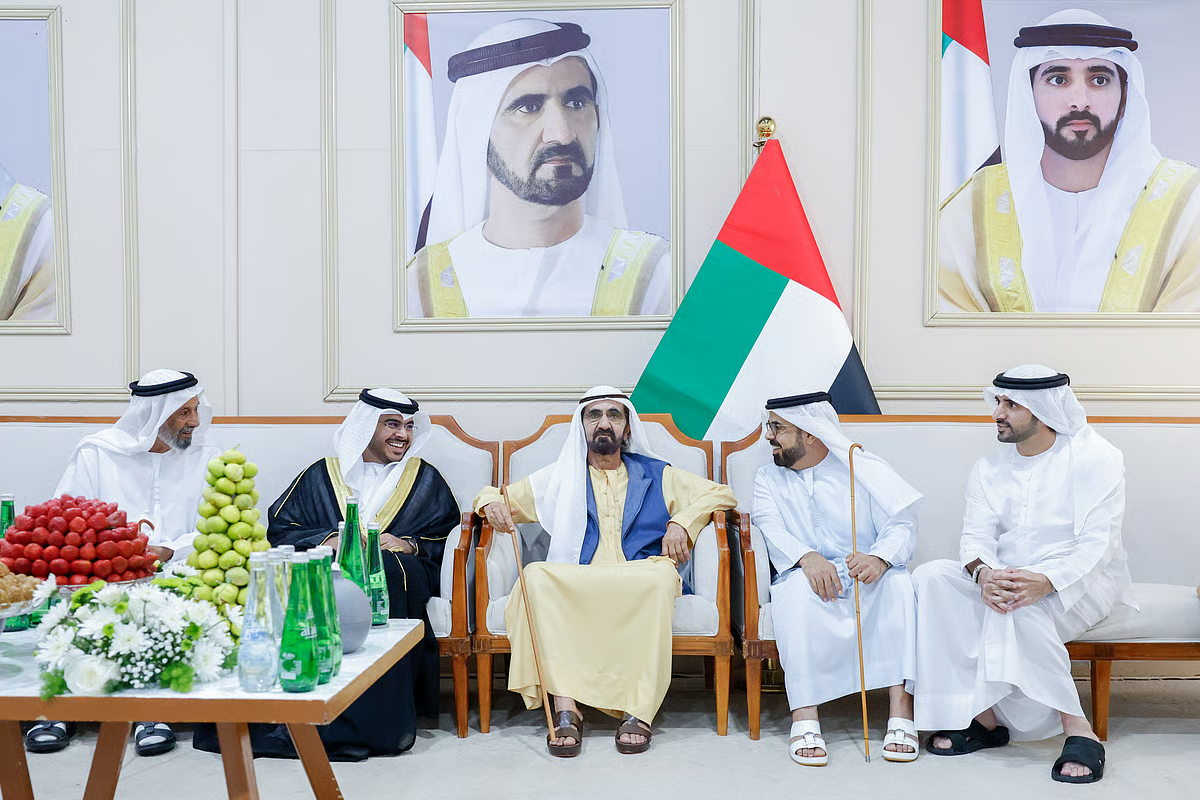

Dubai’s leadership demonstrated a visible presence at a recent social event, highlighting the importance of community engagement. His Highness Sheikh Mohammed bin Rashid Al Maktoum, Vice President and Prime Minister of the UAE and Ruler of Dubai, attended a Dubai wedding reception, alongside his son Sheikh Hamdan bin Mohammed bin Rashid Al Maktoum, Crown Prince of Dubai and key government figure. The event underscores continued traditions within the UAE’s ruling family and their connection to the Emirati people.
The reception took place in Dubai, though the specific location and the identities of the couple were not immediately released by official sources. Sheikh Mohammed’s attendance, confirmed by state news agencies, signals ongoing engagement with local customs and celebrations, a consistent aspect of his public persona. Sheikh Hamdan’s presence further reinforces a strong family dynamic and represents continuity in leadership.
Sheikh Mohammed Attends Dubai Wedding: A Look at Royal Engagement
The attendance of Sheikh Mohammed at a Dubai wedding is not an isolated incident. He and other members of the royal family frequently participate in national events and extend condolences, marking milestones with Emirati citizens. This gesture is considered a cornerstone of their leadership philosophy – maintaining direct contact with and support for the community.
However, details surrounding the event itself have remained largely private, consistent with the cultural norms regarding family celebrations. Official statements focused primarily on the presence of the rulers, rather than specifics of the ceremony or attendees beyond the immediate family. This level of discretion is typical in royal family communications in the UAE.
Significance of Royal Participation in Social Events
Royal participation in events like weddings serves a significant cultural purpose. It is often interpreted as a blessing for the newly married couple and strengthens the bonds between the ruling family and the wider population, fostering national unity. According to political analysts, maintaining these connections is especially crucial for long-term stability.
Additionally, such appearances offer opportunities for informal interactions between the leadership and citizens. While there were no reported specific discussions or announcements made during the reception, these engagements provide spontaneous channels for feedback and allow the rulers to stay informed about the concerns and priorities within the community. This contrasts with more formal governmental meetings, offering a different perspective.
Sheikh Hamdan bin Mohammed’s role as Crown Prince is increasingly visible across Dubai’s rapidly evolving landscape. Beyond ceremonial duties such as attending weddings, he also holds several key ministerial positions, including Minister of Defence, and chairs The Executive Council of Dubai, which oversees the emirate’s policy decisions. This demonstrates his preparation for assuming greater leadership responsibilities in the future.
Dubai’s Cultural Landscape and Traditions
Weddings in Dubai and the broader UAE are elaborate affairs deeply rooted in Islamic and Emirati traditions. Often spanning several days, events involve intricate rituals, traditional music and dance, and a substantial display of hospitality. These celebrations often emphasize family ties and community participation.
In recent years, Dubai has struck a balance between preserving these traditional customs and accommodating modern influences. Many weddings incorporate contemporary elements alongside the established practices, reflecting the emirate’s diversifying society. This cultural integration is a key aspect of Dubai’s identity.
The UAE government has consistently invested in initiatives to promote and preserve national heritage. The Sheikh Mohammed Centre for Cultural Understanding, for instance, plays a vital role in educating visitors and residents about Emirati customs and traditions, fostering a greater appreciation for the country’s rich cultural background. Supporting local events, like weddings, is a natural extension of that commitment.
Meanwhile, Dubai’s economy continues its growth trajectory, fueled by tourism, trade, and a focus on innovation. While economic developments often garner significant attention, the leadership’s consistent appearance at and support of cultural events like this wedding celebration highlights a broader commitment to social cohesion and the preservation of Emirati identity amidst rapid change.
The event also comes against the backdrop of ongoing regional diplomatic efforts spearheaded by the UAE. Relations with several countries have normalized or improved in recent years, contributing to a more stable regional environment. This soft power approach, alongside the showcasing of a vibrant cultural scene, is viewed by some as central to the UAE’s foreign policy strategy. Related to this, UAE culture and traditions are often presented internationally.
In contrast to some global trends where royal families maintain a more distant public profile, the Dubai leadership actively cultivates a visible presence within the community. This approach is believed to enhance trust and maintain popular support.
Looking ahead, further public appearances by Sheikh Mohammed and Sheikh Hamdan are expected, particularly at national celebrations and key social gatherings. The extent to which details of these events are publicized will likely remain consistent with current protocols. The continued blending of tradition and modernity within Dubai’s cultural fabric is also a key area to watch. The government’s ongoing initiatives to support Emirati heritage and promote national identity will likely remain a priority as the nation continues to develop, and the leadership’s presence at events like this Dubai wedding reinforces this trajectory.