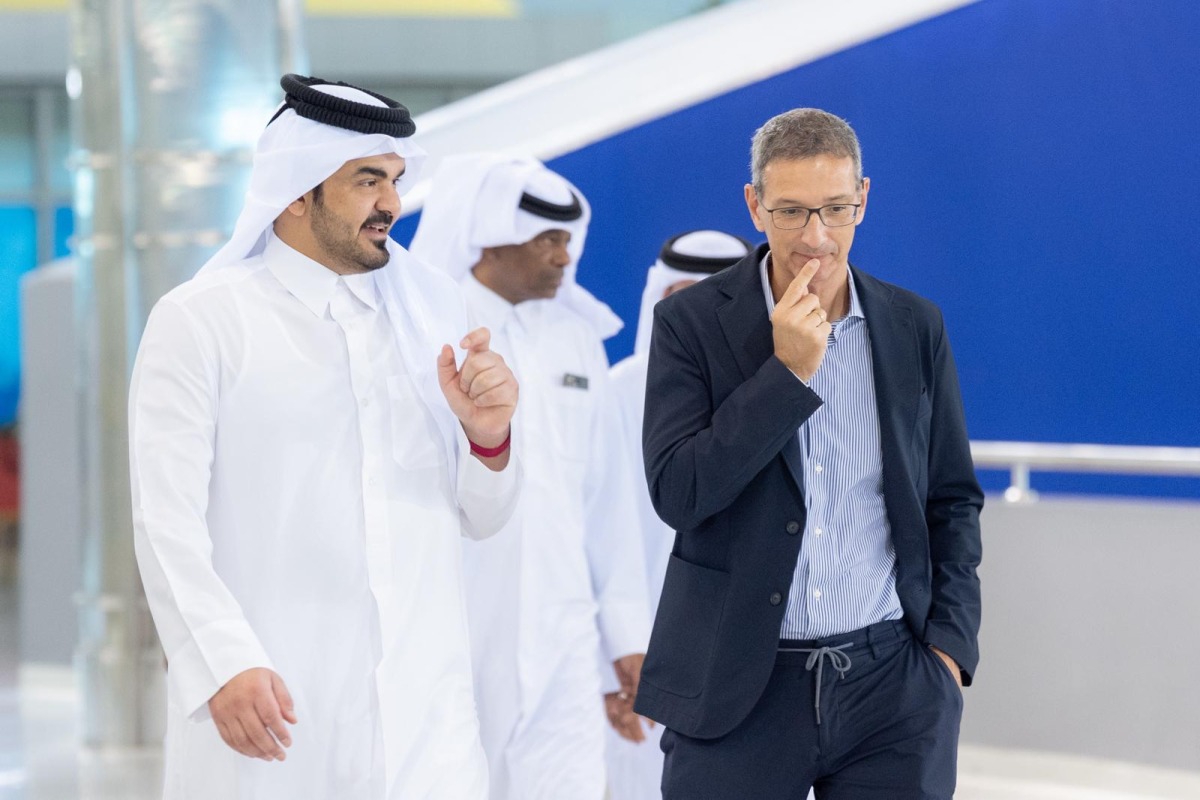

Qatar is investing significantly in its athletic infrastructure with the development of a new Athletics Training Center at Aspire Academy for Sports Excellence. The Qatar Olympic Committee (QOC) President, Sheikh Joaan bin Hamad Al Thani, recently inspected the project’s progress, signaling the nation’s commitment to enhancing its track and field capabilities. The facility aims to provide world-class resources for Qatari athletes and contribute to improved performance on the international stage.
The inspection visit, which took place yesterday, included key figures from Aspire Academy, the Qatar Athletics Federation, and Aspetar Orthopaedic and Sports Medicine Hospital. This collaborative effort underscores a unified approach to developing sports medicine and athletic talent within the country. The project is located at Aspire Academy, a leading sports academy renowned for its advanced training facilities.
Boosting Qatari Athletics with a State-of-the-Art Training Center
The new Athletics Training Center represents a substantial investment in the future of Qatari athletics. According to the QOC, the facility is designed to meet the evolving needs of athletes across various disciplines, including sprinting, jumping, and throwing events. It will provide a dedicated space for training, rehabilitation, and performance analysis.
This initiative comes as Qatar continues to position itself as a hub for international sporting events. The country successfully hosted the FIFA World Cup in 2022, and is actively bidding for future events, including the Summer Olympic Games. Developing a strong domestic athletic program is seen as crucial to maximizing the benefits of hosting such competitions and inspiring a new generation of athletes.
Integrated Approach to Athlete Development
The partnership between Aspire Academy, the Qatar Athletics Federation, and Aspetar is central to the project’s success. Aspire Academy will provide the training expertise and facilities, while the Qatar Athletics Federation will oversee athlete selection and competition planning. Aspetar will offer specialized sports science and medical support to ensure athletes remain healthy and perform at their peak.
This collaborative model is designed to create a comprehensive ecosystem for athlete development. It recognizes the importance of not only physical training but also medical care, injury prevention, and nutritional guidance. Furthermore, the integration of these three institutions will facilitate a seamless transition for athletes throughout their training and competition journeys.
Focus on Long-Term Athletic Excellence
The Athletics Training Center isn’t solely focused on immediate competitive gains. The project emphasizes the development of sustainable athletic programs and the cultivation of a pipeline of young talent. Organizers aim to create an environment where aspiring athletes can access high-quality coaching and resources from a young age.
Additionally, the center will likely contribute to research and innovation in athletic training methodologies. The involvement of Aspetar, a leading orthopedic and sports performance hospital, suggests a commitment to utilizing cutting-edge technology and data analysis to optimize athlete performance and recovery. Investment in similar facilities has previously correlated with improved national athletic results in other sports.
While a specific completion date wasn’t announced during the inspection visit, reports indicate the project is progressing toward its anticipated timeline. Ongoing construction and equipment installation will be key focus areas in the coming months. The exact impact of the center on the performance of Qatari athletes at major international competitions, such as the Olympics and World Championships, remains to be seen, but its potential is considerable.
The QOC and its partners will likely provide further updates on the project’s progress as it nears completion. Stakeholders will be watching to see how the new facility attracts and develops talent, and ultimately contributes to Qatar’s growing presence in the world of athletics. Continued investment in facilities and talent identification programs will be crucial for realizing the full vision behind this initiative.