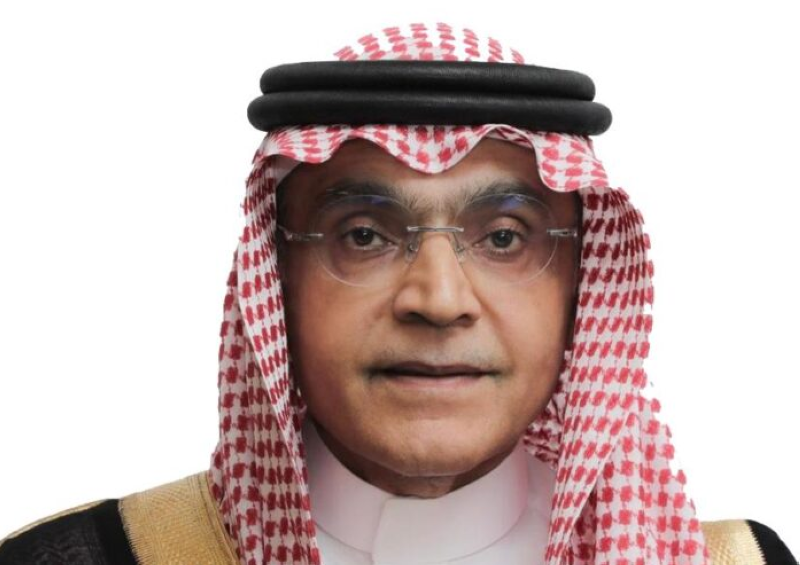

RIYADH – Sheikh Abdullah Saleh Kamel has been elected as the new president of the Federation of Saudi Chambers (FSC), commencing his four-year term from 2026 to 2029. The election, held recently in Riyadh, positions Kamel to lead the organization during a pivotal period of economic transformation in Saudi Arabia. His appointment reflects confidence in his extensive experience within the Saudi Chambers and broader business community.
Kamel currently chairs the Board of Directors of the Makkah Chamber of Commerce and Industry and also serves as President of the Islamic Chamber of Commerce and Development. This election took place as Saudi Arabia continues to aggressively pursue the goals outlined in its Vision 2030 plan, a national strategy focused on diversifying the economy and strengthening the private sector. The FSC plays a crucial role in facilitating these objectives.
Sheikh Kamel’s Leadership of the Saudi Chambers and Vision 2030
The Federation of Saudi Chambers acts as the voice of the private sector in the Kingdom, representing businesses across various industries. Its core functions include advocating for policies that promote economic growth, fostering international trade, and providing support services to its member chambers and businesses. Sheikh Kamel’s election signals a continuation of the FSC’s alignment with the ambitious Vision 2030 program.
Vision 2030 prioritizes reducing Saudi Arabia’s reliance on oil revenue by developing non-oil sectors such as tourism, technology, and manufacturing. A key component of this strategy is empowering small and medium-sized enterprises (SMEs), which are seen as vital engines for job creation and economic diversification. The FSC, under Kamel’s leadership, is expected to further enhance its support for these businesses.
Extensive Business and Philanthropic Background
Sheikh Abdullah Kamel brings a wealth of experience to the role, spanning over three decades in investment, banking, and industrial sectors. He currently holds the chairmanship of Dallah Albaraka Holding Company, a significant player in the Saudi economy. Additionally, he leads Umm Al-Qura Development and Reconstruction Company and Al Baraka Group B.S.C.
Beyond his commercial ventures, Kamel is deeply involved in philanthropic work. He chairs the Board of Trustees of the Saleh Abdullah Kamel Humanitarian Foundation, demonstrating a commitment to social responsibility. This dedication to community development is often cited as a hallmark of his leadership style.
His influence also extends to the media landscape, as he chairs the board of Okaz Organization for Press and Publication. Furthermore, he holds leadership positions within key Islamic financial institutions, including the General Council for Islamic Banks and Financial Institutions and the Islamic Chamber of Commerce, Industry and Agriculture.
Implications for the Saudi Business Environment
Kamel’s prior experience within Dallah Albaraka Holding Company included a progression through various executive roles, culminating in his appointment as Chief Executive Officer. This hands-on operational background is expected to inform his strategic direction for the Federation of Saudi Chambers.
Analysts suggest that Kamel’s established relationships with both domestic and international business leaders will be beneficial as Saudi Arabia seeks to attract foreign investment. The Kingdom is actively courting investors as part of its Vision 2030 initiatives, and the FSC plays a critical role in facilitating these partnerships.
The focus on strengthening the private sector is also expected to drive further reforms aimed at improving the ease of doing business in Saudi Arabia. Recent years have seen significant progress in this area, with the government streamlining regulations and reducing bureaucratic hurdles. The Saudi Chambers will likely continue to advocate for policies that build on this momentum.
The election of Sheikh Kamel also comes at a time of increasing global economic uncertainty. Factors such as geopolitical tensions and rising inflation pose challenges to Saudi Arabia’s economic growth prospects. His experience navigating complex business environments could prove invaluable in mitigating these risks. The Kingdom’s economic outlook, and the role of the private sector, are key areas of focus for investors and policymakers alike.
The development of the Saudi economy is also tied to the growth of regional trade. The FSC is expected to play a key role in fostering stronger economic ties with neighboring countries and beyond. This includes promoting Saudi products and services in international markets and attracting foreign businesses to invest in the Kingdom. The expansion of business opportunities is a central theme of Vision 2030.
Looking Ahead
Sheikh Kamel will officially assume his duties as President of the Federation of Saudi Chambers in January 2026. Prior to that, a transition period will involve outlining key priorities and strategies for the organization’s next four-year term.
The immediate focus will likely be on supporting the implementation of Vision 2030 initiatives and addressing the challenges facing the Saudi private sector. Monitoring the FSC’s progress in these areas, as well as its efforts to attract foreign investment and promote economic development, will be crucial in assessing the overall health of the Saudi economy. The next major event to watch will be the announcement of the FSC’s strategic plan for 2026-2029, expected in the fourth quarter of 2025.