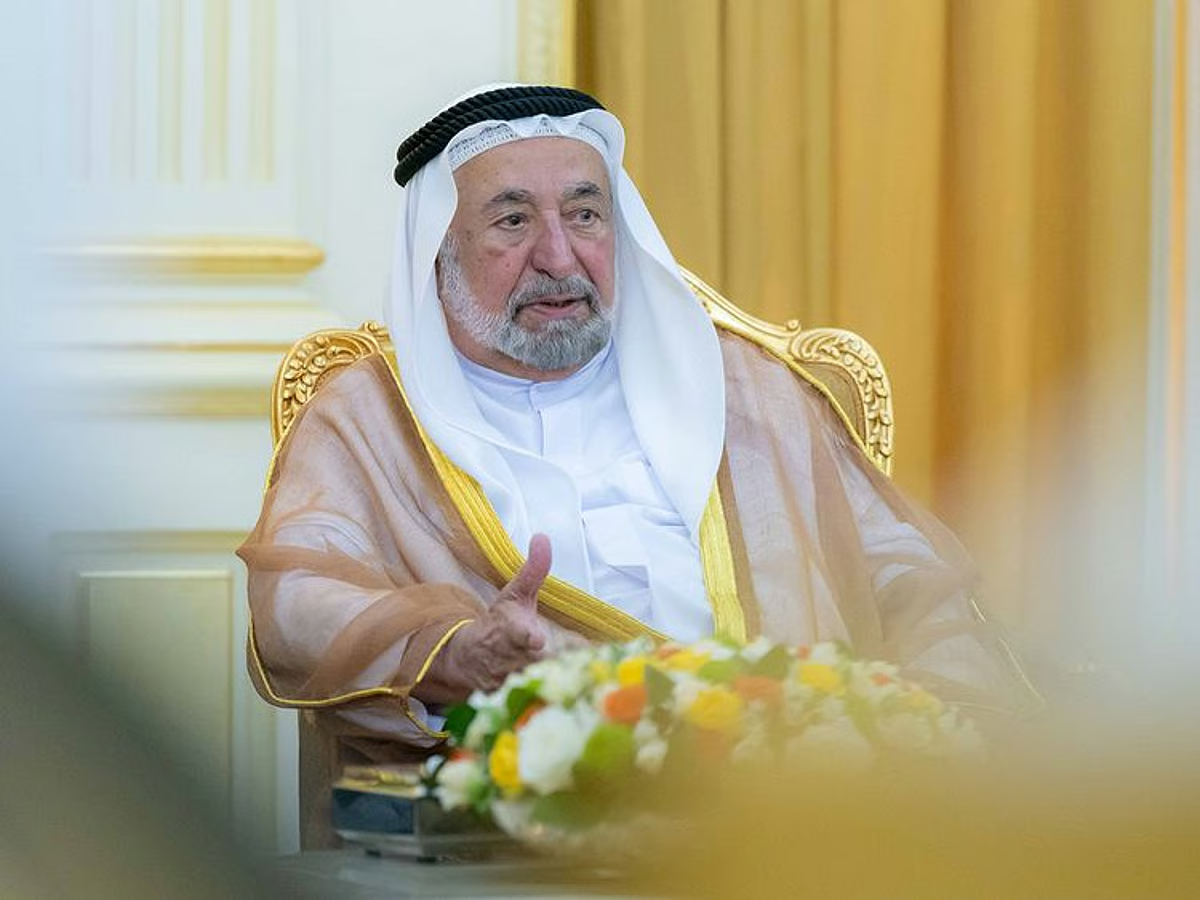

A long-term housing crisis for a divorced mother in Sharjah, UAE, has been swiftly resolved following a public appeal on a local direct line program. His Highness Sheikh Dr Sultan bin Mohammed Al Qasimi, Supreme Council Member and Ruler of Sharjah, ordered the immediate construction of two new homes for the woman and her family, bringing an end to nearly a decade of difficult living conditions. The intervention highlights the UAE’s commitment to social welfare and addressing the needs of vulnerable citizens.
Sharjah Ruler Intervenes in Housing Case
The case centered around Umm Rashid, a divorced woman who has been unemployed since 2015. She explained during a live broadcast that she and her children had been living in a partitioned section of her former husband’s property for almost ten years. Despite owning a plot of land allocated for building, she lacked the financial resources to construct a suitable home.
Umm Rashid detailed the cramped and inadequate living arrangements for her and her children. She and her daughter shared one small room, while her married son, his spouse, and their child occupied another. Her second son was forced to sleep in the family’s majlis, a traditional guest room, due to the lack of available space. This situation created significant challenges regarding privacy and overall quality of life.
Addressing Housing Challenges in the UAE
While the UAE is known for its rapid development and modern infrastructure, access to affordable housing remains a challenge for some segments of the population, particularly those facing economic hardship or family law issues. The government has implemented various initiatives to address this, including subsidized housing programs and land grants, but demand often exceeds supply. According to reports from the Sharjah Municipality, the emirate has been actively working to increase housing options for citizens in recent years.
The intervention in Umm Rashid’s case is not an isolated incident. Sheikh Dr Sultan bin Mohammed Al Qasimi has a history of personally addressing the concerns of residents through direct communication channels. This approach is seen as a key component of his governance style, fostering a sense of accessibility and responsiveness.
The directive issued by the Ruler goes beyond simply providing one dwelling. It specifically mandates the construction of two separate houses. One will be for Umm Rashid and her unmarried daughter, offering them independence and privacy. The other will be for her married son and his immediate family, ensuring they also have a stable and adequate living situation. The order emphasized the urgent need for the project’s completion.
The swiftness of the response was particularly notable. The announcement of the directive came during the live broadcast, before Umm Rashid had fully finished explaining her circumstances. This immediate action visibly moved Umm Rashid, who expressed profound gratitude and offered prayers of thanks on air.
This case underscores the importance of social safety nets and government intervention in addressing individual hardships. The UAE’s constitution prioritizes the well-being of its citizens, and this commitment is often demonstrated through initiatives like the one undertaken in Sharjah. Additionally, the use of direct communication channels allows leaders to identify and respond to critical needs in a timely manner.
The Sharjah government has not yet released a specific timeline for the completion of the two houses. However, given the Ruler’s emphasis on urgency, it is anticipated that construction will begin promptly. Local construction companies are likely to be involved, and the project will be overseen by relevant government departments. The focus will be on delivering high-quality, sustainable homes that meet the family’s needs.
The resolution of this housing situation provides a significant measure of relief for Umm Rashid and her family. It also serves as a powerful example of the UAE’s dedication to supporting its citizens and ensuring a decent standard of living for all. The long-term impact of this intervention will be monitored, and it may inform future policies aimed at addressing similar challenges within the emirate. Further details regarding the project’s implementation and completion date are expected to be announced by the Sharjah government in the coming weeks.
Looking ahead, the success of this intervention will likely encourage other individuals facing similar difficulties to seek assistance through available channels. The government may also consider expanding existing housing programs or developing new initiatives to proactively address the needs of vulnerable families. The ongoing development of affordable housing options remains a key priority for the UAE, and this case highlights the importance of continued efforts in this area.