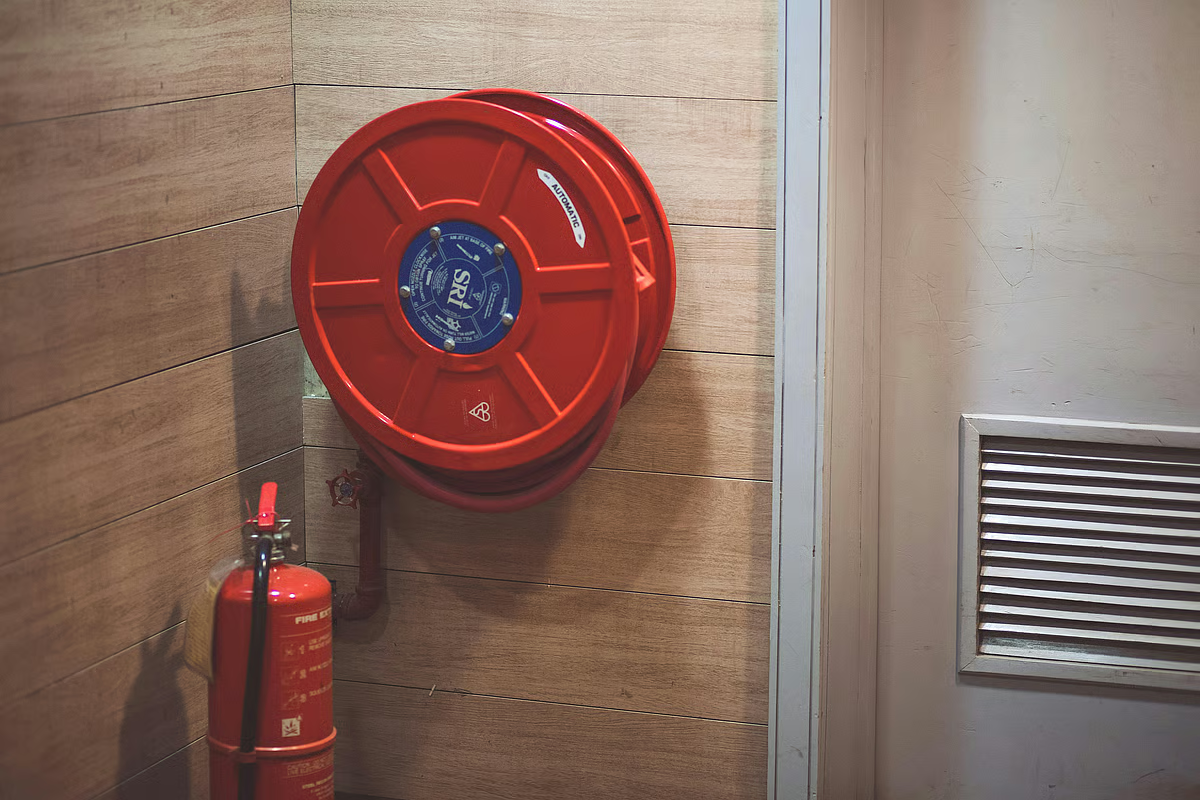

Sharjah residents and businesses are being urged to prioritize fire extinguisher maintenance as the Sharjah Civil Defence Authority intensifies enforcement of safety regulations. The increased scrutiny aims to reduce risks associated with malfunctioning or neglected fire safety equipment, potentially preventing loss of life and property damage. This public awareness drive focuses on ensuring all buildings across the emirate adhere to stringent fire safety standards.
The initiative comes as the authority actively enforces Violation Clause 13, which specifically addresses inadequate fire safety provisions. According to officials, a properly maintained fire extinguisher is a crucial first line of defense in an emergency, and a failure to comply with regulations can result in significant penalties. The move underscores a commitment to proactive fire prevention throughout Sharjah.
The Importance of Fire Extinguisher Maintenance
Regular maintenance of fire extinguishers isn’t simply a best practice; it’s a legal requirement in Sharjah. The Sharjah Civil Defence Authority emphasizes that neglecting this responsibility puts lives and assets at risk. A malfunctioning extinguisher can fail to operate when needed most, turning a manageable incident into a catastrophic event.
Property owners and managers face financial penalties for non-compliance, ranging from Dh500 to Dh1,500 under Executive Council Resolution No. 10 of 2020. These fines are intended to incentivize consistent upkeep of all fire safety equipment and ensure a state of constant readiness across the emirate. Additionally, consistent inspections can identify potential hazards before they escalate.
Identifying an Unfit Fire Extinguisher
Civil Defence officials have outlined several key indicators that an extinguisher may be unfit for use. These include visual cues and operational checks that building owners and managers should regularly perform.
These indicators include a pressure gauge needle not within the green “charged” zone, indicating insufficient pressure to operate effectively. Visible signs of damage, such as rust, corrosion, or dents on the cylinder, also suggest the extinguisher may be compromised. Blocked nozzles or cracked, brittle hoses can similarly hinder functionality.
Furthermore, an extinguisher is considered unfit if its annual service is expired or if it hasn’t undergone a five-year hydrostatic test, which verifies the cylinder’s integrity. Missing safety pins, tamper seals, or operating levers also render the device unusable. Regular fire safety inspections are vital to identify these issues.
Approved Servicing and Emergency Procedures
The Sharjah Civil Defence Authority stresses that all fire safety equipment, including extinguishers, must be serviced by contractors officially approved by the authority. This ensures that maintenance is performed to the required standards and that any repairs are carried out by qualified professionals. Using unapproved contractors could invalidate insurance claims or lead to further safety risks.
In the event of a fire, the public is reminded to immediately contact the emergency services on 997. Prompt reporting allows for a rapid response from trained firefighters and minimizes potential damage. Knowing the emergency number and having a clear evacuation plan are essential components of overall emergency preparedness.
Meanwhile, the authority continues to conduct unannounced inspections of residential and commercial buildings to verify compliance with fire safety regulations. These inspections are part of a broader effort to enhance public safety and reduce the incidence of fire-related incidents.
Looking ahead, the Sharjah Civil Defence Authority is expected to continue its public awareness campaigns and enforcement efforts. Future initiatives may include expanded training programs for building staff and increased collaboration with property management companies. The long-term goal is to foster a culture of proactive fire safety throughout the emirate, reducing risks and protecting both lives and property. The effectiveness of these measures will be monitored through ongoing data analysis of fire incidents and compliance rates.