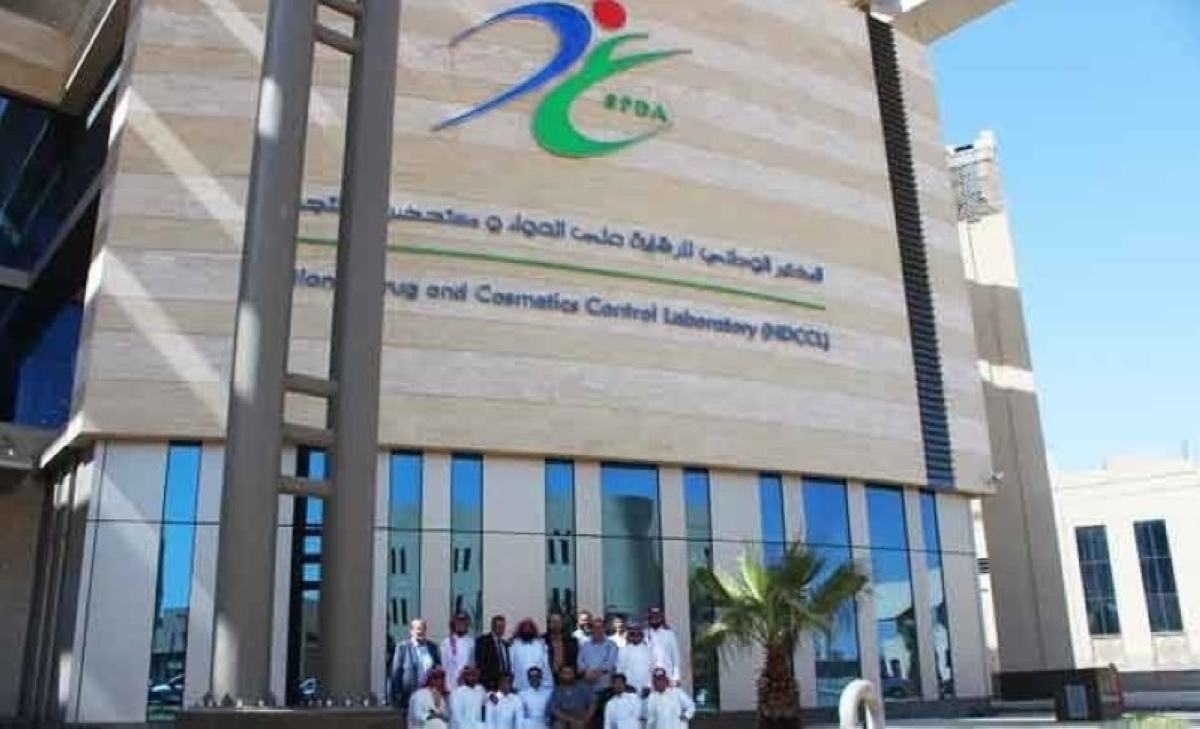

Saudi Arabia is rapidly emerging as a hub for medical innovation, with the Saudi Food and Drug Authority (SFDA) reporting an 83% increase in clinical trial applications for advanced therapies and biotechnology products in 2025 compared to the previous year. This surge in applications, coupled with a 39% rise in early-stage trials, signals a significant commitment to bolstering healthcare research within the Kingdom. The SFDA announced these figures on Wednesday, highlighting the positive impact on patient access to cutting-edge treatments.
The growth in clinical trial activity is centered in Riyadh, where the SFDA is based, and extends to research centers across the country. Approximately 2,700 patients have already benefited from participation in these trials, receiving access to innovative treatments for a range of conditions. This increase reflects broader national strategies to improve healthcare outcomes and diversify the Saudi economy.
Accelerating Clinical Trials in Saudi Arabia
The substantial increase in clinical trial applications is largely attributed to the SFDA’s “Reliance Pathway for Clinical Trials” initiative. This pathway streamlines the approval process, resulting in a 74% reduction in study approval times compared to traditional methods, according to the SFDA. This efficiency is crucial for attracting international pharmaceutical companies and research institutions.
The SFDA’s efforts to expedite approvals are part of a larger push to position Saudi Arabia as a competitive destination for global research. Historically, conducting clinical research in the Middle East presented regulatory hurdles and longer timelines. However, the SFDA is actively working to overcome these challenges and create a more predictable and efficient environment for sponsors.
Impact of the Reliance Pathway
The Reliance Pathway allows the SFDA to leverage approvals from established regulatory bodies, such as the U.S. Food and Drug Administration (FDA) and the European Medicines Agency (EMA). This reduces duplication of effort and accelerates the availability of potentially life-saving therapies to Saudi patients. The pathway focuses on ensuring that trials conducted in Saudi Arabia adhere to internationally recognized standards of quality and safety.
Additionally, the SFDA is collaborating with both public and private sector partners to develop a comprehensive research ecosystem. This includes investments in infrastructure, training programs for researchers, and initiatives to promote local biotechnology development. These partnerships are designed to foster innovation and attract foreign investment in the healthcare sector.
The growth in early-stage clinical trials is particularly noteworthy. These trials, often focused on first-in-human studies, are essential for evaluating the safety and efficacy of novel therapies. An increase in early-stage trials suggests that Saudi Arabia is becoming a preferred location for the initial testing of groundbreaking medical advancements.
The focus on advanced therapies and biotechnology aligns with Saudi Vision 2030, a national plan aimed at diversifying the economy and improving the quality of life for citizens. Healthcare is identified as a key pillar of this vision, with a strong emphasis on innovation and the development of a world-class healthcare system. Investment in these areas is expected to create new jobs and stimulate economic growth.
The SFDA’s initiatives are also expected to enhance the Kingdom’s capabilities in areas like genomics and personalized medicine. These fields rely heavily on clinical research to identify biomarkers and develop targeted therapies. The increased availability of clinical trial data will contribute to a better understanding of disease mechanisms and treatment responses within the Saudi population.
The benefits extend beyond direct patient access. The presence of international biotechnology companies conducting trials in Saudi Arabia facilitates the transfer of knowledge and technology to local researchers and institutions. This can lead to the development of a more robust domestic pharmaceutical industry. The SFDA is actively promoting collaborations between international sponsors and Saudi research organizations.
While the SFDA has made significant progress, challenges remain. Maintaining a high level of regulatory oversight while accelerating approval times requires ongoing investment in resources and expertise. Furthermore, ensuring adequate patient recruitment and retention for clinical trials is crucial for their success. The SFDA is working to address these challenges through targeted training programs and improved communication with healthcare providers.
Looking ahead, the SFDA plans to continue refining the Reliance Pathway and expanding its collaborations with international regulatory agencies. The authority is also exploring the implementation of new technologies, such as artificial intelligence, to further streamline the clinical trial process. The next phase will likely involve a detailed evaluation of the impact of the 2025 initiatives on patient outcomes and economic growth, with a report expected by early 2026. Continued monitoring of application numbers and approval timelines will be essential to assess the long-term success of these efforts.
The increasing investment in biopharmaceutical research and development, alongside the streamlined regulatory processes, positions Saudi Arabia for continued growth in this vital sector. The SFDA’s commitment to innovation is expected to attract further investment and establish the Kingdom as a leading destination for clinical research in the region.