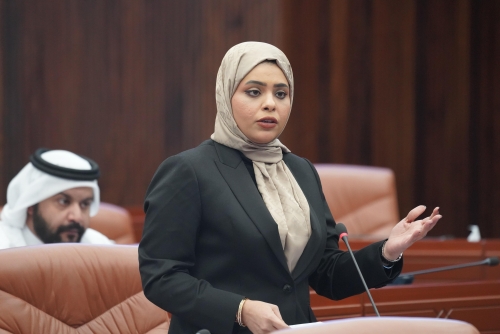

Bahrain is poised to potentially increase maternity leave benefits for women working in the public sector, a move that has sparked debate amongst lawmakers, government bodies, and women’s rights advocates. A proposal to extend the current 60-day paid allowance to 70 days will be discussed in Parliament this Tuesday, aligning Bahrain’s policies more closely with those of neighboring countries like Saudi Arabia and Egypt. This change aims to support working mothers and balance family responsibilities with career demands, a topic gaining increasing attention across the region.
Proposal for Extended Maternity Leave Gains Momentum
The push for longer maternity leave originates from a recommendation put forward by four Members of Parliament: Hanan Fardan, Jaleela Alawi, Basema Mubarak, and Maryam Al Saegh. This recommendation has received the backing of Parliament’s Legislative and Legal Affairs Committee, which has advised the chamber to formally request the government to increase the paid leave period for civil servants following childbirth.
The current regulations provide 60 days of fully paid leave, including allowances, to women employed by the government. This leave can begin up to 15 days before the expected due date, based on a valid medical certificate. Upon returning to work, Bahraini mothers are also entitled to two paid nursing hours daily for up to two years, scheduled to accommodate workplace needs. Furthermore, they can request unpaid childcare leave for children under six, for a maximum of two years at a time, and up to three times throughout their service.
Arguments in Favor of the Change: Supporting Mothers and Aligning with Regional Standards
Supporters of the extension believe that providing more time off after childbirth will significantly benefit working mothers and their newborns. They argue that it will allow for better bonding and recovery, contributing to the overall well-being of families. The proposal also seeks to harmonize Bahrain’s labor laws with those of its regional counterparts.
Specifically, Saudi Arabia grants working women ten weeks of fully paid maternity benefits, starting up to four weeks before delivery. Egypt offers a more generous 90 days of paid leave, covering both pre and post-natal periods with a medical certificate. MP Hanan Fardan emphasized the importance of reviewing the 60-day limit in light of these practices, citing Article 5(b) of the Constitution, which champions a balance between women’s family duties, their societal roles, and equal rights.
Concerns Raised: Budgetary Impact and Potential Workforce Shifts
While the proposal has strong support, it isn’t without its critics. Parliament’s Financial and Economic Affairs Committee has expressed concerns about the potential indirect effects on the state budget. Although they acknowledge no direct financial impact, they foresee possible influences on work productivity and a widening gap in benefits between the public and private sectors.
The committee’s report highlights the possibility that more generous leave terms in the public sector could attract female workers away from private employment. This could lead to imbalances in the labor market and potentially strain the private sector. Their economic advisor further elaborated on these potential market disruptions.
Government and Advocacy Group Responses
The Civil Service Bureau (CSB) has adopted a cautious stance. In a written response, the CSB acknowledged the existing framework designed to balance work and family life, pointing to the Civil Service Law of 2010 and subsequent implementing regulations. They argue that increasing maternity leave to 70 days would likely increase costs, especially considering that women comprise 57.5% of the civil service workforce. The Bureau also raised practical concerns about covering the workload during extended absences, potentially requiring additional staff or redistribution of tasks.
However, the Bahraini Women’s Union has welcomed the recommendation. The Union stated that longer maternity leave is crucial for supporting mothers during the initial months after childbirth, enabling them to provide optimal care for their newborns. They believe this is a necessary step towards strengthening family support systems in Bahrain.
Constitutional Considerations and Existing Legislation
The Supreme Council for Women clarified that implementing the proposed changes would require amending existing legislation, falling under the government’s purview and necessitating a formal legislative process.
Currently, Article 20 of the Civil Service Law outlines general leave guidelines. Articles 28 to 33 detail specific leave types, including provisions for maternity leave and paid nursing hours, as confirmed by Clause 12 of Article 31. Article 32 grants mothers the option of unpaid childcare leave for children under six, within the permitted timeframe. Prior to this debate, Parliament had already agreed to a separate recommendation from MP Dr. Ali Al Nuaimi, also focused on expanding maternity leave provisions under different considerations.
The Path Forward
The debate on extending maternity leave is expected to be lively and comprehensive. Legislators will weigh the benefits of supporting working mothers against potential economic challenges and workforce shifts. Ultimately, the decision rests with Parliament, who will determine whether to further press the government to amend the law and formally recognize a 70-day paid maternity leave period for women in the public sector. The outcome of this discussion will undoubtedly shape the future of family-friendly employment policies in Bahrain and set a precedent for potential changes in the private sector as well.