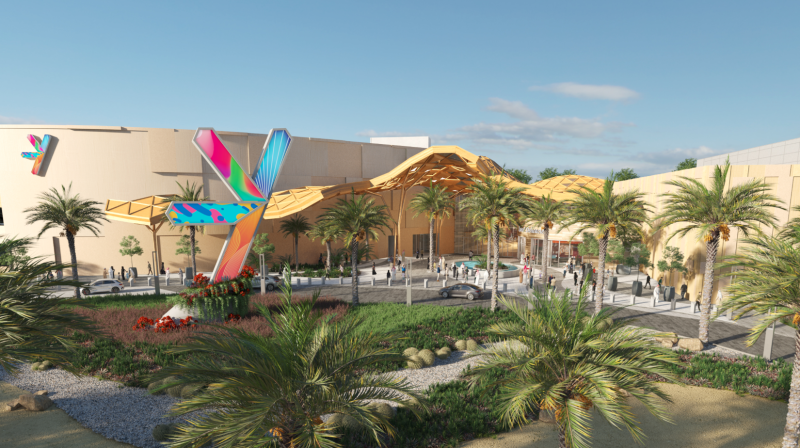

Saudi Entertainment Ventures (SEVEN) has revised its ambitious expansion plans, reducing the number of planned entertainment zones to 14 across Saudi Arabia, according to recent announcements. The company originally intended to launch 21 zones in 14 cities by 2028. This adjustment signals a strategic shift as SEVEN focuses on delivering high-impact destinations in key regions.
The revised strategy prioritizes five major entertainment complexes slated for completion by 2026. These locations will be in Riyadh, Tabuk, Yanbu, Madinah, and Abha, aiming to serve a broad demographic within the Kingdom. The altered plans reflect a focus on optimizing investment and ensuring the successful launch of fewer, but more substantial, developments.
SEVEN Scales Back Entertainment Zone Development in Saudi Arabia
The scaling back of SEVEN’s initial plan represents a recalibration of its strategy in the rapidly evolving Saudi entertainment landscape. The initial SR50 billion investment targeted over 150 attractions across the country. This announcement doesn’t necessarily indicate a reduction in overall spending, but rather a more concentrated approach.
Shift in Focus: Integrated Entertainment
SEVEN aims to create integrated entertainment destinations, offering a diverse range of experiences under a single roof. This concept includes not only attractions but also varied dining options, designed to cater to both local residents and tourists. The company believes this approach will maximize appeal and drive foot traffic.
The rationale behind the shift isn’t explicitly stated, however, industry analysts suggest several contributing factors. These include potential supply chain disruptions, the complexities of operating in multiple locations simultaneously, and the need to refine the business model based on initial market data. Additionally, the Kingdom’s broader economic planning may be influencing project timelines.
Despite the reduction in the overall number of zones, SEVEN continues to pursue significant global partnerships. Agreements are already in place with prominent firms like Warner Bros. Discovery, Mattel (for the Hot Wheels brand), and Hasbro (featuring Transformers and Play-Doh). These alliances demonstrate the company’s commitment to bringing internationally recognized brands to Saudi Arabia.
Impact on Planned Locations
While the initial plans included 14 cities, the revised strategy consolidates development. The five initial destinations – Riyadh, Tabuk, Yanbu, Madinah and Abha – will be prioritized for launch by 2026. The remaining nine cities originally identified for zones are likely to be included in future phases, although specific timelines remain unclear.
The company’s website now outlines 19 entertainment zones distributed across 13 cities, suggesting some consolidation or modifications within the original regional distribution. The locations were strategically chosen to maximize accessibility for the majority of the Saudi population, offering leisure options beyond the major metropolitan areas.
This move comes as Saudi Arabia invests heavily in its tourism and entertainment sectors as part of its Vision 2030 plan. The initiative seeks to diversify the nation’s economy away from oil and establish it as a global hub for leisure and cultural experiences. The country has seen a surge in new tourism projects, increasing demand for supporting infrastructure.
SEVEN is not the only player involved in this transformation, with other companies like Red Sea Global and Diriyah Gate Authority also undertaking large-scale leisure developments. This increased competition could be a factor in SEVEN’s strategic adjustments. The evolving landscape requires adaptability and a keen understanding of consumer preferences.
The development of these leisure destinations is expected to create numerous employment opportunities within the Kingdom. The sector is increasingly attracting both Saudi nationals and expatriate workers. These roles range from operational staff to management positions, contributing to the overall economic growth.
The reduction in planned zones also impacts broader construction and related industries. However, it’s unlikely to significantly curtail overall activity, given the sheer scale of other projects underway in Saudi Arabia. The construction sector remains a vital component of the Vision 2030 implementation.
Looking ahead, SEVEN is expected to provide more detailed updates on the specific attractions and features within each of the five initial entertainment complexes. The company’s progress will be closely monitored by industry observers and potential investors. The successful execution of these projects will be crucial in demonstrating the viability of SEVEN’s integrated entertainment concept and the broader potential of the Saudi entertainment market.
The timing of future phases and the inclusion of the remaining cities on the original list are currently uncertain. Factors influencing these decisions will include market performance, investor confidence, and alignment with the Kingdom’s evolving regulatory framework. Continued observation of SEVEN’s announcements and broader Saudi economic trends will be key to understanding the future direction of this significant project.