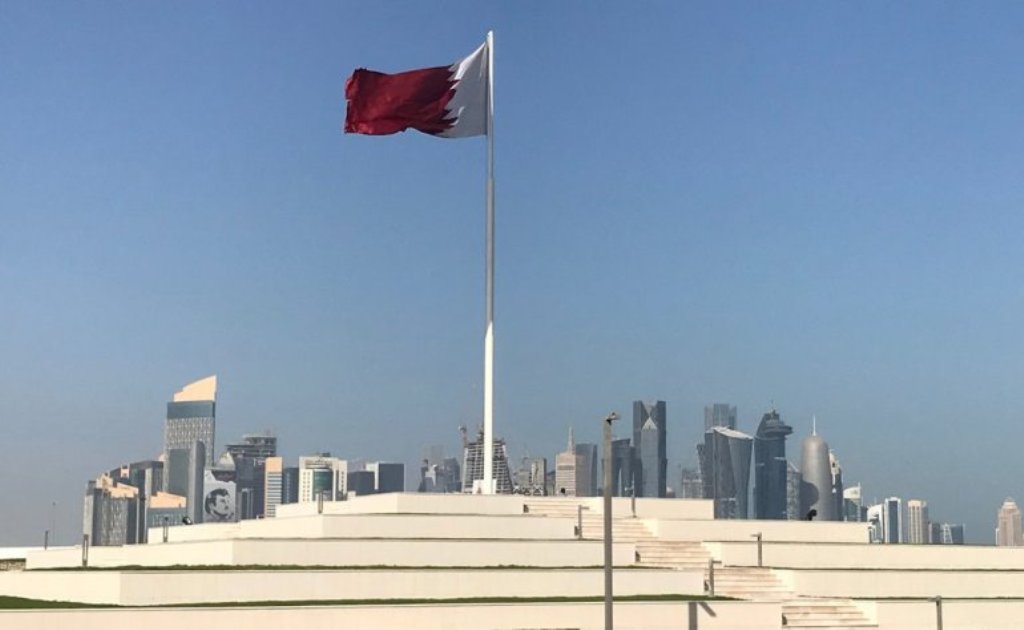

New York – Five European members of the United Nations Security Council – Denmark, France, Greece, Slovenia, and the United Kingdom – have publicly commended the ongoing diplomatic efforts to secure a lasting ceasefire in the Gaza Strip. Their statement, delivered Tuesday before a Security Council session, specifically recognized the work of Qatar, Egypt, the United States, and Turkiye in mediating the conflict and advancing a proposed 20-point plan. The nations emphasized the urgent need for full implementation of Security Council Resolution 2803 and unimpeded humanitarian access to Gaza.
The joint statement, read by the UK’s Deputy Permanent Representative James Kariuki, comes amid continued volatility in the region and international pressure to alleviate the humanitarian crisis in Gaza. It signals a unified European position supporting de-escalation and a return to negotiations toward a long-term resolution of the Israeli-Palestinian conflict. The call for adherence to international humanitarian law underscores the severity of the situation and the need to protect civilians.
Progress Towards a Gaza Ceasefire and the Two-State Solution
The European nations welcomed what they described as significant progress in recent months toward ending the violence and securing the release of hostages held in Gaza. This progress, however, remains fragile and contingent on the sustained commitment of all parties involved. According to the statement, a key objective is to facilitate a transition towards a more stable future for both Israelis and Palestinians.
Central to this vision is the reaffirmation of support for a two-state solution, with Gaza unified with the West Bank, including East Jerusalem, under the authority of the Palestinian Authority. The statement stressed the importance of a defined timeframe for achieving a just and comprehensive peace agreement, a point of contention in past negotiations.
Concerns Regarding the West Bank
The European countries also expressed deep concern over escalating tensions and violence in the West Bank and East Jerusalem. They specifically highlighted Security Council Resolution 2334, which condemns Israeli settlement activity, and noted that continued violations of this resolution are contributing to regional instability.
The statement strongly condemned the increasing frequency of settler violence against Palestinians, reporting over 260 attacks in October alone, making 2025 the most violent year on record. This violence, they argued, not only terrorizes Palestinian communities but also actively undermines efforts to build trust and create a conducive environment for peace talks.
Additionally, the nations urged Israel to protect Palestinian civilians in the occupied territories and to uphold the existing status quo at holy sites in Jerusalem, areas frequently at the center of religious and political disputes.
Economic and Legal Concerns
The statement raised concerns about actions that could further destabilize the Palestinian Authority and the West Bank economy. Specifically, the European nations voiced opposition to annexation and settlement expansion, citing examples such as funding allocations, evictions in Silwan, and land registration plans in Area C. These actions, they believe, jeopardize the viability of a future Palestinian state.
Furthermore, the countries expressed concern over recent instances of Israeli authorities entering UNRWA headquarters in East Jerusalem without permission. They emphasized that UN facilities are protected under international law and that any violation of this principle is unacceptable. The potential withholding of Palestinian tax revenues and the imposition of banking restrictions were also flagged as measures that could lead to economic collapse in the West Bank and a financial crisis for the Palestinian Authority, exacerbating the already dire humanitarian situation. The situation is a key element of the broader Israeli-Palestinian conflict.
The statement also touched upon the importance of humanitarian aid, calling for rapid, wide-ranging, and unrestricted access for organizations like the United Nations, the International Committee of the Red Cross, and partner NGOs to deliver essential supplies to civilians throughout Gaza.
Looking ahead, the Security Council is expected to continue its deliberations on the situation in Gaza and the broader Israeli-Palestinian conflict. The success of the current diplomatic efforts hinges on the willingness of all parties to fully implement Resolution 2803 and engage constructively in negotiations towards a lasting peace. The coming weeks will be critical in determining whether the momentum towards a ceasefire can be sustained and whether a pathway to a two-state solution can be reopened, though significant obstacles remain.
Learn more about the UN Security Council.
U.S. Department of State – Israel and Palestine.
European Parliament – Israel-Palestine.