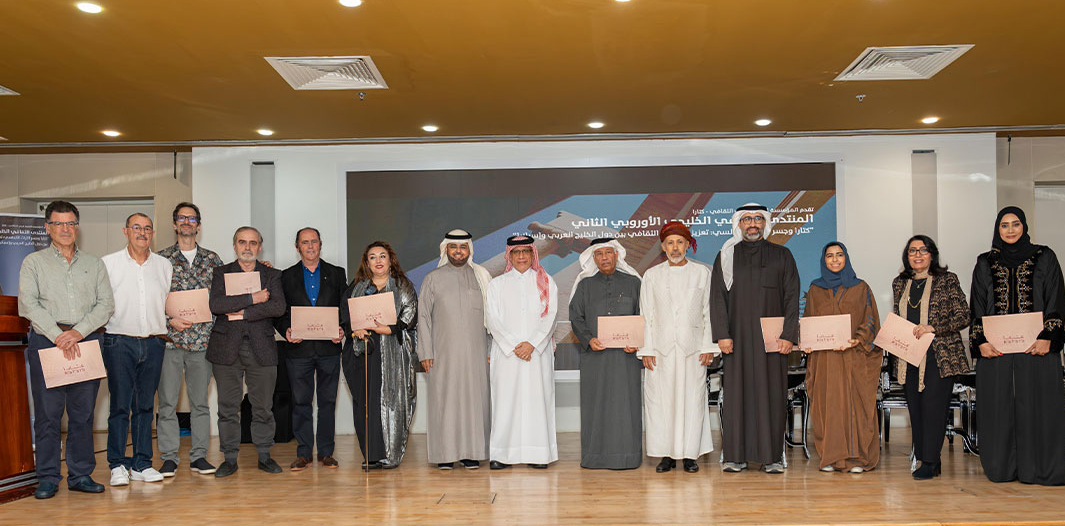

Doha, Qatar – The second Gulf-European Cultural Forum kicked off yesterday at the Katara Cultural Village Foundation, focusing on the historical and ongoing significance of Andalusian heritage as a bridge for cultural exchange between Gulf Arab states and Spain. The two-day event brings together scholars, poets, and creatives to discuss and celebrate the shared intellectual and artistic roots connecting these regions. This year’s forum builds on the success of its inaugural gathering in Granada, Spain, aiming to foster deeper understanding between cultures.
The forum’s opening ceremony was attended by numerous cultural leaders and academics, highlighting the importance of this platform for cross-cultural dialogue. Organized by Katara, the event underscores the organization’s commitment to promoting international cooperation through art and heritage. Attendees included representatives from various universities and cultural institutions across the Gulf and Spain.
Strengthening Gulf-European Ties Through Cultural Understanding
Katara’s role in hosting the Gulf-European Cultural Forum emphasizes its dedication to solidifying cultural connections and revisiting shared civilizational values. The choice of Andalusian heritage as a central theme is significant, given its historical importance as a period of intellectual flourishing and exchange between the Arab world and Europe. Experts say this era left a lasting impact on diverse fields, including philosophy, science, and the arts.
This year’s forum features presentations and discussions from 25 researchers and creative professionals. According to Dr. Mohammed bin Abdullah Boudi, General Coordinator of the Forum, these gatherings serve as vital channels for knowledge and understanding, strengthening both personal and professional relationships. The aim is to build upon existing intellectual partnerships and explore new avenues for collaboration.
First Day Highlights: Seminar and Poetry
The first day of the forum centered around an intellectual seminar exploring various facets of cultural communication and the legacy of Andalusia. Presentations from academics like Dr. Safaa Al Alawi and Dr. Jaime Ratia examined the historical context and contemporary relevance of this cultural exchange. The discussion focused on how Andalusian influences continue to shape artistic and intellectual landscapes today.
Attendees were also treated to a poetry evening, showcasing the work of both Arab and Spanish poets. Performance poets Trinio Cruz and Shumaisa Al Nuaimani, alongside others, contributed to a vibrant exchange of artistic expression. Musician Jose Agudo accompanied the poets, further enriching the performance with musical interpretations of the poetic themes.
Looking Ahead: Book Signings and Continued Dialogue
The second day of the forum promises further engagement with the themes of cultural heritage and intellectual cooperation. A book-signing event will feature several participating authors, including Dr. Rashid Al Najm and Salma Boudi, offering attendees a chance to connect with their work. This will be followed by a second intellectual seminar, with a new set of experts contributing to the conversation about cultural relations.
The forum organizers hope the event will catalyze ongoing research and collaboration. A second poetry evening, featuring a different lineup of artists accompanied by musician Jose Agudo, will conclude the proceedings. The continued emphasis on poetic exchange highlights the power of art in bridging cultural divides and fostering a sense of shared humanity.
Following the forum, organizers are expected to release a summary report outlining key discussions and recommendations. The future possibility of a rotating forum location – potentially moving to a Gulf state in subsequent years – remains under consideration. The long-term effects of these dialogues on artistic collaborations and academic research will be important to monitor in the coming months.
As regional and global dynamics shift, initiatives like the Gulf-European cultural exchange forum are increasingly important for fostering mutual respect and understanding. Katara Cultural Village continues to play a leading role in these efforts, providing a platform for dialogue and promoting a shared appreciation of cultural heritage.