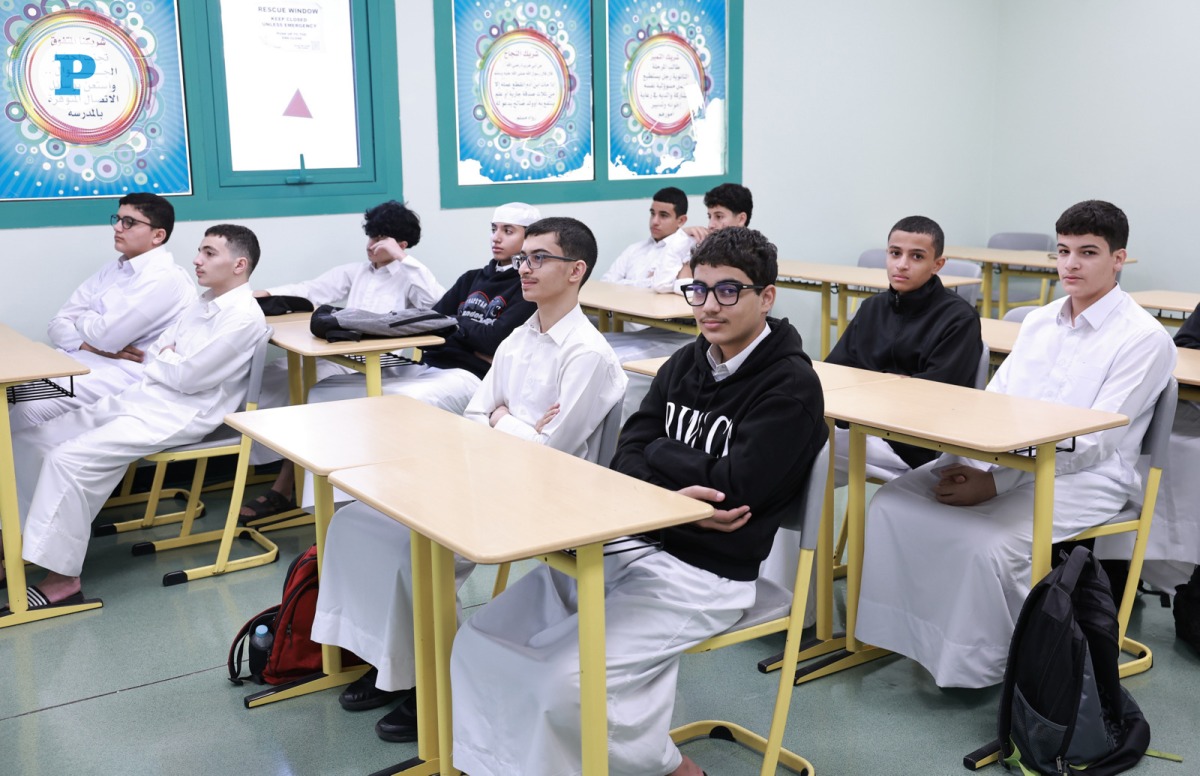

Schools across Qatar are finalizing preparations for the start of the second academic semester tomorrow, January 17th. Educational institutions are focused on ensuring a smooth transition for students returning from the mid-year break, with efforts concentrated on logistical readiness and student well-being. This semester’s success is particularly important as schools aim to maintain academic momentum throughout a longer period of instruction.
The return to school affects students across all grade levels and educational stages in the country, from primary to secondary. Principals and educational consultants are emphasizing the importance of collaboration between schools and families to support students during this readjustment period. The Ministry of Education and Higher Education has not issued specific directives beyond typical start-of-semester guidelines, allowing schools flexibility in their approaches.
Qatar Schools Ready for Second Semester Return
Nasser bin Abdullah Al Attiyah Secondary School, like many others, has confirmed the completion of essential organizational tasks. Principal Khaled Issa Al-Muhaiza recently stated on Qatar TV that textbooks are available and academic schedules are set. Schools are also proactively communicating with parents via official channels to ensure they are informed about the upcoming semester.
However, preparations extend beyond simply providing materials. Al-Muhaiza highlighted the priority given to teachers’ professional and psychological readiness. This focus aims to foster a positive learning environment where educators can effectively engage students and assist them in adapting to the new term’s demands.
Supporting Student Readjustment
The second semester often presents students with a more sustained period of academic focus after the break. Educational consultant Rashid Al-Awda Al-Fadhli stresses the significant role parents play in facilitating a successful return. He encourages parents to initiate constructive conversations with their children about school, offering reassurance and emotional support from the first day back.
Al-Fadhli advises a measured approach to social activities during the initial readjustment week. Reducing outside commitments can allow students to prioritize re-establishing healthy routines and focusing on academic responsibilities. Additionally, parents of younger students are encouraged to provide direct support, such as accompanying them to and from school, particularly in the first few days.
Maintaining student health is also a key consideration. Adequate sleep and proper nutrition are crucial for students to perform optimally, especially as they adjust back to a more structured schedule. These factors contribute directly to a student’s academic performance and overall education in Qatar.
The emphasis on mental and emotional well-being reflects a broader trend in education globally. Recognizing the impact of factors beyond academics, schools and families in Qatar are working together to create a supportive ecosystem for student success. This holistic approach is increasingly seen as vital for maximizing student potential and fostering a positive learning experience.
Looking ahead, the Ministry of Education will likely monitor student attendance and academic progress during the first few weeks of the semester. Any potential challenges, such as textbook shortages or scheduling issues, will require prompt attention and collaborative solutions between schools and the ministry. The long-term impact of these initial preparations on overall student achievement remains to be seen, but the proactive approach suggests a commitment to a productive and engaging second semester for all students in Qatar.