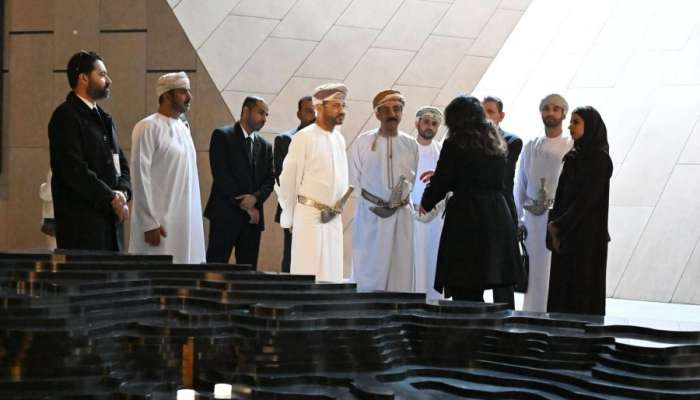

The rich tapestry of ancient Egyptian history continues to captivate the world, and a recent visit by Omani Foreign Minister Sayyid Badr Hamad Al Busaidi to the Grand Egyptian Museum (GEM) exemplifies the enduring fascination and strengthening ties between Oman and Egypt. As part of an official visit, the Foreign Minister toured the magnificent facility, gaining firsthand insight into the unparalleled archaeological treasures housed within. This visit underscores the importance of cultural exchange and preservation of heritage in the Arab world.
A Visit to the Grand Egyptian Museum: Showcasing Egypt’s Civilizational Depth
Sayyid Badr’s exploration of the Grand Egyptian Museum wasn’t simply a diplomatic courtesy; it was an immersive experience into millennia of Egyptian innovation and artistic achievement. He was presented with a detailed overview of the museum’s collections, which meticulously chronicle the evolution of Egyptian civilization from its earliest beginnings. The museum, poised to become a global landmark, represents a significant investment in protecting and presenting this vital historical record. The sheer scale and ambition of the GEM are testament to Egypt’s commitment to its past.
Key Artifacts on Display
The tour specifically highlighted some of the most iconic and significant artifacts. Among these were the colossal statue of King Ramses II, a potent symbol of power and divinity in ancient Egypt. The world-renowned collection of King Tutankhamun’s treasures also took center stage, offering a glimpse into the opulence and beliefs surrounding the afterlife during the New Kingdom period.
Furthermore, the Foreign Minister observed the remarkably preserved solar boats of King Khufu, providing unique insights into ancient Egyptian shipbuilding and religious practices. These vessels, believed to have carried the pharaoh into the afterlife, are masterpieces of engineering and artistry. The displays also included extensive antiquities dating back to the Old and Middle Kingdoms, illustrating the foundations upon which this extraordinary culture was built.
The Importance of Cultural Cooperation Between Oman and Egypt
Beyond the impressive collection itself, Sayyid Badr received a thorough briefing on the museum’s design, its innovative display techniques and how it documents the diverse historical periods of Egyptian civilization. The GEM isn’t merely a storage facility for ancient objects, but a dynamic space employing the latest in museum curation to educate and inspire.
Sayyid Badr expressed his deep appreciation for the museum’s crucial role in preserving and promoting Egypt’s cultural and civilizational heritage. He particularly emphasized the potential for strengthened cultural cooperation between the Sultanate of Oman and Egypt. This collaboration, he suggested, should aim to foster civilizational integration and facilitate a broader exchange of knowledge between the two nations. He believes deepened ties in this sector will contribute to a stronger sense of shared identity within the Arab world.
Preserving Heritage and Fostering Understanding Through Archaeology
The visit highlights the growing recognition of the importance of archaeological tourism and its capacity to connect people with the past. The Grand Egyptian Museum is expected to be a major draw for international visitors, bolstering Egypt’s tourism sector and providing economic benefits. However, its value extends far beyond economic gain.
Through accessible exhibits and educational programs, the GEM serves as a bridge between cultures, promoting understanding and appreciation for the contributions of ancient Egypt to human history. Its careful curation and modern displays help to bring these ancient stories to life for a new generation. The museum exemplifies best practices in heritage preservation and offers a model for other nations seeking to showcase their cultural treasures.
Additionally, the Foreign Minister’s tour reflects a broader trend of increased collaboration in cultural heritage initiatives across the Arab region. The exchange of expertise and resources is crucial for safeguarding these invaluable assets for future generations. Supporting these endeavors demonstrates a commitment to both regional stability and global understanding.
Looking Ahead: Continued Collaboration and Cultural Enrichment
Sayyid Badr Hamad Al Busaidi’s visit to the Grand Egyptian Museum represents a significant moment in the ongoing relationship between Oman and Egypt. His praise for the museum’s cultural significance and his call for enhanced cooperation signal a promising future for joint initiatives in the field of cultural heritage. This impactful visit underscores the vital role of museums in preserving the past and building a more connected future through the study of ancient history.
As the GEM prepares for its official opening, it stands as a beacon of Egyptian civilization and a symbol of the enduring power of cultural exchange. We can anticipate further collaboration between Oman and Egypt, enriching both nations and promoting a deeper appreciation for their shared heritage. Readers interested in learning more about the Grand Egyptian Museum can visit its official website for updates and information on upcoming exhibitions.