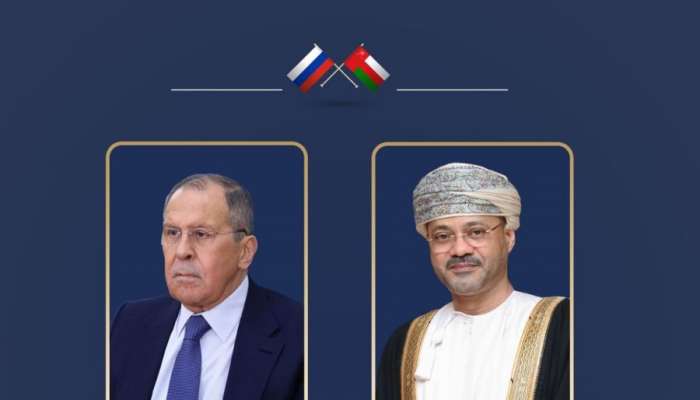

Recent diplomatic efforts highlight Oman’s continued role as a key mediator in regional affairs. A telephone call between Oman’s Foreign Minister, Sayyid Badr Hamad Al Busaidi, and his Russian counterpart, Sergei Lavrov, underscores the importance of ongoing dialogue and cooperation between the two nations. This discussion focused on strengthening bilateral ties and addressing pressing geopolitical challenges, demonstrating Oman’s commitment to peaceful resolutions and regional stability. The conversation centered around Oman-Russia relations and the need for de-escalation in several conflict zones.
Strengthening Oman-Russia Relations Through Dialogue
The telephone call between Sayyid Badr and Minister Lavrov served as a crucial platform for reviewing the existing cooperation between Oman and Russia. Both ministers expressed a shared desire to bolster these ties across a spectrum of areas deemed mutually beneficial. This includes potential collaborations in economic sectors, cultural exchanges, and importantly, continued political coordination on matters of international security. The focus on mutual interest suggests a pragmatic approach to the relationship, built on shared goals rather than ideological alignment.
Areas of Potential Cooperation
While specific details of the potential collaborations weren’t publicly disclosed, Oman and Russia have previously explored partnerships in areas like energy, transportation, and tourism. Given Oman’s strategic location and Russia’s significant role in global energy markets, further cooperation in this sector seems highly probable. Additionally, discussions likely touched upon opportunities for increased trade and investment, contributing to the economic diversification goals of both countries.
Political Consultation and Regional Developments
Beyond bilateral cooperation, the call provided a valuable opportunity for political consultation and coordination on current regional developments. Oman has long been recognized for its neutral stance and its ability to facilitate communication between conflicting parties. This role was particularly evident in the discussions with Minister Lavrov, where both sides exchanged views on the complex geopolitical landscape. Understanding Russia’s perspective is vital for Oman as it navigates its own diplomatic initiatives.
The ministers specifically addressed the need for de-escalation and tension containment in various regional hotspots. Oman consistently advocates for peaceful resolutions to conflicts, emphasizing the importance of dialogue and diplomacy as the primary means of addressing issues and crises. This stance aligns with international efforts to prevent further instability and protect civilian populations. The emphasis on peaceful means reflects Oman’s core foreign policy principles.
Commitment to Diplomacy and Peaceful Resolutions
A key takeaway from the conversation was the reaffirmed commitment of both Oman and Russia to supporting dialogue and diplomacy. In a world often characterized by escalating tensions and unilateral actions, this shared emphasis on peaceful resolution is particularly significant. Sayyid Badr and Minister Lavrov agreed to continue working towards de-escalation, recognizing that sustainable solutions can only be achieved through negotiation and compromise. This commitment to international diplomacy is a cornerstone of Oman’s foreign policy.
The call also highlighted the importance of addressing the root causes of conflicts, rather than simply managing their symptoms. This requires a comprehensive approach that takes into account the political, economic, and social factors that contribute to instability. Oman’s experience in mediating regional disputes positions it well to contribute to this broader effort. Furthermore, the discussion likely touched upon the humanitarian consequences of conflict and the need for increased assistance to affected populations.
Oman’s Role in Regional Stability
Oman’s proactive engagement with key international players, including Russia, demonstrates its dedication to fostering regional stability. The country’s “good offices” approach, characterized by neutrality and a willingness to listen to all sides, has earned it respect and trust throughout the Middle East and beyond. This latest interaction reinforces Oman’s position as a vital bridge-builder in a volatile region. The ongoing political mediation efforts are crucial for preventing further escalation.
The Oman-Russia relations are not new, but this call signifies a renewed focus on strengthening ties and coordinating efforts to address shared challenges. It’s a testament to Oman’s belief that engaging with all stakeholders, regardless of their political alignment, is essential for achieving lasting peace and security. This approach is particularly relevant in the current geopolitical climate, where complex conflicts require multifaceted solutions.
In conclusion, the telephone call between Foreign Minister Sayyid Badr Hamad Al Busaidi and Sergei Lavrov represents a positive step towards strengthening bilateral ties and promoting peaceful resolutions to regional conflicts. The shared commitment to dialogue and diplomacy underscores Oman’s continued role as a key mediator and a force for stability in the Middle East. Readers interested in learning more about Oman’s foreign policy initiatives are encouraged to explore official government resources and reputable news outlets covering the region. Continued engagement and open communication will be vital for navigating the complex challenges ahead and building a more peaceful and prosperous future for all.