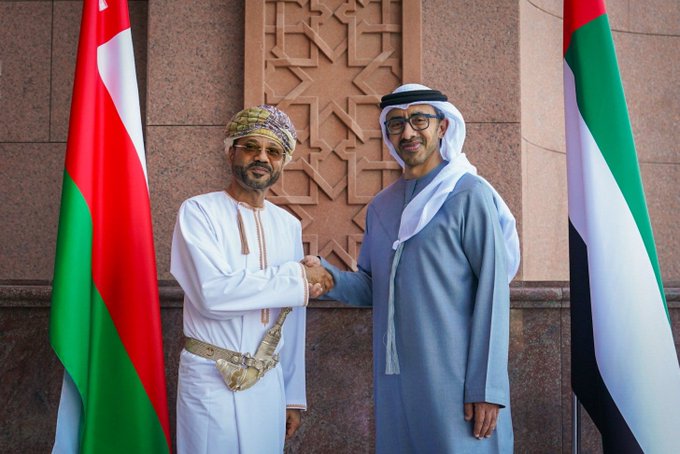

Recent diplomatic efforts in Abu Dhabi highlight the ongoing commitment to regional stability and cooperation. Sayyid Badr bin Hamad Al Busaidi, Oman’s Foreign Minister, engaged in crucial consultations with Sheikh Abdullah bin Zayed Al Nahyan, the UAE’s Deputy Prime Minister and Minister of Foreign Affairs, on Monday. This meeting underscores the importance of continued dialogue in navigating the complex geopolitical landscape of the Gulf region and fostering a unified approach to shared challenges. The focus of these discussions was on strengthening regional stability and addressing pressing issues impacting the area.
Strengthening Regional Stability: Oman and UAE Hold Key Talks
The meeting between the Omani and Emirati Foreign Ministers represents a significant step in reinforcing the strong bilateral ties between the two nations. Discussions centered around a comprehensive review of recent regional developments, with both sides actively exploring pathways for constructive engagement. This proactive approach is vital for addressing the multifaceted challenges facing the Gulf and promoting a more peaceful and prosperous future for its inhabitants.
Focus on Collective Security
A core theme of the consultations was the enhancement of collective security within the region. Both Sayyid Badr and Sheikh Abdullah acknowledged the interconnectedness of security concerns and the necessity of a unified response to threats. This includes collaborative efforts to counter terrorism, address maritime security issues, and promote responsible state behavior. The aim is to create a security architecture that is robust, inclusive, and capable of deterring aggression.
The officials also delved into strategies for safeguarding the common interests of Oman and the UAE. These interests span a wide range of areas, including economic development, energy security, and the protection of vital infrastructure. By aligning their policies and coordinating their actions, both countries can effectively advance their shared objectives and ensure a stable and predictable operating environment.
Commitment to the Gulf Cooperation Council (GCC)
Both Oman and the UAE reaffirmed their unwavering commitment to the principles and objectives of the Gulf Cooperation Council. The GCC serves as a crucial platform for dialogue and cooperation among the member states, enabling them to address common challenges and promote regional integration. The ministers emphasized the importance of maintaining a strong and unified GCC in the face of external pressures and internal divisions.
The discussions highlighted the need to continue and expand bilateral and collective cooperation programs. These programs, guided by the vision of the GCC leaders, are designed to foster economic growth, promote social development, and enhance regional connectivity. Areas of potential collaboration include infrastructure projects, renewable energy initiatives, and joint ventures in key sectors. Gulf action, as it was termed, is seen as essential for progress.
Wise Leadership and Future Directives
The ministers specifically acknowledged the enlightened vision and wise directives of Their Majesties and Highnesses, the leaders of the GCC states. This leadership has been instrumental in guiding the region through periods of turbulence and fostering a spirit of cooperation and mutual respect. The continuation of these directives is seen as crucial for ensuring the long-term stability and prosperity of the Gulf region.
The meeting also touched upon the importance of addressing the aspirations of the region’s peoples. This includes promoting good governance, upholding human rights, and creating economic opportunities for all. Recognizing that lasting stability requires inclusive development is a key component of the strategies discussed. Both nations understand the need to improve living standards and foster a sense of hope among their citizens.
Importance of Ongoing Dialogue for Regional Peace
The Omani-UAE consultations exemplify the robust diplomatic efforts being undertaken to navigate the complexities of the Middle East. This diplomatic engagement is particularly crucial given the current geopolitical climate, which is characterized by heightened tensions and evolving security threats. Continued dialogue between key regional players, such as Oman and the UAE, is essential for de-escalating conflicts, building trust, and finding common ground.
Furthermore, the emphasis on collective security and the GCC framework demonstrates a commitment to multilateralism and a shared responsibility for maintaining regional peace and stability. This approach is preferable to unilateral actions, which can often exacerbate tensions and undermine the prospects for a lasting resolution to conflicts. Regional stability through coordinated action is the overarching goal.
This meeting in Abu Dhabi builds on a history of strong collaboration between Oman and the UAE and serves as a powerful signal of their commitment to a more stable and prosperous future for the Gulf region. The commitment to regional stability shown by both parties sets a positive precedent for future discussions and partnerships.
The discussions reflected a pragmatic and forward-looking approach, focused on identifying concrete steps to address immediate challenges and lay the foundations for long-term cooperation. It is hoped that these efforts will contribute to a more peaceful, secure, and prosperous Gulf region, one that is able to fulfill the aspirations of its people. For further information on Oman’s foreign policy initiatives, readers are encouraged to explore resources available on the Omani Ministry of Foreign Affairs website.