
The burgeoning market for high-end home security is facing a delay as startup Sauron, backed by prominent investors, pushes its launch timeline to late 2026. Founded in 2024 by serial entrepreneur Kevin Hartz and Jack Abraham, Sauron aims to deliver a “military-grade” security system targeting affluent homeowners, but is still navigating complex development challenges. The company’s ambitious vision, combining artificial intelligence, advanced sensors, and 24/7 human monitoring, is proving more difficult to realize than initially anticipated.
Sauron secured $18 million in funding from investors including Flock Safety and Palantir executives, 8VC, Atomic, and A*. The initial plan called for a product launch in the first quarter of 2025, promising a new standard in residential protection. However, the company recently announced a significant postponement, acknowledging the ongoing refinement of its core technology and service offerings.
The Evolution of Sauron’s Home Security Approach
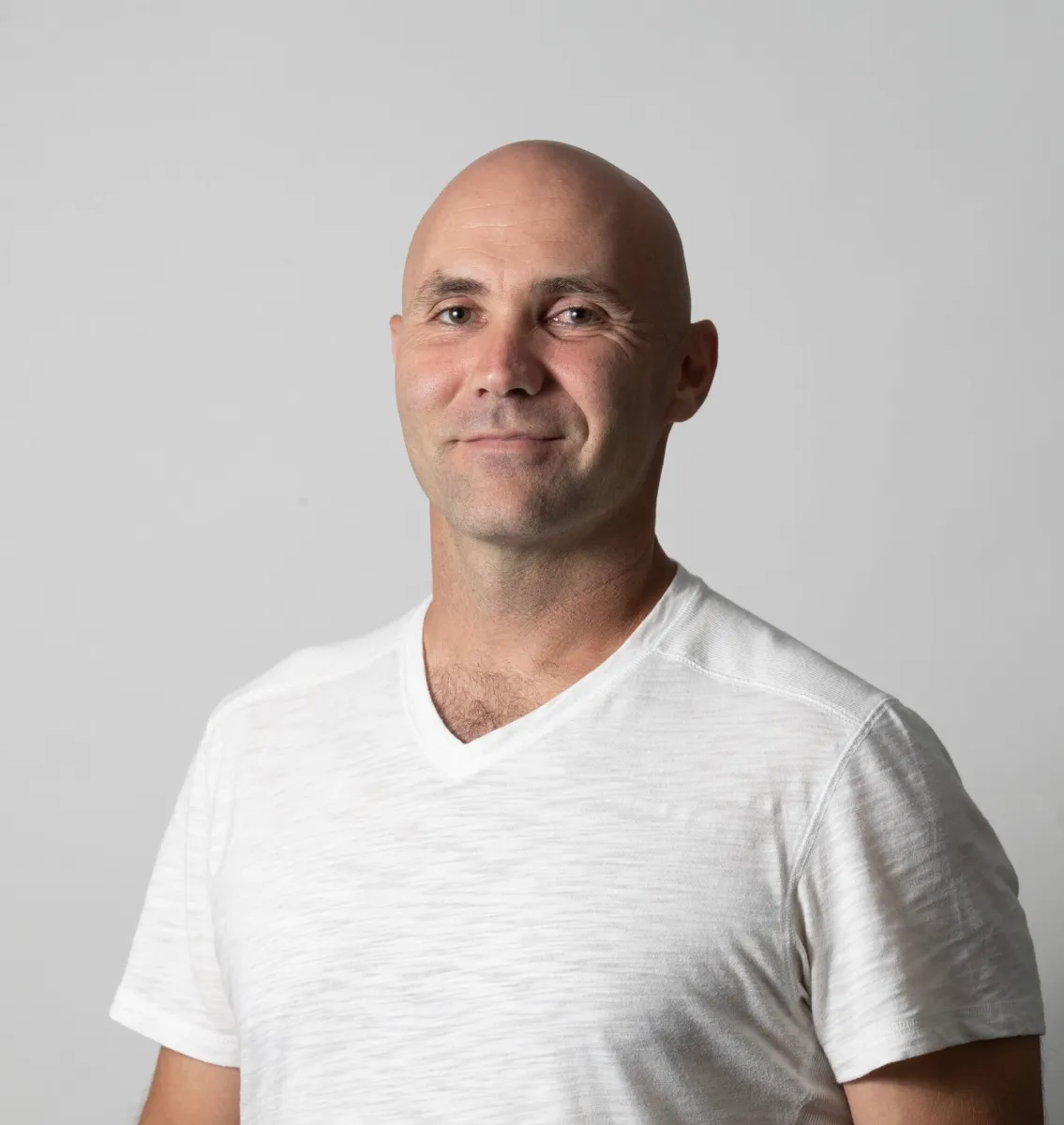
Maxime “Max” Bouvat-Merlin, Sauron’s newly appointed CEO, joined the company last month after a nearly decade-long tenure at Sonos. He is currently focused on finalizing key product decisions, including sensor selection and the implementation of a robust deterrence system. Bouvat-Merlin emphasizes a phased rollout, beginning with core components and gradually integrating more advanced features.
The delay reflects the complexity of integrating multiple technologies – AI-driven software, sophisticated sensors like LiDAR and thermal imaging, and a dedicated human monitoring team comprised of former military and law enforcement personnel. According to Bouvat-Merlin, the company is prioritizing a sustainable and scalable approach, learning from the experiences of established players in the audio and security industries.
Parallels to Sonos
Bouvat-Merlin draws striking parallels between Sauron and Sonos, noting both companies initially targeted wealthier customers, relied on word-of-mouth marketing, and combined intricate hardware with advanced software. He recently discussed these similarities with Sonos founder John MacFarlane, finding common ground in the strategic questions facing both ventures.
These questions include whether to focus on a super-premium or mass-premium market, opt for professional installation or a do-it-yourself model, and build components in-house versus partnering with existing technology providers. While the ultimate decisions may differ, Bouvat-Merlin believes the fundamental challenges are remarkably similar.
Addressing the Need for Enhanced Security
Sauron’s emergence comes amid growing concerns about property crime, particularly among high-net-worth individuals. Recent incidents, such as a high-profile robbery in San Francisco’s Mission District involving cryptocurrency theft, have highlighted vulnerabilities in existing security systems. The company aims to provide a proactive and comprehensive solution to address these anxieties.
Bouvat-Merlin points to low Net Promoter Scores and widespread dissatisfaction with current market leaders as evidence of unmet customer needs. He notes that frequent false alarms often lead to diminished responsiveness from law enforcement, undermining the effectiveness of traditional alarm systems. Sauron intends to minimize false positives through its AI-powered analysis and human verification process.
The Product Takes Shape
The core of Sauron’s offering revolves around camera pods equipped with a suite of sensors, potentially including LiDAR, radar, and thermal imaging. These pods will feed data to servers running machine learning algorithms for advanced computer vision analysis. This data will then be reviewed by a 24/7 concierge service staffed by experienced security professionals.
The deterrence system, a key differentiator for Sauron, is still under development. Options being explored include loudspeakers, flashing lights, and other methods designed to discourage potential intruders before they can compromise a property. The company is also considering incorporating license plate recognition technology to identify suspicious vehicles in the vicinity.
While initial plans included the use of drones, Bouvat-Merlin indicated that this aspect remains a roadmap item, subject to further evaluation and potential partnerships. He emphasized a preference for building upon existing technologies and ecosystems rather than attempting to reinvent the wheel.
Business Model and Future Outlook
Sauron currently operates with a team of fewer than 40 employees and plans to add approximately 10 to 12 more in 2026. A Series A funding round is planned for mid-year, not necessarily out of financial need, but to accelerate growth and facilitate the launch of its first fully integrated product. The company anticipates relying heavily on word-of-mouth referrals from its initial customer base.
The company is also mindful of the privacy implications of its technology. Bouvat-Merlin described a “trust-based” system where homeowners can grant access to authorized individuals, allowing the system to differentiate between known and unknown visitors. This approach aims to balance enhanced home automation with respect for personal privacy.
Looking ahead, Sauron faces the challenge of scaling its operations while maintaining a premium level of service. The company must finalize manufacturing plans, potentially starting in the U.S. before moving to more cost-effective locations. It also needs to adapt its system to diverse residential settings, from sprawling estates to urban apartments.
The next steps for Sauron involve refining its product roadmap, securing Series A funding, and beginning pilot programs with early adopters later in 2026. The company’s success will depend on its ability to deliver on its promise of a truly intelligent and effective security solution, addressing the growing concerns of affluent homeowners and establishing a strong foothold in the competitive security market. The industry will be watching to see if Sauron can overcome its developmental hurdles and deliver a product that lives up to its ambitious vision.