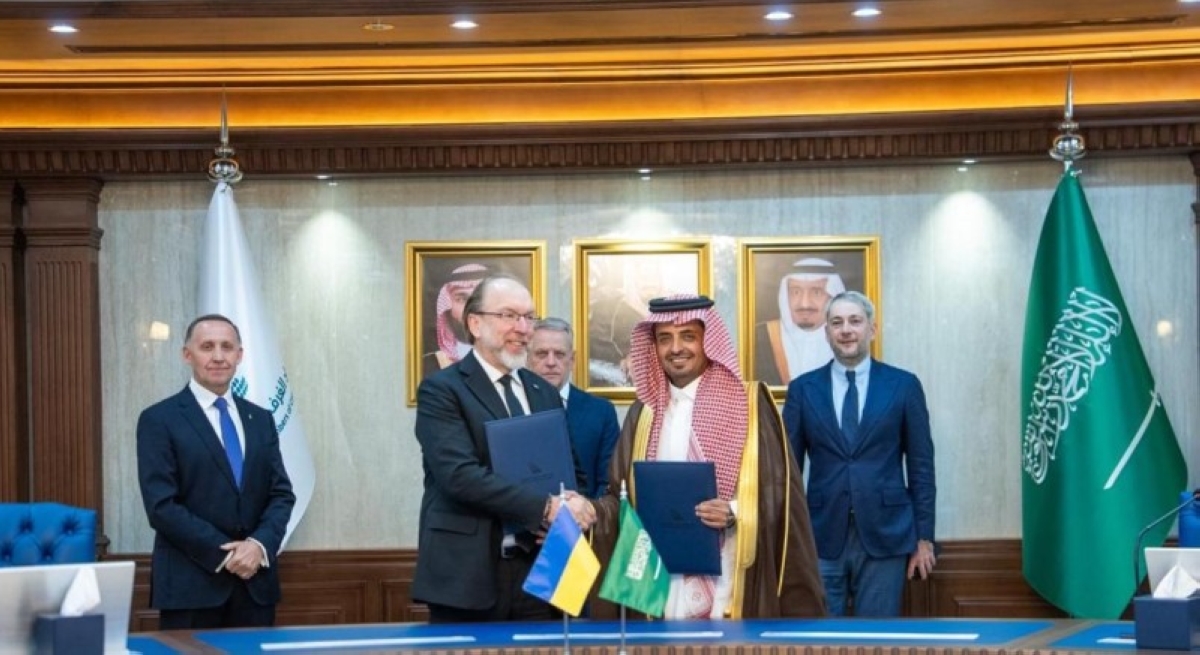

A recent business mission to Riyadh signaled a potential turning point for Ukraine-Saudi Arabia relations, with both nations expressing strong commitment to increased economic cooperation. According to Yuri Melnyk, Co-Chairman of the Saudi–Ukrainian Business Council, the visit resulted in substantial progress towards realizing commitments made earlier this year between the two countries’ leaders. The renewed focus aims to boost trade and investment, particularly in sectors beyond traditional agricultural ties.
The delegation, led by Melnyk, engaged in a series of meetings with Saudi Arabian ministers, regulators, and prominent companies. These discussions directly follow-up on pledges made in March between Crown Prince Mohammed bin Salman and Ukrainian President Volodymyr Zelenskyy to strengthen economic partnerships. The outcome suggests a “strategic new phase” in the countries’ bilateral relationship, revitalizing opportunities hampered by years of limited coordinated dialogue.
Boosting Trade and Investment Between Ukraine and Saudi Arabia
A key achievement of the mission was the reconstitution of the Saudi–Ukrainian Business Council, which had been inactive for a decade. Melnyk stated the council’s re-establishment provides a crucial ongoing structure for collaboration between the private sectors of both nations. Participants focused on creating permanent communication channels to ensure swift coordination and resolving impediments to investment, including streamlining certification, accreditation, and tax procedures.
Both sides also exchanged portfolios of potential investment projects, presented during a meeting hosted by the Ministry of Investment. This exchange highlighted areas of mutual interest and facilitated direct engagement between project developers and investors. The emphasis on direct communication is seen as a mechanism for building trust and accelerating project timelines, a critical step in attracting foreign capital.
Expanding Beyond Agriculture
While agriculture continues to be a foundational element of Ukraine-Saudi Arabia trade, the discussion broadened to prioritize opportunities in critical minerals. Ukraine possesses significant deposits of graphite, titanium, lithium, and other materials essential for industries like electric vehicles and renewable energy. Ukrainian company BGV, specializing in mining and processing these materials, was part of the visiting delegation.
The delegation also spotlighted potential collaborations in the pharmaceutical and medical sectors, recognizing an immediate need for increased capacity. Meetings with the Saudi Food and Drug Authority (SFDA) clarified the regulatory pathways for introducing Ukrainian pharmaceutical products into the Saudi market. Ukrainian firm ADL Group proposed building light pharmaceutical manufacturing facilities within the Kingdom, which would benefit both nations beyond reconstruction efforts.
Despite ongoing conflict, Ukraine has maintained a robust agricultural export sector. SALIC, the Saudi Agricultural and Livestock Investment Company, demonstrates this faith with its existing investments, including ownership in Continental Farmers Group and a 13% stake in MHP, Ukraine’s leading poultry producer. According to Melnyk, Ukraine has “almost hasn’t lost any numbers in exporting food” despite the war, continuing to serve global markets.
Current trade volume between the two countries stands at $680 million – a figure Melnyk acknowledges is below its potential. Ukraine presented investment projects valued at over $1 billion during the Riyadh visit, and estimates suggest trade could increase to $2-3 billion in the near future. Existing trade patterns involve Ukrainian food and agricultural products flowing to Saudi Arabia, balanced by energy and chemical exports from Saudi Arabia to Ukraine.
Ukraine’s Reconstruction and Investment Opportunities
Ukraine anticipates requiring over $500 billion in reconstruction funding, according to initial assessments. Melnyk stressed that the private sector, alongside governmental support, will be instrumental in rebuilding key infrastructure and industries. These include energy, green technologies, food production, manufacturing, and healthcare pharmaceuticals.
Ukrainian companies are prepared to participate in co-investment models, reducing risk for foreign partners and ensuring local expertise is integrated into reconstruction projects. Furthermore, a significant $500 million cluster project focusing on manufacturing, food, and green energy has been identified as ready for development. This showcases Ukraine’s proactive approach to attracting foreign direct investment.
Even with the ongoing war, Ukraine remains open to investment, with several sectors receiving support from both domestic and international sources. Existing bilateral investment protection agreements provide a degree of security for Saudi capital invested in Ukraine, mitigating potential risks. Meanwhile, discussions are underway to establish joint production facilities for poultry products within Saudi Arabia, as well as restoring previous export levels.
Looking ahead, maintaining the momentum from the Riyadh visit is crucial. The Business Council is expected to regularly convene to monitor progress on agreed-upon actions and address any emerging challenges to strengthening bilateral economic ties. Continued stability in the region and a resolution to the conflict in Ukraine will be vital factors in realizing the full potential of this partnership. Further details on specific project agreements and timelines are anticipated in the coming months.