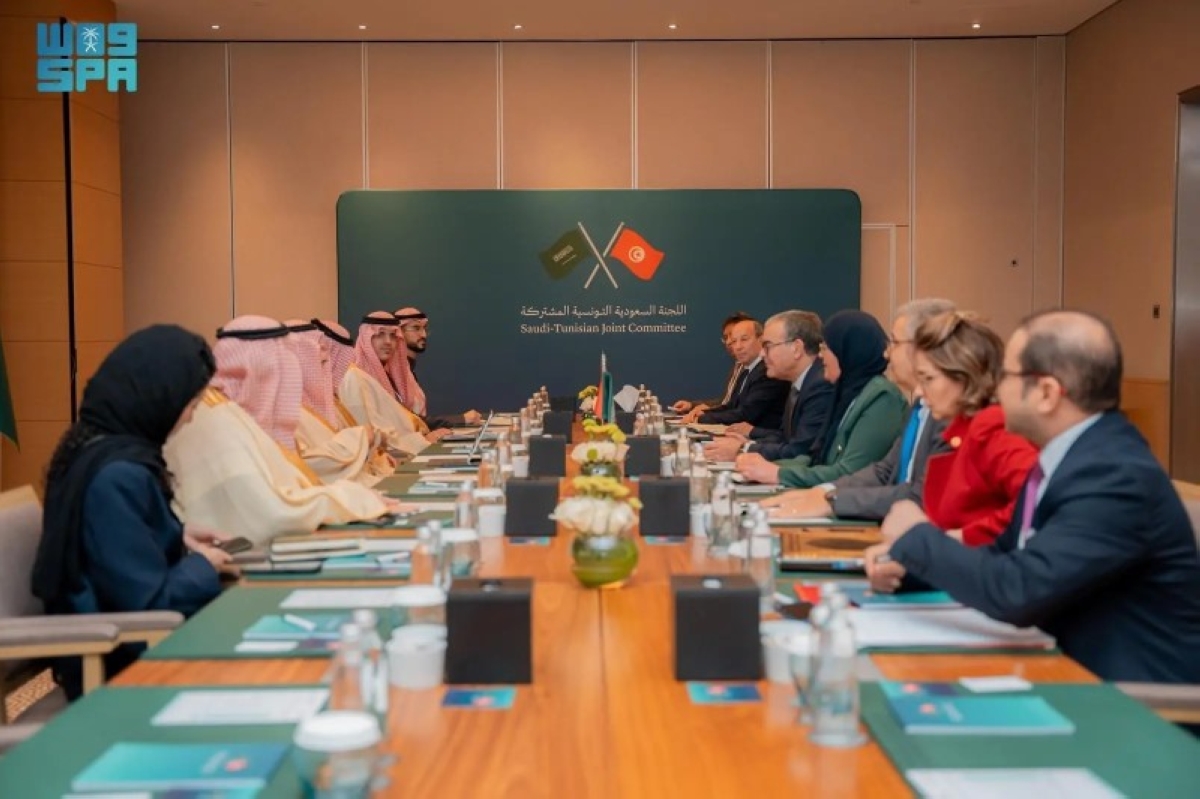

RIYADH – The 12th session of the Saudi-Tunisian Joint Committee concluded Sunday with a focus on deepening bilateral trade and investment across key sectors. Representatives from both nations convened in Riyadh to discuss enhanced cooperation in areas like industry, mining, and logistics, aiming to bolster economic ties that have spanned over seven decades. The meeting underscored a commitment to translating shared visions into actionable programs and initiatives.
Co-chaired by Saudi Minister of Industry and Mineral Resources Bandar Alkhorayef and Tunisian Minister of Economy and Planning Dr. Samir Abdelhafidh, the committee session involved extensive discussions between official delegations and government sector representatives. The talks centered on identifying opportunities for strategic partnerships and addressing obstacles to increased economic activity between Saudi Arabia and Tunisia.
Strengthening Saudi-Tunisian Economic Cooperation
The Saudi-Tunisian Joint Committee, established in 1998, serves as a crucial platform for fostering collaboration. According to Minister Alkhorayef, the current session is particularly timely, given the need for increased coordination in sectors driving economic growth. He encouraged businesses in both countries to forge practical partnerships within promising industries and value chains.
A significant outcome highlighted during the meeting was the impact of previous agreements on product conformity certificates. These agreements, stemming from the third meeting held in Tunisia in July 2023, reportedly contributed to a 38% increase in trade exchange through September 2023 compared to the same period last year. This demonstrates the tangible benefits of streamlined regulations and mutual recognition standards.
Key Sectors Under Discussion
The committee’s agenda encompassed a broad range of sectors deemed vital for economic diversification and sustainable development. Discussions extended beyond traditional trade to include cooperation in tourism, the judiciary, and justice systems. This holistic approach reflects a desire to build a more comprehensive and resilient economic relationship.
Investment opportunities were a central theme, with both sides exploring avenues for increased capital flow. The ministers also addressed challenges faced by exporters and investors, seeking solutions to facilitate smoother transactions and reduce bureaucratic hurdles. The goal is to create a more attractive environment for foreign investment.
The mining sector received particular attention, given Saudi Arabia’s ambitious plans for mineral resource development. Tunisia’s experience and expertise in this area were seen as valuable assets for potential collaboration. Additionally, the importance of developing robust logistics infrastructure to support trade was repeatedly emphasized.
Minister Alkhorayef and Dr. Abdelhafidh held separate bilateral talks on the sidelines of the committee session. These discussions focused on enhancing economic and industrial integration, signaling a commitment to move beyond individual projects towards a more interconnected economic framework.
The meeting resulted in the inclusion of approximately 100 items in the committee’s minutes, covering 15 distinct areas of cooperation. These areas span critical sectors including energy, industry, mining, logistics, trade, and human resource development. The breadth of these items underscores the depth and scope of the ongoing discussions.
The Saudi Ministry of Industry and Mineral Resources indicated that the committee’s work will continue through dedicated working groups tasked with implementing the agreed-upon initiatives. These groups will be responsible for developing detailed action plans and monitoring progress towards achieving the stated objectives.
Looking ahead, the next steps involve finalizing the details of the agreements outlined in the committee’s minutes and initiating the implementation phase. While no firm deadlines were announced for all initiatives, the commitment to ongoing collaboration suggests continued momentum in the bilateral trade relationship. The success of these efforts will depend on effective coordination between government agencies and active participation from the private sector in both countries.
Future developments to watch include the specific projects that emerge from the working groups, the impact of these projects on trade volumes, and any further regulatory reforms aimed at facilitating investment. The evolving geopolitical landscape and global economic conditions could also influence the trajectory of Saudi-Tunisian economic cooperation.