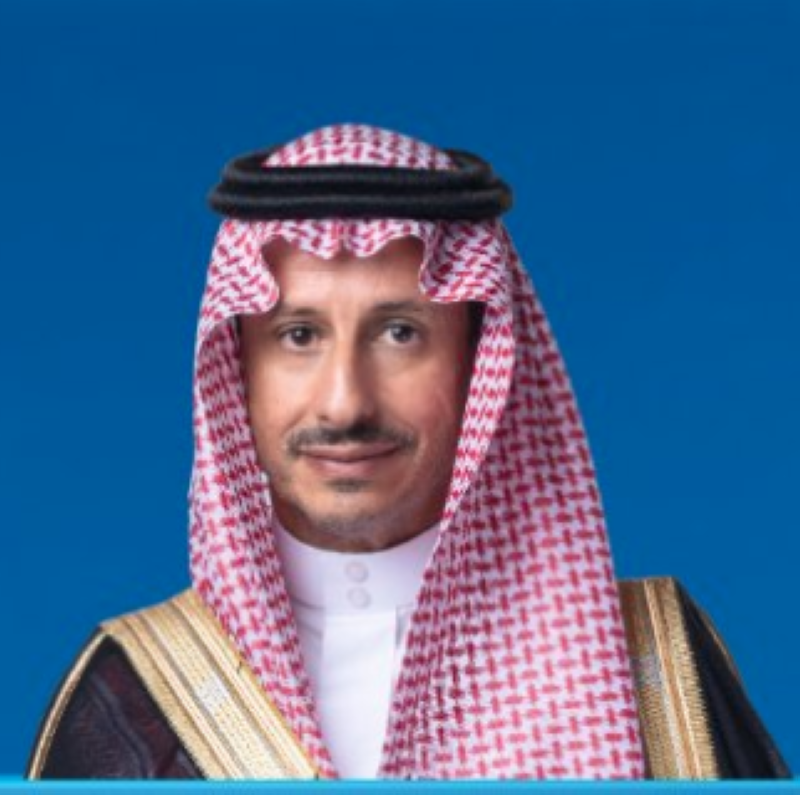

DAVOS — Saudi Arabia’s Minister of Tourism, Ahmed Al-Khateeb, urged global travel leaders at the World Economic Forum to prioritize the human workforce amidst rapid digital transformation in the industry. Speaking at the Saudi House, Al-Khateeb cautioned against automation that displaces workers, emphasizing the need for skills development and job protection. The call comes as the travel sector navigates increasing technological integration, aiming to enhance efficiency and customer experience.
The discussion took place during a session titled “The Human Code: Designing Capability Systems,” bringing together policymakers and industry executives to address the challenges and opportunities presented by automation. Al-Khateeb’s remarks highlight a growing concern that the benefits of technology may not be evenly distributed, potentially exacerbating existing inequalities within the tourism industry. This sentiment was echoed by several attendees, who acknowledged the need for proactive strategies to mitigate negative impacts.
Balancing Digital Transformation with Human Capital in Tourism
The global travel and tourism sector is a significant employer, currently supporting approximately 1.6 billion jobs worldwide, according to the Minister. A substantial portion of this workforce – 45 percent – is comprised of women, and 80 percent are young people, making job preservation a critical social and economic issue. Al-Khateeb argued that technological advancements should be leveraged to upskill employees and create new opportunities, rather than simply replacing them.
Saudi Arabia is actively positioning itself as a leader in this approach. The Kingdom’s tourism strategy reportedly includes a strong focus on workforce development initiatives. These programs aim to equip citizens and residents with the skills needed to thrive in a changing job market, particularly in areas related to technology and customer service. This proactive stance is intended to serve as a model for other nations.
The Importance of Service and Cultural Exchange
A key argument presented by Al-Khateeb centers on the inherent nature of the travel experience. The sector relies heavily on personalized service, cultural understanding, and genuine human interaction. These elements, he contends, are difficult, if not impossible, to fully replicate with automation.
He further emphasized the value of learning from travelers and cultural exchange, suggesting that the insights gained from these interactions are crucial for innovation and improvement within the industry. This perspective highlights the importance of maintaining a diverse and engaged workforce that can contribute to a richer travel experience.
The Minister’s comments align with broader discussions about the future of work, where the potential for automation to disrupt various industries is a major concern. However, the specific context of tourism adds another layer of complexity, given its reliance on human connection and cultural sensitivity. Experts suggest that a successful travel technology integration will require a nuanced approach that prioritizes both efficiency and the human element.
Al-Khateeb also indicated Saudi Arabia is actively collaborating with international organizations like UN Tourism and private sector partners to promote this people-centric approach globally. He stated he consistently advises these entities to prioritize training and value the contributions of their workforce. This collaborative effort aims to establish best practices and encourage responsible implementation of technology across the industry.
The focus on skills development is not limited to technical expertise. The ministry has also emphasized the need for training in areas such as hospitality, communication, and cultural awareness. These “soft skills” are considered essential for delivering high-quality service and fostering positive interactions with tourists.
While the benefits of automation – such as increased efficiency and reduced costs – are widely acknowledged, concerns remain about its potential impact on employment levels and income inequality. Some analysts predict that certain roles within the tourism sector, such as travel agents and customer service representatives, are particularly vulnerable to automation.
In contrast, other areas, such as data analysis and digital marketing, are expected to see increased demand for skilled workers. This shift underscores the importance of proactive reskilling and upskilling initiatives to ensure that the workforce is prepared for the jobs of the future. The successful implementation of these initiatives will likely depend on collaboration between governments, businesses, and educational institutions.
The World Economic Forum’s discussions on this topic are expected to continue, with a focus on developing concrete strategies for building resilient and future-ready talent systems. A key challenge will be to balance the need for innovation with the imperative of protecting jobs and ensuring equitable access to opportunities. The long-term implications of these decisions will be significant for the global travel industry and the millions of people it employs.
Looking ahead, the effectiveness of Saudi Arabia’s workforce development programs will be closely monitored as a potential case study for other nations. Further details regarding specific training initiatives and investment targets are anticipated in the coming months. The industry will also be watching for any policy recommendations emerging from the ongoing discussions at the World Economic Forum regarding responsible automation in tourism.