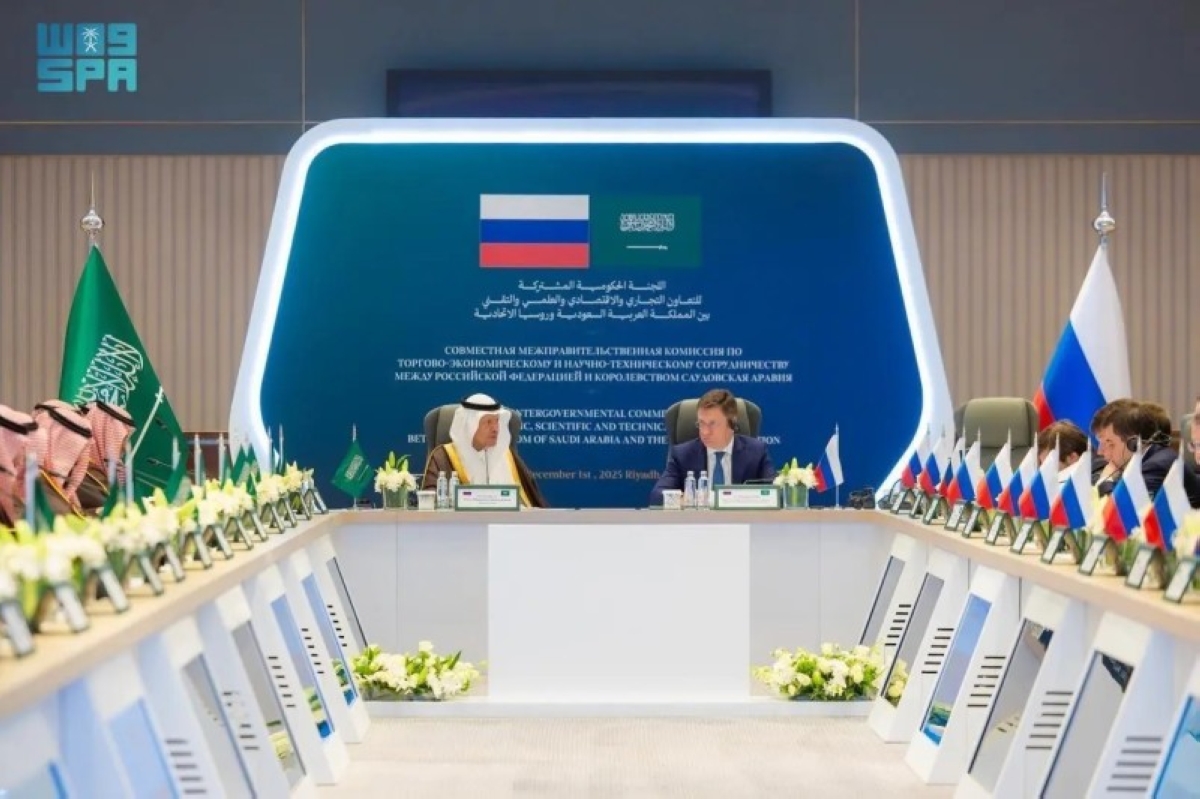

RIYADH — Saudi Arabia and Russia reaffirmed their commitment to bolstering economic ties during the 9th session of the Joint Intergovernmental Saudi-Russian Commission on Trade, Economic, Scientific and Technical Cooperation, held Monday in Riyadh. The meeting, co-chaired by Saudi Minister of Energy Prince Abdulaziz bin Salman and Russian Deputy Prime Minister Alexander Novak, focused on expanding Saudi-Russian trade and cooperation across multiple sectors.
Discussions centered on strengthening partnerships in energy, investment, and key non-oil industries. This latest session signals continued alignment between the two nations amid a shifting global economic landscape, according to a statement released by the Saudi Ministry of Energy. The commission also acknowledged the success of associated business forums and council meetings held concurrently.
Strengthening the Saudi-Russian Economic Partnership
The deepening of Saudi-Russian trade reflects a broader strategic relationship that has evolved significantly in recent years. Both countries are major players in the global energy market, and collaboration through OPEC+ has been a critical component of stabilizing oil prices, particularly following disruptions caused by geopolitical events and the COVID-19 pandemic. This energy cooperation forms the foundation for broader economic engagement.
However, the focus extends beyond hydrocarbons. A key aim of the commission is to diversify economic cooperation, reducing reliance on oil and gas revenues. This includes exploring opportunities in areas like technology transfer, infrastructure development, and financial services.
Key Sectors Under Review
The commission’s agenda encompassed a wide range of sectors identified as having significant potential for growth. These included energy, naturally, but also trade, economy, investment, space exploration, industry, and the minerals sector.
Additionally, discussions extended to areas such as healthcare, education, media, culture, sports, tourism, transportation, housing, and agriculture. This broad scope indicates a desire to create a multifaceted relationship, strengthening people-to-people links and building resilience across various economic fields. The Saudi-Russian Business Forum, held alongside the commission’s session, is designed to facilitate connections between businesses in both countries, translating broad agreements into concrete projects.
Investment and Infrastructure
Investment prospects were a prominent topic. Both governments aim to create more favorable conditions for businesses to invest in each other’s economies. This ambition includes streamlining regulatory processes and addressing potential barriers to entry. The report indicates Saudi Arabia is particularly interested in attracting Russian investment in sectors aligned with its Vision 2030 plan, including tourism and technology.
Infrastructure projects also received attention. Collaboration on large-scale projects, such as transportation networks and industrial zones, could benefit both economies. These projects often require significant capital and expertise, making a partnership between Saudi Arabia and Russia mutually advantageous. The development of the Northern Sea Route as a potential trade artery was also likely discussed, given Russia’s focus on expanding its Arctic capabilities.
Expanding Beyond Energy: Diversification Efforts
While energy remains central, both nations are actively pursuing diversification. Saudi Arabia, under Vision 2030, is investing heavily in non-oil sectors to reduce its economic dependence on oil exports. Russia, facing Western sanctions, is also seeking to expand its economic partnerships beyond traditional markets. This convergence of interests creates opportunities for collaboration.
Areas such as renewable energy, particularly hydrogen, and digital technology are gaining increased focus. Saudi Arabia has ambitious targets for renewable energy deployment, while Russia possesses significant expertise in nuclear energy and is developing its digital infrastructure. Potential collaborations in these fields could contribute to both countries’ sustainable development goals. Increasing economic cooperation will be key.
Meanwhile, cooperation in the space sector appears to be an emerging area of interest. Both countries have space programs and could explore joint ventures in areas like satellite technology and space exploration. The focus on minerals suggests potential collaboration in the extraction and processing of critical materials needed for renewable energy technologies and advanced manufacturing, furthering bilateral relations.
In contrast to some nations’ approaches, Saudi Arabia and Russia have maintained a pragmatic approach to international trade and investment, prioritizing mutual benefit. This has allowed them to navigate complex geopolitical challenges and continue to strengthen their economic ties. The Saudi-Russian Business Council plays a crucial role in identifying and addressing obstacles to trade and investment, providing a platform for dialogue between the private sectors of both countries.
The commission acknowledged the positive momentum generated by previous meetings and agreements. The next steps involve translating the discussed initiatives into concrete action plans with specific timelines and deliverables. While no firm date was announced, officials indicated that a follow-up meeting to assess progress is anticipated within the next year. The ongoing geopolitical situation and its impact on global energy markets will undoubtedly continue to shape the dynamics of this key economic partnership. Further developments in trade relations will be monitored closely.