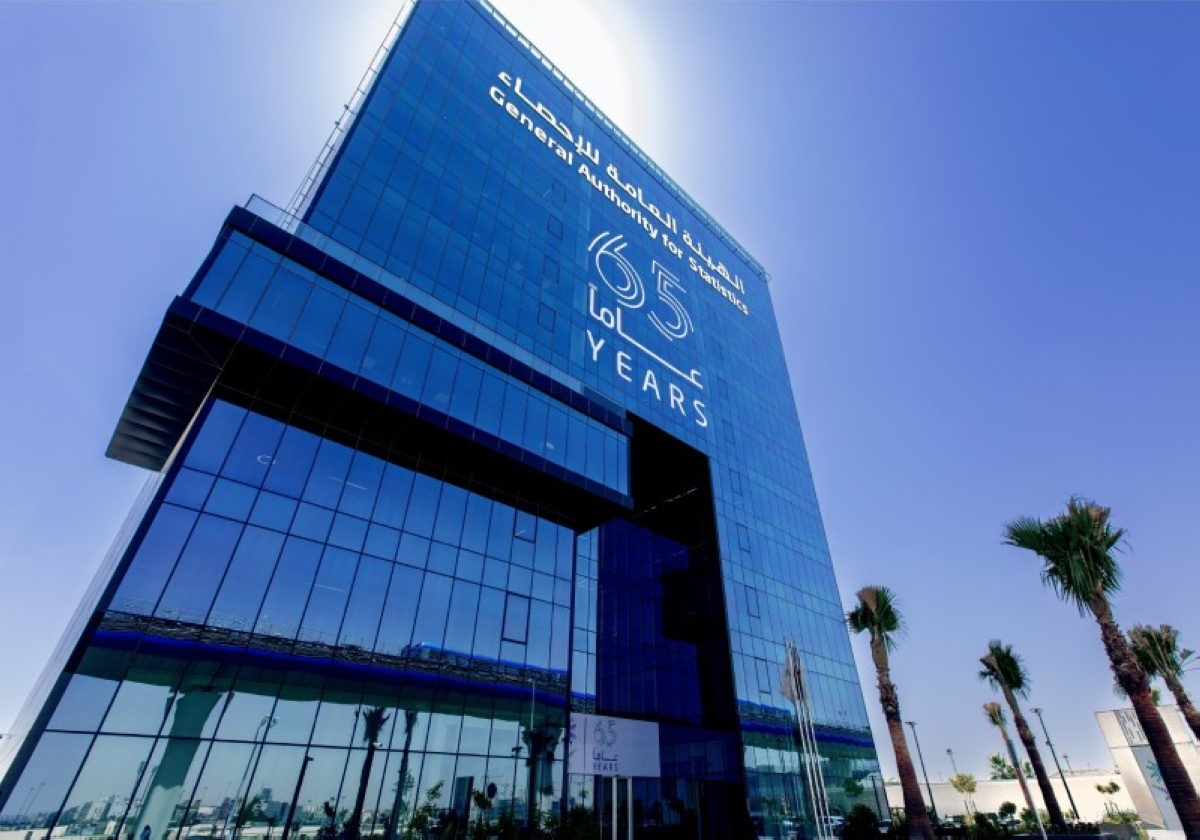

RIYADH – Saudi Arabia significantly increased its energy efficiency efforts in 2024, achieving a 22.8 percent rise in total primary energy savings. The gains reached 662,000 barrels of oil equivalent per day, according to recently released statistics from the General Authority for Statistics (GASTAT). This improvement underscores the Kingdom’s commitment to diversifying its energy sources and reducing its carbon footprint as part of its Vision 2030 plan.
The data, published on Thursday, reveals substantial savings across key sectors of the Saudi economy. These savings are a result of ongoing initiatives aimed at optimizing energy use in buildings, transportation, and industry. The report covers the period from 2020 to 2024, utilizing administrative records from the Ministry of Energy and data collected by GASTAT.
Boosting Energy Efficiency: Sectoral Breakdown
The building sector, encompassing residential, governmental, and commercial properties, led the way in energy conservation, accounting for 484,000 barrels of oil equivalent per day in savings. This highlights the impact of building codes and retrofitting programs designed to improve insulation and appliance efficiency. The transportation sector followed with approximately 70,000 barrels of oil saved, likely due to improvements in vehicle fuel economy and public transportation infrastructure.
Meanwhile, the industrial sector recorded savings of 41,000 barrels of oil equivalent per day. This suggests that industrial energy audits and the adoption of more efficient technologies are contributing to reduced consumption. These figures demonstrate a broad-based effort to improve energy conservation throughout the Saudi economy.
Energy Intensity Trends
Despite the overall increase in energy savings, the report also noted a slight rise in total energy intensity – the amount of energy required to produce one unit of economic output – of approximately 0.7 percent in 2024 compared to 2023. This reached 393 barrels of oil equivalent per million riyals. This indicates that economic growth is outpacing the rate of energy efficiency improvements, though the gap remains relatively small.
Looking at individual sectors, energy consumption intensity in the industrial sector was approximately 172 barrels of oil equivalent per million riyals. The buildings sector registered an intensity of around 118 barrels, while transportation accounted for 80 barrels. Other sectors combined had an intensity of approximately 24 barrels per million riyals. These variations suggest opportunities for targeted interventions to further reduce energy intensity in specific areas.
Changes in Consumption Patterns
The statistics also shed light on shifts in individual energy consumption habits. Average electricity consumption in the building sector increased by 1.1 percent in 2024, reaching 23 megawatt-hours per consumer. This rise could be attributed to factors such as increased household appliance usage and a growing population.
However, consumption of specific fuels showed differing trends. The average per capita consumption of liquefied petroleum gases (LPG) increased by 2.4 percent, from 87 liters per person in 2023 to 89 liters in 2024. In contrast, gasoline consumption decreased by 2.9 percent, falling from 863 liters per person in 2023 to 838 liters in 2024. This decline in gasoline usage may be linked to rising fuel prices and the promotion of alternative transportation options.
These changes in consumption patterns are important for policymakers as they refine strategies for sustainable energy use. Understanding how different sectors and individuals are responding to energy efficiency initiatives is crucial for maximizing their impact.
The Ministry of Energy has been actively implementing a National Energy Efficiency Program, which includes initiatives such as setting minimum energy performance standards for appliances, promoting energy-efficient building designs, and investing in renewable energy sources. These efforts are aligned with Saudi Arabia’s broader goals of economic diversification and environmental sustainability.
The Kingdom is also investing heavily in smart grid technologies and energy storage solutions to improve the reliability and efficiency of its electricity network. These investments are expected to further reduce energy waste and enhance the integration of renewable energy sources. The development of a robust carbon capture, utilization, and storage (CCUS) industry is another key component of Saudi Arabia’s energy strategy.
Looking ahead, GASTAT is expected to release updated energy efficiency statistics on an annual basis. These reports will provide valuable insights into the effectiveness of ongoing initiatives and help identify areas where further improvements are needed. The next report, covering 2025, will be crucial for assessing the long-term impact of the Kingdom’s energy transition efforts. Monitoring trends in energy intensity and consumption patterns will remain a priority for policymakers as they strive to achieve a more sustainable and efficient energy future for Saudi Arabia.
The success of these programs will be heavily influenced by continued investment, technological innovation, and public awareness campaigns. The interplay between economic growth, population changes, and evolving energy technologies will also shape the future of energy management in the country.