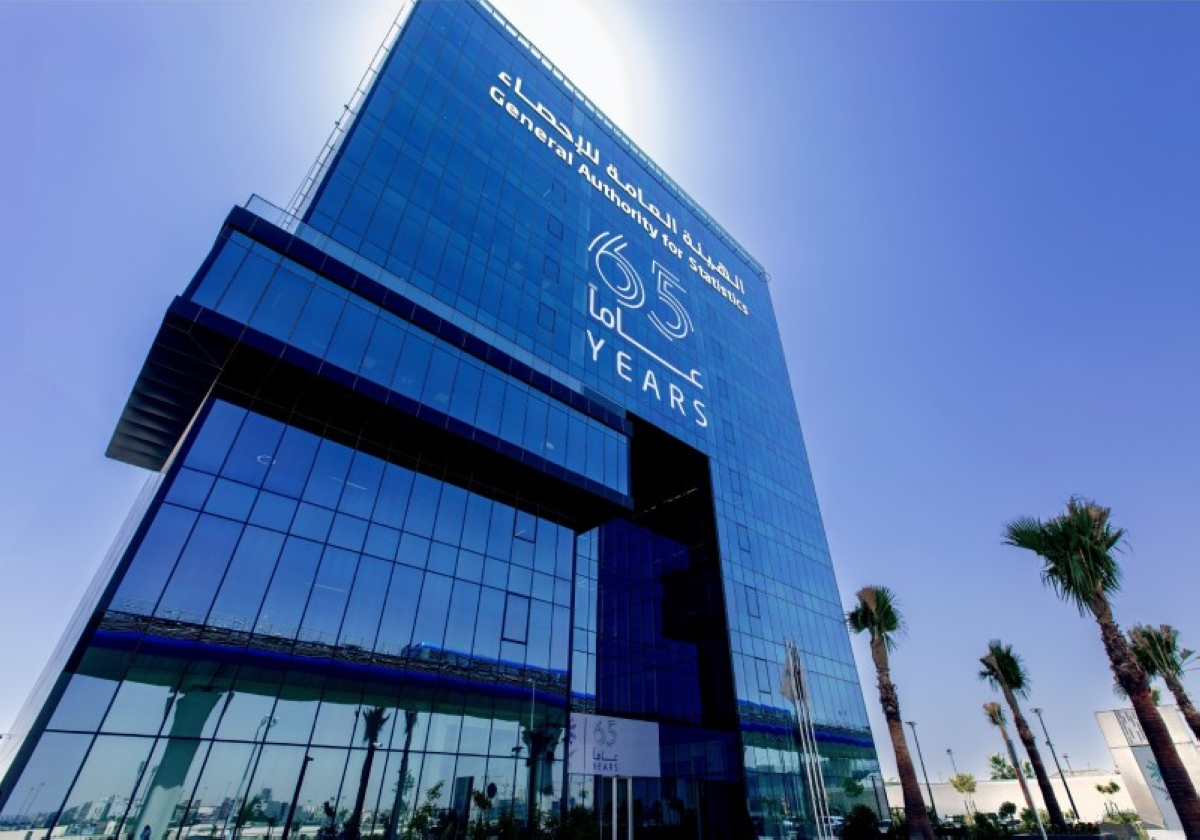

RIYADH — Saudi Arabia’s nonprofit sector experienced significant growth in 2024, with revenues increasing by 22 percent to SR73.1 billion, according to recently released data from the General Authority for Statistics (GASTAT). This surge indicates a strengthening of social and charitable organizations within the Kingdom’s economy. Expenditures also rose, climbing 17 percent to SR60.8 billion during the same period, reflecting increased operational capacity and program implementation.
The data, published by GASTAT, covers the entirety of Saudi Arabia and represents the financial activity reported throughout the 2024 calendar year. This marks a continued trend of expansion within the Kingdom’s commitment to bolstering its social development initiatives and diversifying economic activity beyond traditional oil revenues. The substantial increases in both revenue and spending suggest a rising demand for nonprofit services and a greater capacity for these organizations to deliver them.
Growth in the Saudi Nonprofit Sector
The 22 percent revenue increase for the nonprofit sector is a noteworthy development, building on previous years of sustained, yet more moderate, expansion. This growth is occurring against a backdrop of Saudi Arabia’s Vision 2030, a national strategy aimed at reducing the Kingdom’s dependence on oil and fostering economic diversification, social progress, and improved governance. The vision explicitly encourages a stronger role for the nonprofit sector in achieving these goals.
Key Revenue Contributors
Education and research activities were the leading revenue generators within the nonprofit landscape, contributing 29 percent of the total. The health sector followed closely, accounting for 24 percent of revenues, indicating the prioritization of these areas in national development. Culture and entertainment rounded out the top three, representing 19 percent of the total, a figure that aligns with the Kingdom’s efforts to expand its offerings in these fields.
These percentages underscore the central role that entities focused on human capital development and wellbeing play within the nonprofit sector. The allocation of resources appears to reflect national priorities articulated within Vision 2030 and other strategic plans. This concentration likely stems from both public funding initiatives and private donations aligned with these objectives.
Workforce Distribution
The sector’s workforce is not evenly distributed across its various activities. Culture and entertainment employed the largest portion of workers, representing 42 percent of the total. This suggests these organizations are labor-intensive, likely due to events, tourism, and artistic endeavors. Social services accounted for 20 percent of employees, indicating a significant presence of organizations directly involved in community support.
Development and housing initiatives employed 9 percent of the workforce. While this is a smaller share compared to culture and entertainment or social services, it reflects ongoing efforts to address housing needs and promote sustainable development within the Kingdom. Understanding these workforce allocations is vital for evaluating the economic impact of the charitable organizations.
Capital Investment and Spending
Fixed capital formation, or asset purchases, totaled SR4.37 billion in 2024, showing a commitment to long-term investment within the sector. The health sector led in this area, responsible for SR1.4 billion in asset acquisitions, widening its capacity for service delivery. This indicates investments in infrastructure, medical equipment, and facilities.
Compensation of employees represented SR28.9 billion of the total expenditures, a 13 percent increase from 2023. This rise suggests a growing professionalization of the nonprofit workforce, with higher salaries attracting and retaining skilled personnel. The increasing cost of labor is a factor that nonprofit organizations in Saudi Arabia, like those globally, must navigate.
The remainder of the SR60.8 billion in expenditures was distributed across operational costs, program expenses, and other administrative functions. The detailed breakdown offers a valuable insight into the cost structure of these organizations and how funds are being utilized. Further research into specific budget allocations could reveal opportunities for efficiency gains and enhanced impact.
The methodologies employed by GASTAT in collecting this data are designed to ensure reliability and accuracy, aiming to provide a solid economic foundation for understanding the charitable organizations in Saudi Arabia. The data collection process utilizes standardized definitions and classifications, enhancing comparability over time and across different segments of the sector. This robust data foundation is crucial for informed policymaking and strategic planning.
Looking ahead, it will be important to monitor whether this growth trajectory continues in 2025 and beyond. The ability of the nonprofit sector to sustain this momentum will likely depend on factors such as ongoing government support, the continued flow of private donations, and the overall economic health of the Kingdom. Additionally, future GASTAT reports could explore the impact of recent regulatory reforms on the sector’s performance and investigate emerging trends in areas like social impact investing and technological adoption.
The next set of statistics is expected to be released in the late summer of 2025, providing an updated view of the sector’s evolution. Analysts will be watching for any shifts in revenue distribution, changes in workforce demographics, and further details on capital investment patterns. The long-term implications of this growth for Saudi Arabia’s social and economic landscape remain to be seen.