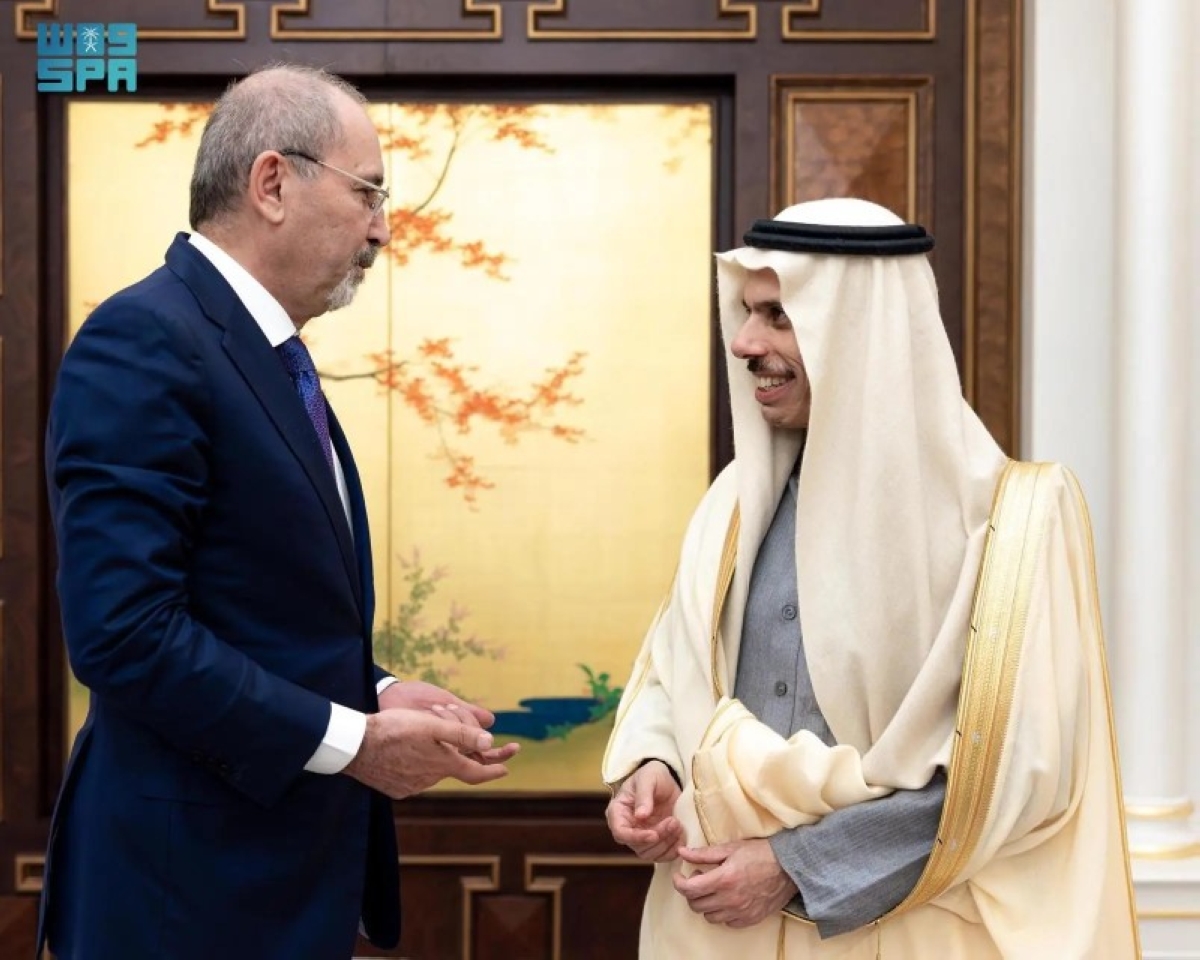

RIYADH — Saudi Arabian Foreign Minister Prince Faisal bin Farhan Al Saud and Jordanian Deputy Prime Minister and Minister of Foreign Affairs and Expatriates Ayman Safadi convened in Riyadh on Sunday to discuss bilateral ties and pressing regional issues. The meeting underscored the strong Saudi-Jordanian relations and a commitment to collaborative efforts in navigating complex geopolitical challenges. Discussions focused on strengthening cooperation across multiple sectors and coordinating responses to evolving circumstances in the Middle East.
The meeting took place at the Ministry of Foreign Affairs in Riyadh, according to a statement released by the Saudi Ministry of Foreign Affairs. Both ministers reaffirmed their countries’ dedication to maintaining stability and security in the region, and explored avenues for enhanced political and economic partnership. The discussions also touched upon ongoing diplomatic initiatives related to regional conflicts and humanitarian concerns.
Strengthening Saudi-Jordanian Relations
The encounter between Prince Faisal and Safadi highlights the consistently close relationship between Saudi Arabia and Jordan. Both nations share a history of political alignment and economic interdependence, particularly in areas like trade and investment. According to the Jordanian Ministry of Foreign Affairs, the two sides emphasized the importance of continued dialogue and coordination to address shared interests.
Areas of Cooperation
Several key areas of potential collaboration were identified during the meeting. These included:
- Enhanced trade and investment flows between the two kingdoms.
- Joint initiatives to promote regional stability and counter-terrorism.
- Coordination on diplomatic efforts related to the Syrian crisis and the Palestinian-Israeli conflict.
Additionally, the ministers discussed opportunities for increased cooperation in the fields of energy, water security, and infrastructure development. These sectors are considered crucial for both countries’ long-term economic growth and sustainability. The meeting also acknowledged the importance of labor relations, with Jordan being a significant destination for Saudi investment and employment opportunities for Jordanian citizens.
However, regional instability presents ongoing challenges to these cooperative efforts. The ongoing conflicts in Yemen and Syria, as well as the unresolved Israeli-Palestinian dispute, continue to exert pressure on both Saudi Arabia and Jordan. The ministers reportedly exchanged views on these issues and explored potential avenues for a coordinated response.
Meanwhile, the discussions extended to broader international developments. The ministers reviewed the latest efforts to address global challenges such as climate change and the COVID-19 pandemic. They also emphasized the importance of multilateralism and international cooperation in tackling these issues effectively. The need for a unified approach to global economic recovery was also highlighted.
In contrast to some regional tensions, the Saudi-Jordanian relations have remained remarkably stable. This is attributed to a shared commitment to moderate policies and a pragmatic approach to foreign policy. Both countries are key partners of the United States and play a significant role in regional security architecture. This shared strategic alignment further solidifies their bilateral ties.
The meeting also comes amidst ongoing efforts to strengthen regional economic integration. Saudi Arabia’s Vision 2030, a comprehensive economic diversification plan, presents opportunities for Jordanian businesses and investors. Similarly, Jordan’s economic reforms aim to attract foreign investment and promote sustainable growth, potentially benefiting Saudi investors. This economic dimension of the Saudi-Jordanian relations is increasingly important.
The ministers also addressed the situation of Jordanian expatriates in Saudi Arabia, ensuring their rights and welfare are protected. This is a sensitive issue, as a significant number of Jordanians work in the Kingdom. The Saudi government has previously reiterated its commitment to providing a fair and supportive environment for foreign workers, including those from Jordan. This commitment was reaffirmed during the meeting.
Looking ahead, both countries are expected to continue their close coordination on regional and international issues. A follow-up meeting between senior officials is anticipated in the coming months to discuss specific implementation plans for the agreements reached during Sunday’s talks. The timing and location of this follow-up meeting remain uncertain, dependent on ongoing regional developments and diplomatic schedules. Further details regarding specific joint projects and initiatives are also expected to be announced in due course. The continued stability of the bilateral ties will be a key factor in regional stability, and observers will be watching for concrete outcomes from these discussions.