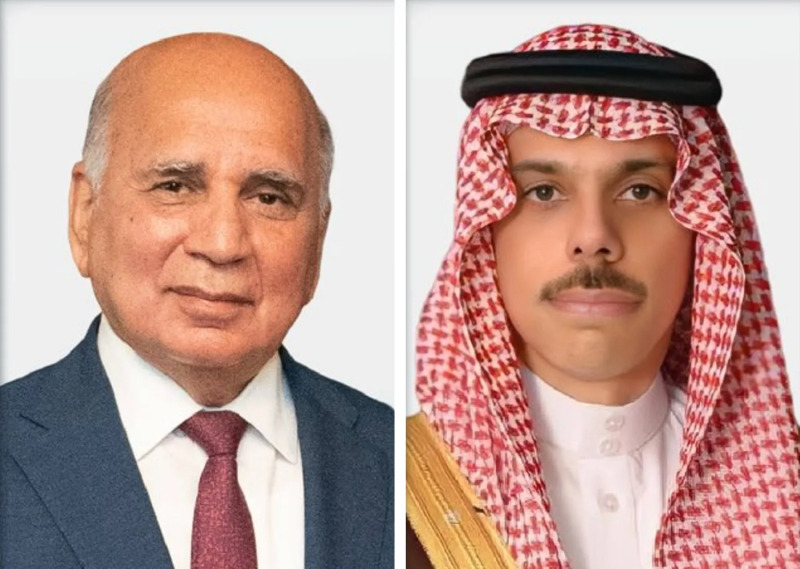

RIYADH — Saudi Arabian Foreign Minister Prince Faisal bin Farhan Al Saud and Iraqi Deputy Prime Minister and Foreign Minister Fuad Hussein discussed regional stability and ongoing diplomatic efforts during a phone call on Thursday. The conversation focused on current regional developments and their potential impact on both nations, signaling continued collaboration between Riyadh and Baghdad. This communication underscores the importance Saudi Arabia places on maintaining strong ties with its neighbors amid a complex geopolitical landscape.
The call took place on Thursday, according to a statement released by the Saudi Ministry of Foreign Affairs. Discussions centered on a broad range of issues, including shared concerns regarding conflicts in the Middle East and the broader international order. Both ministers reportedly emphasized the need for de-escalation and peaceful resolutions to ongoing disputes.
Saudi Arabia and Iraq: Strengthening Regional Diplomacy
The dialogue between Prince Faisal and Dr. Hussein highlights a growing trend of increased cooperation between Saudi Arabia and Iraq. Historically, relations between the two countries have been marked by periods of tension, but recent years have seen a concerted effort to rebuild trust and foster strategic partnerships. This shift is largely attributed to shared security concerns and a mutual desire for economic integration.
Recent Collaborative Efforts
Several initiatives demonstrate this strengthening relationship. In 2023, Saudi Arabia reopened its consulate in Baghdad after a 30-year closure, a symbolic gesture of renewed commitment. Additionally, both countries have been working to enhance trade and investment ties, with a focus on energy infrastructure and cross-border projects. The ministers likely discussed the progress of these initiatives during their call.
The conversation also likely addressed the ongoing conflict in Yemen. Saudi Arabia has been a key player in the Saudi-led coalition supporting the Yemeni government, while Iraq has maintained a neutral stance, attempting to mediate between the warring parties. The ministers may have explored potential avenues for a coordinated approach to achieving a lasting peace in Yemen, a key element of regional security.
Furthermore, the situation in Syria was likely a topic of discussion. Both Saudi Arabia and Iraq share concerns about the continued instability in Syria and the presence of extremist groups. The ministers may have exchanged views on how to address the humanitarian crisis and promote a political solution to the conflict. The impact of the Israel-Hamas conflict on the wider region was also likely addressed, given its significant implications for Middle East stability.
However, challenges remain. Iraq continues to grapple with its own internal political and economic difficulties, which could potentially impact its ability to fully participate in regional initiatives. Additionally, differing perspectives on certain regional issues, such as the role of Iran, could present obstacles to closer cooperation. The ministers’ discussion likely aimed to bridge these gaps and identify areas of common ground.
Meanwhile, the call comes at a time of heightened geopolitical tensions in the region, with ongoing concerns about Iranian influence and the potential for escalation. The United States has been actively engaged in diplomatic efforts to de-escalate tensions and promote stability, and Saudi Arabia and Iraq are both key partners in this effort. The ministers may have discussed the latest developments in these diplomatic initiatives.
In contrast to past periods of strained relations, the current dialogue between Saudi Arabia and Iraq reflects a pragmatic approach to foreign policy, prioritizing mutual interests and regional stability. This shift is driven by a recognition that cooperation is essential to addressing the complex challenges facing the Middle East. The focus on economic collaboration, such as the proposed land bridge connecting the two countries, further solidifies this trend.
The Saudi Ministry of Foreign Affairs indicated that both ministers reaffirmed their commitment to strengthening bilateral relations and working together to address common challenges. They also agreed to maintain close contact and continue to coordinate their efforts on regional and international issues. This ongoing communication is crucial for fostering trust and building a more stable and prosperous future for the region.
Looking ahead, further meetings and consultations between Saudi and Iraqi officials are expected in the coming weeks. The implementation of existing agreements, particularly those related to economic cooperation, will be a key focus. The success of these efforts will depend on continued political will and a commitment to addressing the underlying challenges that have historically hindered closer ties. Monitoring the progress of these initiatives and the evolving geopolitical landscape will be crucial for assessing the long-term impact of this renewed partnership on regional developments.