
Saudi Arabia’s Minister of Interior, Prince Abdulaziz bin Saud bin Naif, recently acknowledged the bravery of a security officer injured while on duty at the Grand Mosque in Makkah. The incident, which involved a man falling from an upper level, prompted a swift response from security personnel, resulting in injuries to soldier Rayan bin Saeed bin Yahya Al-Ahmad. The Minister’s call highlights the Kingdom’s commitment to the safety of worshippers and the well-being of its security forces.
The incident occurred as security forces were responding to a man who jumped from an upper level within the holy site. Soldier Al-Ahmad sustained injuries while attempting to mitigate the fall and prevent further harm. Both the officer and the individual who jumped were transported to a hospital for treatment, according to reports from the Saudi Ministry of Interior.
Ensuring Security at the Grand Mosque
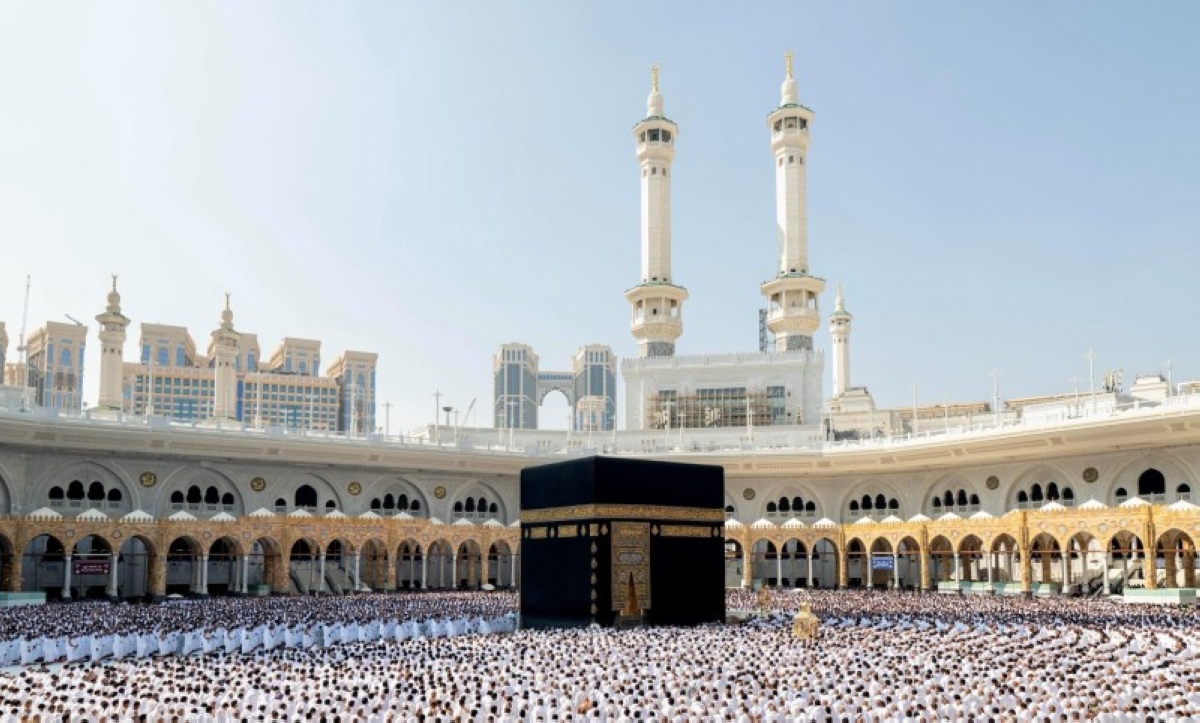
The Grand Mosque, Islam’s holiest site, experiences massive crowds, particularly during the annual Hajj pilgrimage and the month of Ramadan. Maintaining security within the complex is a significant undertaking, requiring a large and highly trained security force. The Saudi government has consistently invested in advanced security technologies and personnel training to manage these challenges effectively.
Prince Abdulaziz’s direct communication with Officer Al-Ahmad underscores the high regard in which Saudi security personnel are held. The Minister praised Al-Ahmad’s courage, vigilance, and professionalism, stating his actions exemplified the values of service to both religion and the nation. This recognition is a common practice within the Saudi security apparatus, designed to boost morale and reinforce dedication.
The Role of Security Forces During Hajj
The Hajj pilgrimage, which draws millions of Muslims from around the world, presents unique security considerations. These include crowd control, preventing criminal activity, and responding to medical emergencies. Security forces work in coordination with other government agencies, including health officials and civil defense, to ensure a safe and orderly pilgrimage experience.
Additionally, the Saudi government has implemented extensive surveillance systems throughout the Grand Mosque and surrounding areas. These systems utilize cameras and other sensors to monitor activity and identify potential threats. The Ministry of Interior regularly reviews and updates these security measures based on evolving circumstances and risk assessments.
The Minister emphasized that the Kingdom’s leadership provides ongoing support and attention to security personnel, acknowledging their crucial role in safeguarding the Grand Mosque and its visitors. This support includes access to advanced training, equipment, and healthcare services. He noted this backing serves as a powerful motivator for maintaining excellence in security operations.
The incident involving Officer Al-Ahmad is not isolated. Security personnel at the Grand Mosque frequently intervene in situations ranging from lost pilgrims to medical emergencies and, occasionally, attempts at self-harm. Their quick thinking and decisive actions are often credited with preventing more serious incidents.
While details surrounding the individual’s motives for jumping remain limited, the focus remains on providing care to both those involved and ensuring the continued safety of the holy site. The Saudi authorities have not released further information regarding the man’s condition or the circumstances leading to the incident.
The Kingdom has been bolstering its security measures at holy sites in recent years, partly in response to regional instability and the potential for extremist attacks. These efforts include increased patrols, enhanced screening procedures, and closer collaboration with international security partners. Pilgrim safety remains a top priority for the Saudi government.
The Ministry of Interior has confirmed that an investigation into the incident is underway. The investigation will likely focus on understanding the circumstances that led to the man’s attempt and identifying any potential gaps in security protocols. The findings of this investigation could lead to further adjustments in security procedures at the Grand Mosque.
Looking ahead, the Saudi government is expected to continue prioritizing security enhancements at the Grand Mosque, particularly as it prepares to welcome millions of pilgrims for the upcoming Hajj season. Further details regarding any changes to security protocols will likely be announced closer to the start of the pilgrimage. The long-term impact of this incident on security strategies remains to be seen, but it serves as a reminder of the constant vigilance required to protect this sacred space and those who visit it. The recovery of Officer Al-Ahmad and the results of the ongoing investigation will be key areas to watch in the coming weeks.
Related secondary keywords used include: Hajj pilgrimage, Makkah, Saudi Arabia.
The incident highlights the importance of crowd control measures at large gatherings.
The Saudi government’s investment in surveillance technology is also a key component of its security strategy.
The well-being of pilgrims is paramount to the Kingdom.