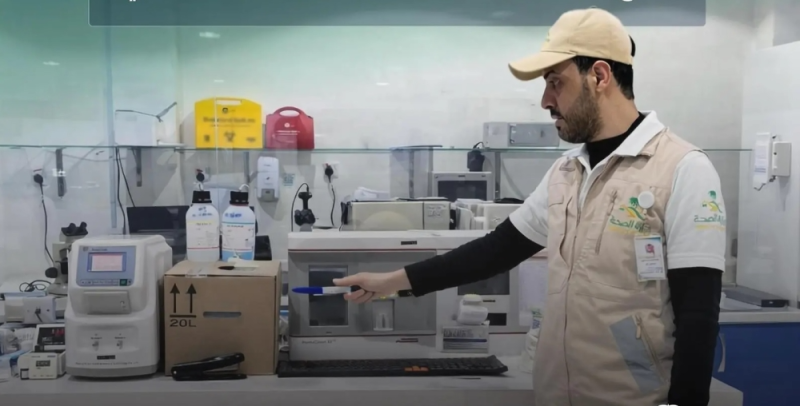

The Saudi Ministry of Health has initiated a series of nationwide inspections targeting medical screening centers serving expatriate workers and clinics focused on food sector employees. These campaigns, launched across the Kingdom, aim to bolster public health oversight and ensure strict adherence to established health regulations. The ministry stated the inspections are a proactive measure to safeguard public health and improve the quality of healthcare services.
The inspections began recently and will continue indefinitely, according to a ministry announcement. They are being conducted in all regions of Saudi Arabia, focusing on facilities providing mandatory health checks for expatriate workers and those involved in the food industry. The Ministry of Health has not specified the exact number of facilities to be inspected, but indicated a comprehensive approach.
Strengthening Oversight of Medical Screening Centers
The primary goal of these inspections is to enhance the accuracy and reliability of medical examinations performed on expatriate workers. These screenings are crucial for identifying and preventing the spread of communicable diseases within the Kingdom. According to the ministry, ensuring the integrity of these procedures is vital for maintaining public health security.
Key Areas of Focus
Inspectors are concentrating on several key areas during these visits. These include verifying that facilities are operating with fully licensed medical personnel and meeting minimum staffing requirements across all necessary medical specialties. Additionally, they are checking for compliance with regulations regarding the use of approved medical devices and products.
The ministry is also emphasizing the importance of adequate facilities, equipment, and workspace. All facilities must meet established health standards to ensure a safe and hygienic environment for both patients and staff. Furthermore, the inspections are confirming that all necessary regulatory permits are current and valid.
A critical component of the campaign is the enforcement of mandatory disease reporting. The Ministry of Health has reiterated that all infectious diseases must be reported through approved digital platforms. The issuance of health certificates without a proper, in-person medical examination is strictly prohibited.
These measures are directly linked to the Health Sector Transformation Program, a broader initiative aimed at modernizing and improving healthcare services throughout Saudi Arabia. The program seeks to enhance the efficiency, accessibility, and quality of care for all residents.
The focus on the food sector is particularly important, given the potential for foodborne illnesses to impact a large population. Clinics serving this sector are being scrutinized to ensure they are adhering to stringent hygiene and sanitation standards. This includes verifying proper food handling practices and employee health checks.
However, the Ministry of Health’s efforts extend beyond simply identifying violations. They also aim to provide guidance and support to facilities to help them achieve and maintain compliance. This proactive approach is intended to foster a culture of continuous improvement within the healthcare sector.
Meanwhile, the Ministry of Health is actively encouraging public participation in safeguarding public health. Citizens and residents are urged to report any suspected health violations through the unified contact center at 937. This allows for prompt investigation and corrective action.
The inspections are being conducted in accordance with existing legislation, including the Law on the Practice of Health Professions and the Private Health Institutions Law. These laws provide the legal framework for regulating healthcare facilities and ensuring the quality of care. The ministry is utilizing these legal tools to enforce compliance and address any identified shortcomings.
Relatedly, the Ministry has been increasing investment in digital health infrastructure to streamline reporting processes and improve data collection. This includes the development of online platforms for disease surveillance and health certificate verification. These technological advancements are intended to enhance the efficiency and effectiveness of public health monitoring.
In contrast to previous, less frequent inspections, this new initiative represents a significant escalation in regulatory oversight. The Ministry of Health has signaled its commitment to a more proactive and sustained approach to ensuring public health safety. This shift reflects a growing awareness of the importance of preventative healthcare measures.
The report indicates that the Ministry of Health will continue to assess the effectiveness of these inspection campaigns and make adjustments as needed. Future steps may include increased penalties for non-compliance and the implementation of more advanced monitoring technologies. The long-term impact of these measures on public health remains to be seen, but the Ministry anticipates a positive outcome.
Looking ahead, the Ministry of Health is expected to publish a comprehensive report detailing the findings of the initial inspection phase within the next quarter. This report will likely outline the number of facilities inspected, the types of violations identified, and the corrective actions taken. Stakeholders will be watching closely for any indications of systemic issues within the medical screening centers and food sector clinics.