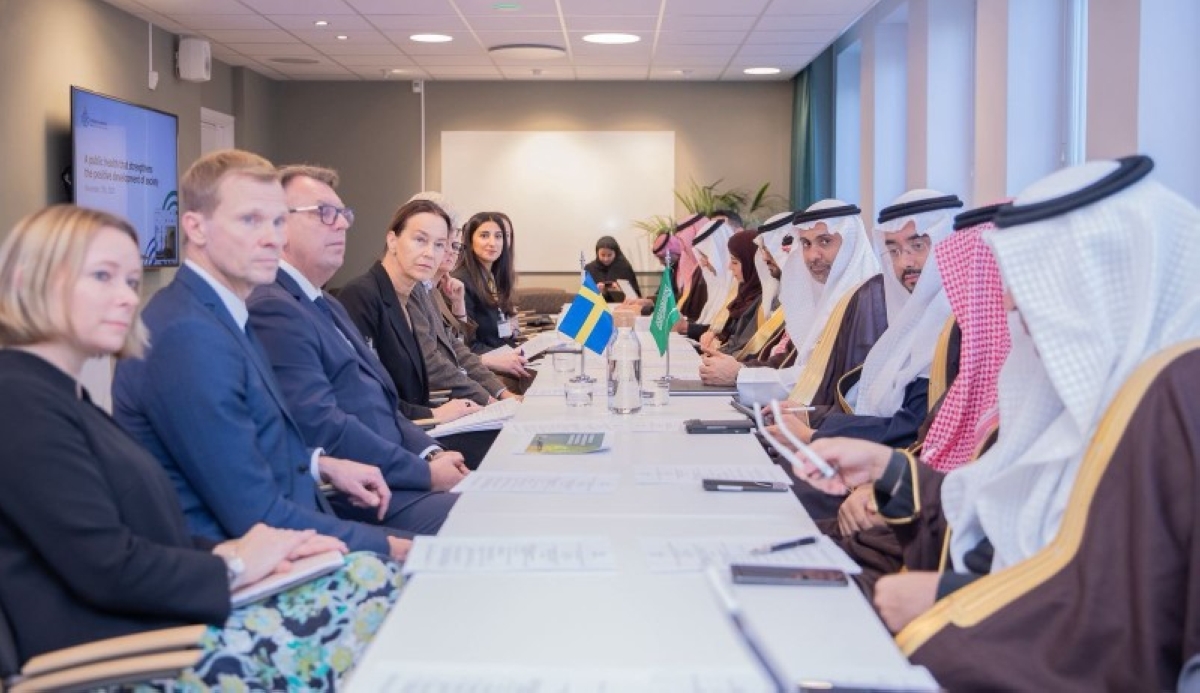

Saudi Arabia is bolstering its health cooperation with Sweden, aiming to modernize its healthcare system through innovation and investment. Health Minister Fahd Al-Jalajel recently concluded a visit to Sweden focused on strengthening bilateral ties in areas like digital health and advanced medical technologies. The trip, which concluded this week, signals a growing commitment to international partnerships for improving public health outcomes within the Kingdom.
The official visit saw Minister Al-Jalajel meet with key Swedish officials, including Foreign Minister Maria Stenergard and Minister of Health Care Elisabeth Lann. Discussions centered on collaborative strategies for global health challenges, with a particular emphasis on leveraging technology to enhance healthcare delivery and preventative measures. The meetings took place in Stockholm and surrounding areas, according to a statement released by the Saudi Ministry of Health.
Strengthening Saudi Arabia’s Healthcare Through International Collaboration
The Saudi government has identified healthcare as a key pillar in its Vision 2030 plan, which aims to diversify the economy and improve the quality of life for its citizens. This initiative includes significant investment in healthcare infrastructure and a drive to adopt cutting-edge medical technologies. The visit to Sweden represents a strategic move to access Swedish expertise in areas where the Kingdom seeks to accelerate development.
Focus on Digital Health and Innovation
A central theme of the discussions was the potential of digital health solutions. Sweden is a recognized leader in implementing digital healthcare systems, including virtual care platforms and electronic health records. The Saudi ministry indicated an interest in learning from Sweden’s experience to improve access to care, particularly in remote areas of the country.
Additionally, the delegation explored sustainable care models and strategies for enhancing preventative healthcare capabilities. These approaches are seen as crucial for reducing the burden of chronic diseases and improving overall population health. The integration of modern technologies into existing health systems was also a key point of conversation.
Research and Private Sector Partnerships
A significant outcome of the visit was the signing of a memorandum of understanding (MoU) with the Karolinska Institute, a leading medical university in Sweden. This agreement will facilitate joint research projects and the exchange of medical professionals and expertise. The ministry expects this collaboration to accelerate advancements in medical knowledge and treatment protocols.
Meanwhile, Minister Al-Jalajel engaged with representatives from AstraZeneca and Elekta, two prominent pharmaceutical and medical technology companies. Discussions focused on potential collaborations in advanced therapies, precision medicine, and cutting-edge radiological technologies. These partnerships could bring innovative treatments and diagnostic tools to Saudi Arabia.
The visit also included tours of several Swedish health institutions and research centers, including the Public Health Agency of Sweden, SALAR International, and the Swedish National Board of Health and Welfare. These site visits allowed the Saudi delegation to observe best practices in healthcare administration, public health management, and quality control. The goal was to identify strategies that could be adapted and implemented within the Saudi healthcare system.
However, implementing these changes will require careful planning and investment. Successfully integrating new technologies and adopting new care models will depend on factors such as workforce training, infrastructure development, and regulatory adjustments. The Saudi government acknowledges these challenges and is committed to addressing them through a phased approach.
The Kingdom’s interest in health cooperation extends beyond Sweden, with ongoing partnerships with other nations and organizations. This broader strategy reflects a recognition that addressing complex healthcare challenges requires a global effort. The Ministry of Health has been actively seeking opportunities for collaboration in areas such as medical tourism and healthcare investment.
Looking ahead, the Saudi Ministry of Health is expected to develop a detailed implementation plan based on the outcomes of the visit. This plan will outline specific initiatives, timelines, and resource allocations for advancing health cooperation with Sweden. The success of these initiatives will be measured by improvements in key health indicators and the adoption of innovative healthcare practices. Further details regarding the specific research projects under the MoU with the Karolinska Institute are anticipated within the next six months, and the Ministry will likely provide updates on progress with AstraZeneca and Elekta in the coming year.