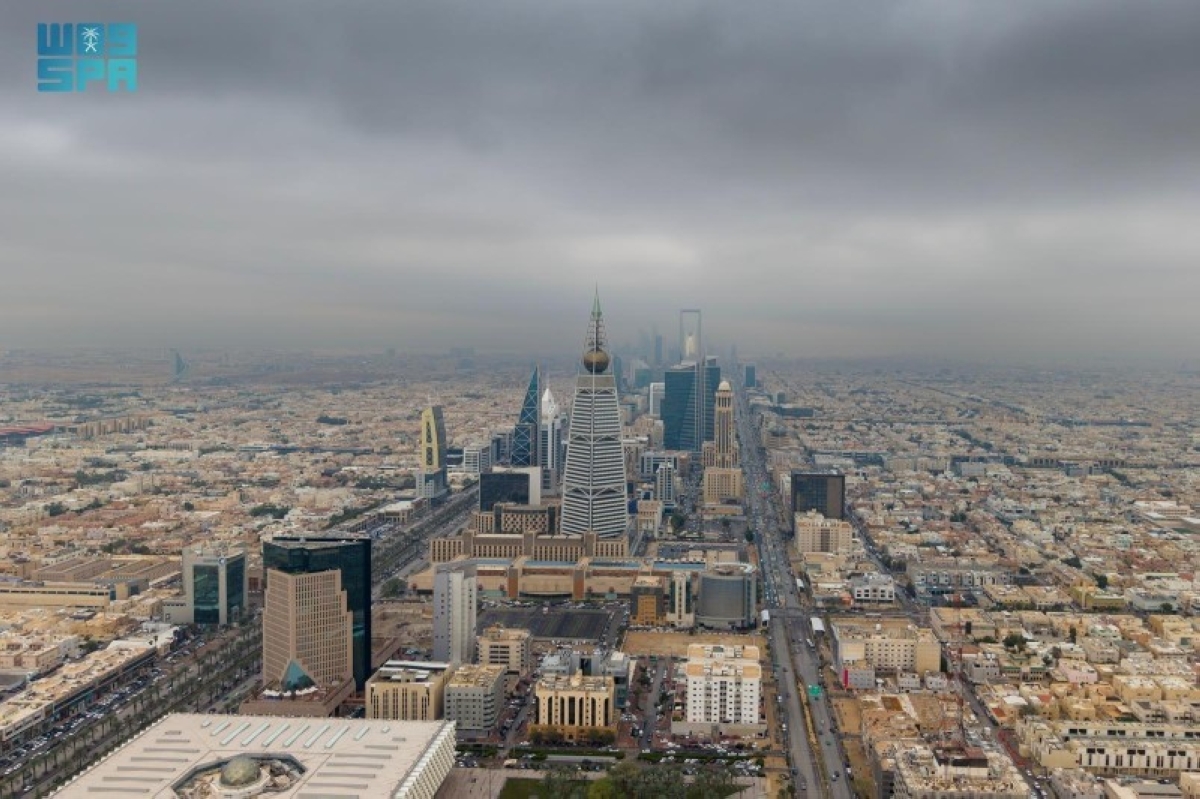

RIYADH — The Saudi government is taking significant steps to address housing affordability in the capital, offering residential land plots to eligible citizens at substantial discounts, up to 84% below current market values. This initiative, launched by the Royal Commission for Riyadh City, aims to stabilize the real estate market and alleviate the burden of rising housing costs for Saudi nationals. The first electronic lottery for these plots was conducted on Wednesday, marking a major milestone in the Kingdom’s housing strategy.
A total of 10,024 plots, encompassing 6.38 million square meters across eight Riyadh neighborhoods – Al-Qirawan, Al-Malqa, Al-Nakheel, Al-Narjis, Namar, Al-Rimayah, Al-Rimal, and Al-Janadriyah – were distributed. Each plot is 300 square meters and offered at a fixed price of SR1,500 per square meter, a considerable reduction compared to prevailing rates. This move is part of a larger effort to increase housing supply and improve access for citizens.
Addressing Riyadh’s Real Estate Imbalance with Affordable Residential Land
The program stems from Crown Prince Mohammed bin Salman’s comprehensive plan to restore balance to Riyadh’s real estate sector. Years of rapid growth have led to escalating land and rental prices, creating challenges for many Saudi families. According to reports from Al-Eqtisadiah newspaper, the discounts offered represent a significant financial benefit to recipients.
Discount Variations Across Neighborhoods
The level of discount varied depending on the location. Al-Qirawan saw the largest reduction at 84%, followed by Al-Malqa and Al-Narjis at 78%. Al-Rimal offered a 58% discount, while Al-Janadriyah had the smallest, at 16%. These price differences reflect existing market values within each neighborhood.
The offered price of SR1,500 per square meter is notably lower than Riyadh’s average land price of approximately SR3,200 per square meter. This substantial difference underscores the government’s commitment to making homeownership more attainable. The initiative is expected to have a ripple effect, potentially influencing prices in the wider property market.
However, the program includes stipulations designed to prevent speculation. Beneficiaries are prohibited from selling, renting, mortgaging, or otherwise disposing of the land for a period of ten years, with exceptions made only for construction financing. Any undeveloped plots after this period will be reclaimed by the Royal Commission, with the original land value refunded to the beneficiary.
Broader Real Estate Reforms
The discounted land program is just one component of a wider strategy to reshape Riyadh’s real estate landscape. Additional measures include lifting development restrictions on 81.48 square kilometers of land in northern Riyadh, a move intended to unlock further housing opportunities.
Additionally, the government is restructuring the white land fee system, aiming to incentivize landowners to develop vacant plots. A five-year freeze on residential rent increases has also been implemented to provide stability for renters. These combined efforts demonstrate a multi-faceted approach to tackling the housing challenge.
Authorities have committed to publishing regular reports on land and housing prices to ensure transparency and monitor the effectiveness of these initiatives. This data-driven approach will allow for adjustments and refinements to the program as needed. The goal is to create a more predictable and sustainable housing market.
Experts estimate that Riyadh needs between 100,000 and 130,000 new housing units each year to meet current and projected demand. The Royal Commission aims to deliver between 10,000 and 40,000 fully planned and developed residential plots annually over the next five years, all priced below SR1,500 per square meter. This ambitious target reflects the scale of the housing need.
The success of this program will likely be measured by its impact on affordability and the rate of new housing construction. Looking ahead, the Royal Commission is expected to announce further details regarding the allocation of future land plots and the implementation of the remaining components of the real estate balance strategy. Monitoring the development of these plots and the long-term impact on Riyadh’s property values will be crucial in assessing the overall effectiveness of the initiative.