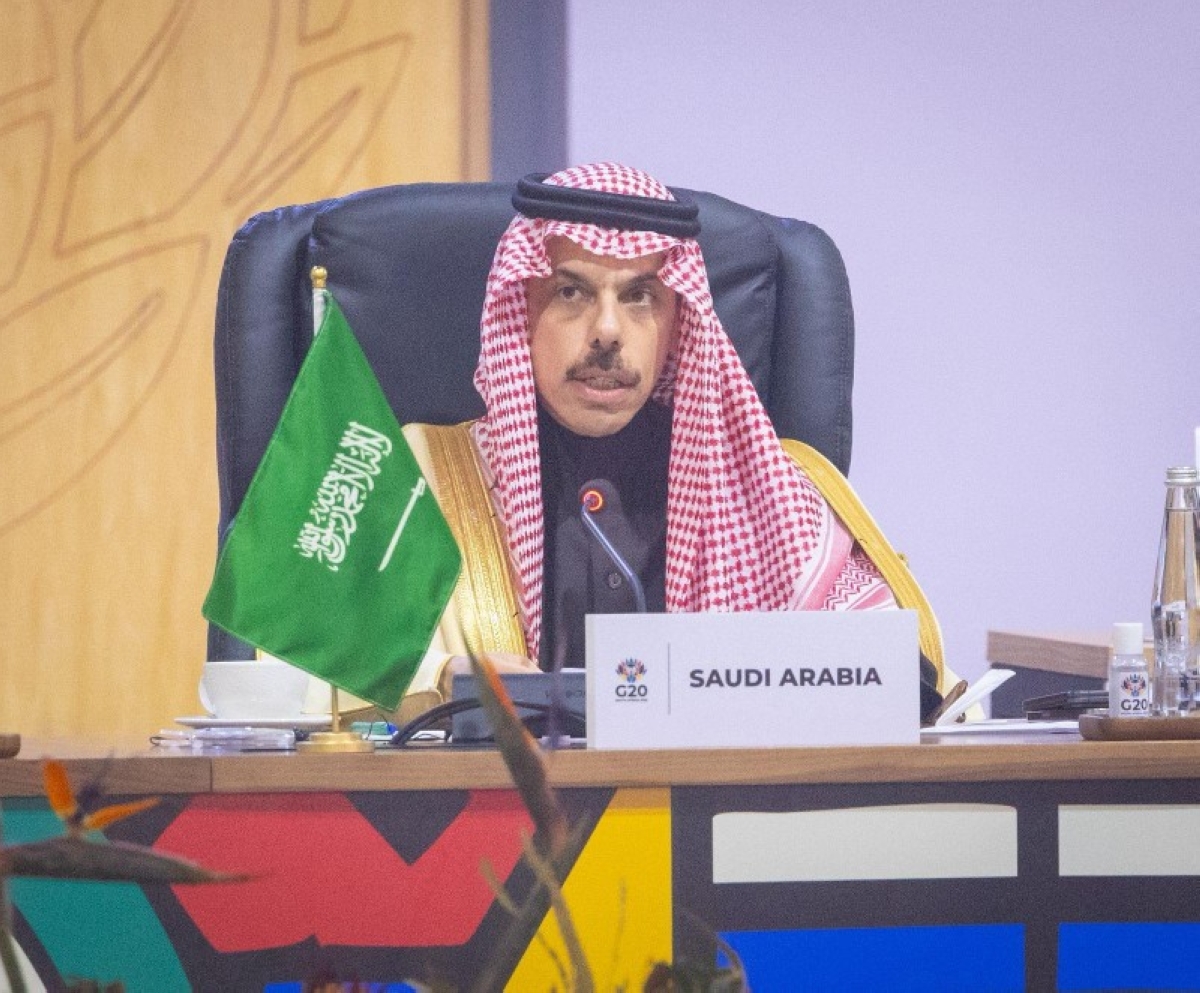

Saudi Arabia, represented by Foreign Minister Prince Faisal bin Farhan, actively participated in discussions at the G20 Leaders’ Summit in Johannesburg, South Africa, focusing on securing a fair and equitable future for critical minerals and the responsible development of artificial intelligence. The summit, held on Sunday, addressed the growing global need for these resources and the ethical considerations surrounding their extraction and use. The Kingdom’s involvement underscores its commitment to international cooperation on key economic and technological issues.
Prince Faisal’s participation included a panel discussion titled “A fair and equitable future for all critical minerals: decent work and artificial intelligence.” The summit, hosted under the South African presidency, aims to build upon previous G20 achievements and address pressing challenges faced by member states. Finance Minister Mohammed Al-Jadaan and Saudi G20 Sherpa Abdulmohsen Al-Khalaf also attended the session, demonstrating a unified Saudi approach to these global concerns.
The Importance of Critical Minerals in a Changing Global Landscape
The demand for critical minerals – including lithium, cobalt, nickel, and rare earth elements – is surging due to the global transition to green energy technologies. These materials are essential components in electric vehicle batteries, wind turbines, solar panels, and other clean energy solutions. However, the supply chains for these minerals are often concentrated in a few countries, raising concerns about geopolitical risks and potential disruptions.
According to recent reports from the International Energy Agency, the world will need significantly increased quantities of these minerals to meet climate goals. This increased demand necessitates a focus on responsible sourcing, sustainable extraction practices, and diversification of supply chains. The G20 summit provided a platform to discuss strategies for achieving these objectives.
Saudi Arabia’s Role in Diversifying Mineral Supply
Saudi Arabia is actively exploring its own mineral resources and seeking to become a key player in the global supply chain. The Kingdom has identified significant deposits of various minerals, including phosphate, gold, and copper, and is investing in exploration and extraction projects. This diversification strategy aims to reduce reliance on traditional suppliers and enhance energy security.
Additionally, Saudi Arabia is emphasizing the importance of environmental protection and responsible mining practices. The Ministry of Industry and Mineral Resources has outlined plans to implement stringent environmental regulations and promote sustainable development in the mining sector. This commitment aligns with the G20’s focus on balancing economic growth with environmental sustainability.
Artificial Intelligence: A Driver of Innovation and a Source of Ethical Concerns
Prince Faisal highlighted Saudi Arabia’s view of artificial intelligence (AI) as a crucial driver of innovation and resource efficiency. The Kingdom recognizes the potential of AI to transform various sectors, including energy, healthcare, and finance. However, he also stressed the need for responsible AI development and governance.
The Foreign Minister emphasized the importance of international dialogue and cooperation in establishing a fair and inclusive framework for AI. This framework should address issues such as consumer protection, intellectual property rights, and adherence to international law. The G20 discussions aimed to foster a common understanding of these challenges and identify potential solutions.
Balancing Innovation with Responsible AI Governance
The rapid advancement of artificial intelligence raises ethical concerns about bias, transparency, and accountability. Experts warn that biased algorithms can perpetuate existing inequalities, while a lack of transparency can erode public trust. The G20 summit provided a forum to discuss these risks and explore ways to mitigate them.
Meanwhile, the protection of intellectual property is also a key consideration in the development of AI. Companies need to be incentivized to invest in AI research and development, and their intellectual property rights must be safeguarded. Finding the right balance between innovation and protection is crucial for fostering a thriving AI ecosystem.
Saudi Arabia’s commitment to working with G20 members reflects a broader global effort to address the challenges and opportunities presented by these emerging technologies. The Kingdom’s participation in the summit underscores its dedication to building a more inclusive and sustainable global economic system.
Looking ahead, the G20 will continue to work on developing concrete recommendations for ensuring a fair and equitable future for critical minerals and the responsible development of AI. A detailed report outlining these recommendations is expected to be released in the coming months. The effectiveness of these recommendations will depend on the willingness of member states to implement them and cooperate on a global scale. Further monitoring of national policies and international agreements will be essential to assess progress and address any emerging challenges.