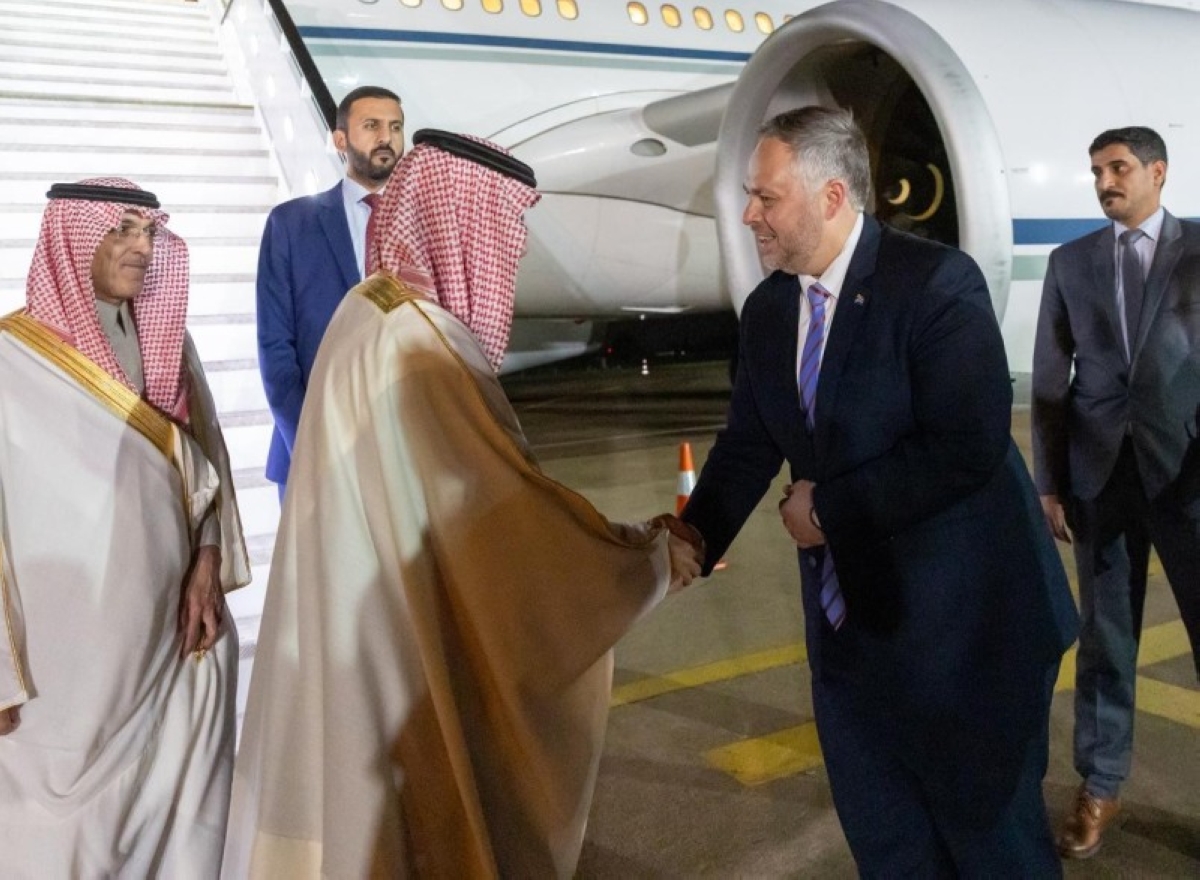

Saudi Foreign Minister Prince Faisal bin Farhan arrived in Johannesburg, South Africa, on Friday to represent the Kingdom at the G20 Leaders’ Summit. The delegation, led by the Prince on behalf of Crown Prince and Prime Minister Mohammed bin Salman, includes key economic figures as global leaders convene to address pressing international challenges. The summit, taking place August 22-24, aims to foster collaboration on issues ranging from economic stability to climate change.
The Saudi delegation also comprises Minister of Finance Mohammed Al-Jadaan and Deputy Minister of Finance Abdulmohsen Al-Khalaf, who will serve as the Kingdom’s sherpa during the discussions. This high-level representation underscores Saudi Arabia’s commitment to multilateral efforts in navigating a complex global landscape. The G20 summit is a critical forum for coordinating policy responses to shared economic and geopolitical risks.
The Focus of the G20 Leaders’ Summit
The 2023 G20 Leaders’ Summit is centered on addressing major global economic and development challenges, according to the South African presidency. These challenges include the ongoing impacts of geopolitical conflicts, rising debt levels in developing nations, and the accelerating effects of climate change. The summit’s agenda reflects a growing consensus on the need for strengthened international cooperation to achieve sustainable solutions.
Geopolitical and Economic Concerns
Geopolitical crises, particularly the war in Ukraine and tensions in other regions, are expected to dominate discussions. These conflicts have disrupted supply chains, fueled inflation, and increased uncertainty in the global economy. The International Monetary Fund (IMF) recently warned of slowing global growth, citing these factors as key contributors.
Additionally, the summit will address the issue of debt relief for vulnerable countries. Many developing nations are struggling with unsustainable debt burdens, hindering their ability to invest in essential services and achieve long-term economic growth. Proposals for debt restructuring and increased financial assistance are anticipated to be on the table.
Climate Change and Sustainable Development
Climate change remains a central concern for the G20. Discussions are expected to focus on accelerating the transition to clean energy, mobilizing climate finance for developing countries, and enhancing adaptation measures. The summit will likely address the implementation of the Paris Agreement and the need for more ambitious emissions reduction targets. Sustainable development goals, including poverty reduction and improved healthcare access, will also be a key focus.
However, achieving consensus on climate-related issues can be challenging, as member states have differing priorities and levels of economic development. Negotiations are expected to be complex, requiring compromise and a commitment to shared responsibility.
Saudi Arabia’s Role in Global Economic Governance
Saudi Arabia, as a leading global economy and a member of the G20, plays a significant role in shaping the international economic agenda. The Kingdom has been actively involved in initiatives to promote financial stability, enhance energy security, and foster sustainable development. Saudi Arabia’s Vision 2030, a comprehensive economic diversification plan, aligns with the G20’s goals of inclusive and sustainable growth.
The Saudi delegation’s participation in the summit underscores the Kingdom’s commitment to multilateralism and its willingness to contribute to global solutions. The Ministry of Finance has previously stated its support for strengthening the G20’s role in addressing global economic challenges. Furthermore, Saudi Arabia has been a vocal advocate for increased investment in renewable energy and climate-resilient infrastructure.
Meanwhile, the Kingdom’s position as a major oil producer also places it at the center of discussions regarding energy markets and the transition to a low-carbon economy. Balancing energy security with climate goals is a complex challenge that requires careful consideration and international cooperation. The G20 summit provides a platform for dialogue and collaboration on these critical issues.
In contrast to some nations, Saudi Arabia has pledged significant financial contributions to international climate funds, demonstrating its commitment to addressing the climate crisis. This commitment is expected to be highlighted during the summit discussions. The Kingdom’s investments in green technologies and sustainable projects are also gaining prominence.
The summit’s outcomes will be formalized in a joint communiqué, outlining the agreed-upon commitments and policy directions. The communiqué will serve as a roadmap for international cooperation in the coming year. The effectiveness of these commitments will depend on the willingness of member states to implement them domestically and to work together to address shared challenges.
Looking ahead, the success of the G20 Leaders’ Summit will be measured by its ability to deliver concrete actions and tangible results. The next steps involve translating the summit’s commitments into national policies and fostering greater collaboration among G20 members. Monitoring the implementation of these commitments and assessing their impact on the global economy and sustainable development will be crucial in the months and years to come. The Indian presidency will hand over to Brazil in December 2023, and the focus of the agenda may shift accordingly.