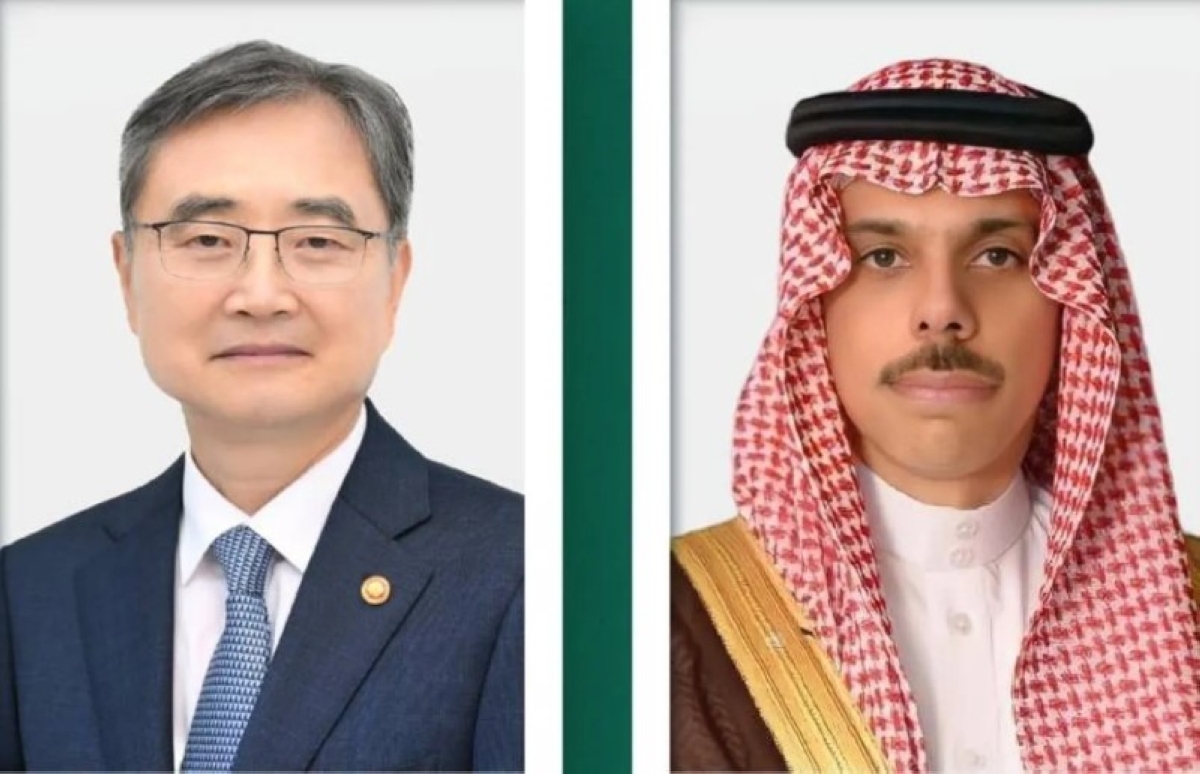

Saudi Arabian Foreign Minister Prince Faisal bin Farhan Al Saud engaged in diplomatic discussions with his counterparts from South Korea and Brunei on Thursday, focusing on strengthening bilateral relations and addressing regional concerns. The calls with Korean Foreign Minister Cho Hyun and Bruneian Foreign Minister Dato Erywan Pehin Yusof underscore Saudi Arabia’s continued efforts to foster international cooperation and maintain stability in the Middle East and beyond. These conversations took place as Saudi Arabia pursues its Vision 2030 economic diversification plan.
The Ministry of Foreign Affairs confirmed both phone calls occurred on Thursday, though specific details of the discussions were not immediately released. Both conversations centered on reviewing existing ties and exploring areas for enhanced collaboration, according to official statements. The timing of these calls suggests a proactive approach to maintaining diplomatic momentum amidst evolving geopolitical landscapes.
Strengthening Saudi Arabia’s Bilateral Relations
Saudi Arabia has been actively working to diversify its international partnerships, moving beyond traditional alliances. This strategy is a key component of Vision 2030, which aims to reduce the Kingdom’s reliance on oil revenue and build a more sustainable, diversified economy. Developing stronger bilateral relations with countries in Asia, like South Korea and Brunei, is seen as crucial to achieving these goals.
Focus on Economic Cooperation
With South Korea, the discussions likely touched upon existing economic partnerships, particularly in the energy sector. South Korea is a major importer of Saudi Arabian oil, and there is growing interest in collaboration on renewable energy projects. The report indicates potential discussions around Korean investment in Saudi Arabia’s burgeoning technology and infrastructure sectors.
Regional Security Concerns
The calls also likely addressed regional security issues, including ongoing conflicts and maritime security in the Gulf region. Saudi Arabia and South Korea share concerns about maintaining stability in vital shipping lanes, and both countries have a vested interest in de-escalating tensions. Additionally, the ministers may have discussed the situation in Yemen and efforts to achieve a lasting political solution.
The conversation with Brunei’s Foreign Minister likely focused on strengthening ties within the framework of the Gulf Cooperation Council (GCC) and ASEAN. Brunei currently chairs ASEAN, and Saudi Arabia is seeking to deepen its engagement with Southeast Asian nations. This engagement is part of a broader strategy to build a network of partnerships across Asia.
Brunei and Saudi Arabia: A Growing Partnership
While trade volume between Saudi Arabia and Brunei is currently smaller than with other Asian partners, the relationship is considered strategically important. Both nations are members of the Organization of Islamic Cooperation (OIC) and share common values. The Ministry of Foreign Affairs has previously emphasized the importance of exploring new avenues for cooperation with Brunei, particularly in areas like investment and tourism.
However, the specific agenda items discussed during the call with Brunei remain largely undisclosed. It is reasonable to assume that discussions included updates on regional developments and potential collaboration on issues of mutual concern within the OIC framework. The Kingdom is also seeking to increase foreign direct investment, and Brunei’s sovereign wealth fund could be a potential source of capital.
In contrast to some other regional diplomatic efforts, these calls appear to be largely focused on maintaining existing relationships and exploring incremental improvements. There were no announcements of major new agreements or initiatives following the conversations. This suggests a pragmatic approach to diplomacy, prioritizing steady progress over dramatic breakthroughs.
The Saudi Ministry of Foreign Affairs has not indicated any immediate follow-up meetings or negotiations. However, officials are expected to continue engaging with their counterparts from South Korea and Brunei through established diplomatic channels. The next significant opportunity for high-level engagement will likely be during upcoming international forums and conferences, such as the United Nations General Assembly. Monitoring future statements from the Ministry of Foreign Affairs and observing any shifts in trade or investment patterns will be key to understanding the long-term implications of these bilateral relations and Saudi Arabia’s evolving foreign policy.
The success of these diplomatic efforts will depend on a number of factors, including regional stability and the willingness of all parties to engage in constructive dialogue. Continued engagement with key partners like South Korea and Brunei is expected to remain a priority for Saudi Arabia as it navigates a complex and rapidly changing geopolitical landscape. Further analysis of Saudi Arabia’s foreign policy and its impact on regional dynamics will be crucial in the coming months. The development of these international partnerships is a key indicator of the Kingdom’s broader strategic objectives.