

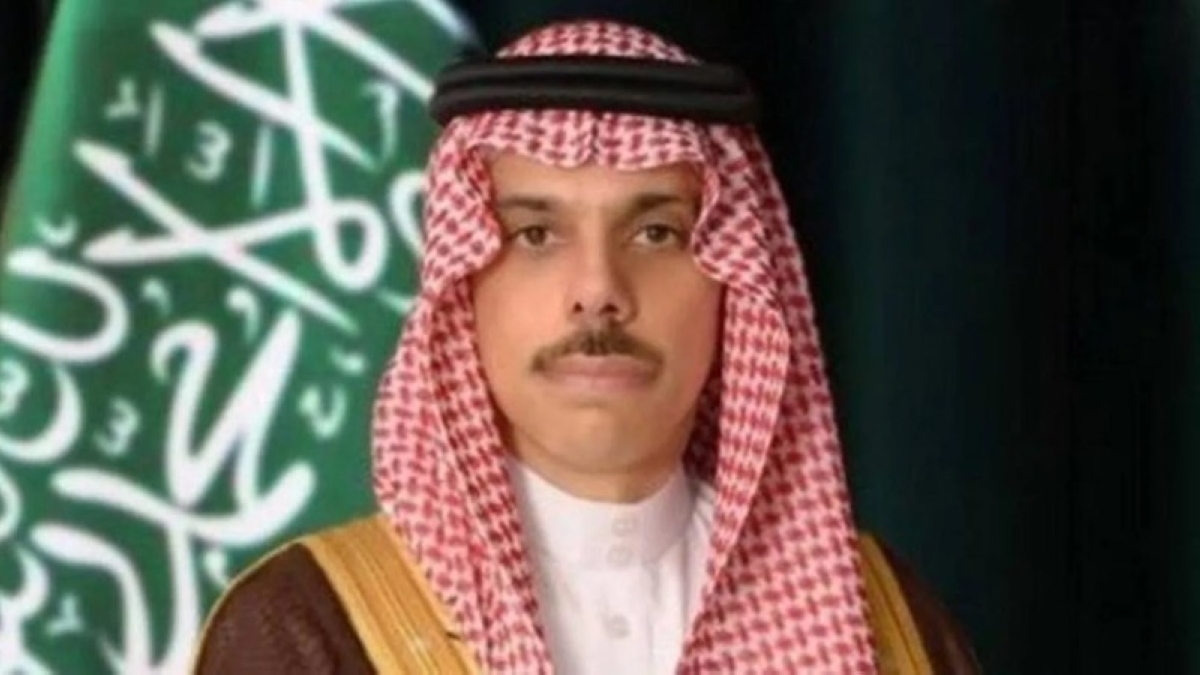

RIYADH — Prince Faisal bin Farhan, Saudi Arabia’s Minister of Foreign Affairs, spoke with Mirjana Spoljaric Egger, President of the International Committee of the Red Cross (ICRC), on Sunday. The discussion centered on bolstering humanitarian aid cooperation and addressing evolving global challenges, according to a statement released by the Saudi Ministry of Foreign Affairs. The phone call underscores Saudi Arabia’s consistent engagement with international organizations on issues of global concern.
The conversation took place as both Saudi Arabia and the ICRC navigate complex humanitarian landscapes. While the specific timing of the call wasn’t disclosed, it aligns with increased international focus on conflicts and crises requiring substantial relief efforts. The Saudi minister and the ICRC president reviewed current international and regional events, hinting at potential areas of mutual concern and coordination.
Saudi Arabia and the ICRC: A History of Humanitarian Cooperation
Saudi Arabia has a long-standing relationship with the International Committee of the Red Cross, frequently contributing financial support to its global operations. This assistance is typically channeled through the King Salman Humanitarian Aid & Relief Centre (KSrelief), the Kingdom’s primary arm for delivering aid. According to KSrelief, the nation has provided billions of dollars in aid to countries worldwide, supporting projects related to health, nutrition, shelter, and more.
Recent Aid Initiatives
Recent relief efforts supported by Saudi Arabia extend to numerous countries facing crises, including Yemen, Syria, Pakistan, and Türkiye. KSrelief has implemented programs addressing food security, providing medical care, and assisting displaced populations in these regions. While the focus shifts based on immediate need, the underlying commitment to alleviating suffering remains constant.
The ICRC’s mandate focuses on protecting and assisting victims of armed conflict and other violence. The organization operates independently and neutrally, providing essential services such as medical assistance, water and sanitation, and protection to those affected by conflict. This often necessitates navigating challenging security situations and maintaining impartiality in aid delivery.
The areas of collaboration between Saudi Arabia and the ICRC are not limited to financial contributions. The two entities frequently engage in dialogue regarding access to conflict zones, the protection of humanitarian workers, and the implementation of international humanitarian law. This diplomatic engagement is considered crucial for ensuring effective aid delivery and minimizing risks to those involved. Furthermore, the Kingdom often facilitates logistical support for ICRC operations in the region.
However, Saudi Arabia’s own human rights record has faced scrutiny from international bodies, including some criticisms related to its military interventions and domestic policies. This context sometimes adds complexity to its humanitarian engagements, as some observers question the motivations behind its aid efforts. Despite these critiques, the scale of Saudi Arabia’s financial contributions to humanitarian organizations remains significant.
Meanwhile, the ICRC is currently facing unprecedented funding challenges. Demand for its services is growing due to escalating conflicts around the globe, while contributions from donor nations have not kept pace. Spoljaric Egger has repeatedly emphasized the urgency of addressing this funding gap to enable the ICRC to continue its life-saving work. This context likely informed her discussion with Prince Faisal, potentially seeking continued or enhanced support from Saudi Arabia.
The call also occurred amid heightened geopolitical tensions. Conflicts in Ukraine, Sudan, and the ongoing situation in the Middle East present substantial humanitarian crises. Managing these crises requires close collaboration between international actors, including states like Saudi Arabia and organizations like the ICRC. The international humanitarian community is working to address urgent needs while seeking long-term solutions to displacement and instability.
In contrast to some nations, Saudi Arabia has maintained open diplomatic channels with a wide range of countries, even those involved in conflict. This approach allows it to play a mediating role in some disputes and to advocate for humanitarian access to affected populations. The Ministry of Foreign Affairs often highlights the Kingdom’s commitment to peaceful resolutions and regional stability.
The discussion likely touched upon the complexities of delivering humanitarian assistance in Yemen, where the ICRC has a significant presence. Despite ongoing ceasefires and peace talks, the country continues to grapple with widespread hunger and a collapsing healthcare system. Ensuring safe and unimpeded access for humanitarian workers remains a major challenge in Yemen, a point frequently raised by the ICRC and Saudi partners.
The call represents a continuation of ongoing communication between Saudi Arabia and the ICRC. Regular dialogue is considered key to identifying emerging humanitarian needs and coordinating responses. It’s also a signal of Saudi Arabia’s willingness to engage with international organizations on issues of shared concern. The Kingdom’s role as a major oil producer and regional power gives it significant leverage in international affairs.
Looking ahead, further details about specific commitments or agreements resulting from the phone call are anticipated. The extent of future Saudi financial support for ICRC operations and its willingness to facilitate further access negotiations will be key indicators of the evolving relationship. The ongoing conflicts and disasters around the world will continue to require significant humanitarian aid resources, and the engagement of key players like Saudi Arabia will remain critical.
The Saudi Ministry of Foreign Affairs has not announced any upcoming meetings between Prince Faisal and Ms. Spoljaric Egger, but continued communication is expected given the shared priorities. Observers will watch closely for any announcements relating to increased funding, improved access for aid workers, or new initiatives aimed at addressing humanitarian crises.