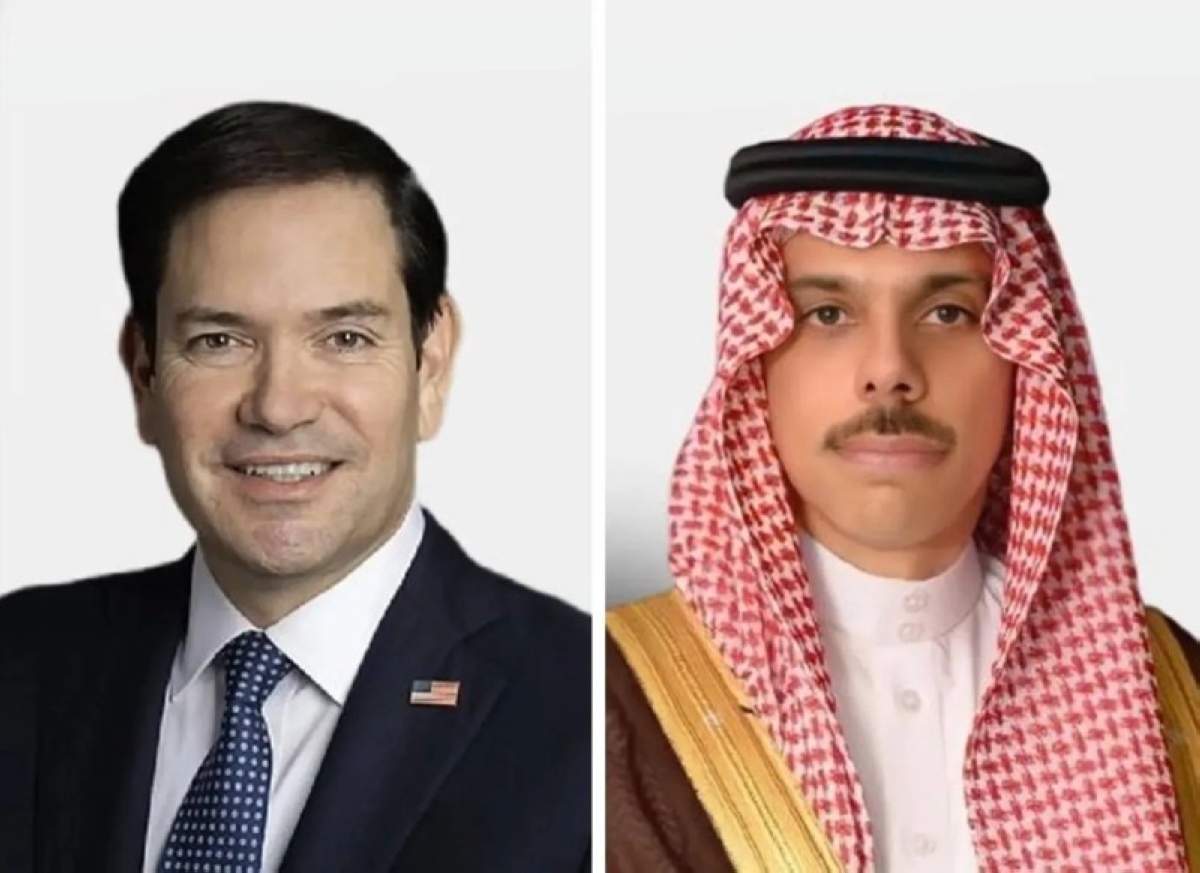

RIYADH — Saudi Arabia is actively engaging in diplomatic efforts to address escalating regional tensions, as evidenced by recent phone conversations between Foreign Minister Prince Faisal bin Farhan and key international counterparts. Discussions focused on a range of critical issues, including the situations in Syria and broader regional developments, signaling Riyadh’s commitment to de-escalation and stability. These talks occurred on Monday and involved officials from the United States, Turkiye, Pakistan, Jordan, and Oman.
Prince Faisal spoke with US Secretary of State Antony Blinken, Turkish Foreign Minister Hakan Fidan, Pakistan’s Deputy Prime Minister and Foreign Minister Ishaq Dar, Jordan’s Deputy Prime Minister and Foreign Minister Ayman Safadi, and Oman’s Foreign Minister Badr bin Hamad bin Hamoud Al Busaidi. The Saudi Ministry of Foreign Affairs confirmed the calls, stating that mutual interests and collaborative approaches to regional challenges were central to the conversations. A separate call was also held with the United States Envoy to Syria, Tom Barrack.
Saudi Arabia’s Role in Current Regional Developments
These diplomatic initiatives come at a time of heightened volatility in the Middle East, particularly following recent events in the Red Sea and the ongoing conflict in Gaza. Saudi Arabia has consistently advocated for a peaceful resolution to conflicts in the region and has positioned itself as a mediator between various parties. The Kingdom’s economic and political influence make it a crucial player in any attempt to stabilize the area.
The discussions with US Secretary of State Blinken likely centered on the security situation in the Red Sea, where Houthi rebels in Yemen have been attacking commercial vessels. The United States has launched Operation Prosperity Guardian, a multinational security initiative, to protect shipping lanes, and Saudi Arabia’s cooperation is considered vital. The ministry indicated alignment on the need to safeguard maritime trade.
Meanwhile, the conversation with Turkish Foreign Minister Fidan likely addressed the evolving dynamics in Syria, as well as broader concerns about regional security. Turkiye has a significant military presence in northern Syria and has been involved in efforts to combat Kurdish militant groups. Saudi Arabia has been gradually re-engaging with the Syrian government, a move that has been closely watched by regional actors.
Focus on Pakistan and Jordan
The calls with Pakistani and Jordanian officials underscore Saudi Arabia’s commitment to strengthening bilateral ties and coordinating on regional issues. Pakistan is a key ally of Saudi Arabia, and the two countries have close economic and military ties. The discussion with Ishaq Dar likely touched upon economic cooperation and security collaboration.
Jordan, a stable and influential country in the Levant, plays a critical role in regional diplomacy. Ayman Safadi and Prince Faisal likely discussed the situation in Gaza and the potential for a broader regional escalation. Jordan shares Saudi Arabia’s concerns about the humanitarian crisis in Gaza and the need for a ceasefire.
Syria and Oman in the Dialogue
The separate call with US Envoy to Syria, Tom Barrack, highlights the continued importance of the Syrian issue in regional calculations. While the situation in Syria remains complex and challenging, Saudi Arabia has been exploring ways to facilitate a political solution. The report indicates a focus on humanitarian access and de-escalation efforts.
Additionally, the conversation with Omani Foreign Minister Al Busaidi reflects Oman’s longstanding role as a neutral mediator in regional conflicts. Oman has maintained good relations with all sides of the disputes and has often served as a discreet channel for communication. This dialogue likely explored potential avenues for de-escalation in Yemen and other areas of concern. Oman’s mediation efforts are often seen as complementary to Saudi Arabia’s broader diplomatic initiatives.
These diplomatic engagements are part of a broader Saudi effort to prevent further escalation in the region and to promote a more stable and secure environment. The Kingdom has been actively working with other countries to address the root causes of conflict and to find peaceful solutions to outstanding issues. The recent normalization of relations between Saudi Arabia and Iran, brokered by China, is seen as a positive step in this direction, though challenges remain.
The Saudi government has expressed concern over the potential for the conflict in Gaza to spread to other parts of the region. Officials have repeatedly called for a ceasefire and for the delivery of humanitarian aid to the Gaza Strip. They have also warned against any actions that could further destabilize the region, such as attacks on civilian infrastructure. The situation in the Red Sea, with its impact on global trade, adds another layer of complexity to the regional landscape.
Looking ahead, further diplomatic activity is expected as Saudi Arabia continues to engage with regional and international partners. The focus will likely remain on de-escalation, humanitarian assistance, and finding a political solution to the conflicts in Syria, Yemen, and Palestine. The outcome of these efforts remains uncertain, but Saudi Arabia’s continued engagement is seen as a crucial factor in shaping the future of the region. Monitoring the next steps taken by the involved parties, particularly regarding the Red Sea security initiative and potential ceasefire negotiations in Gaza, will be key to understanding the evolving situation.