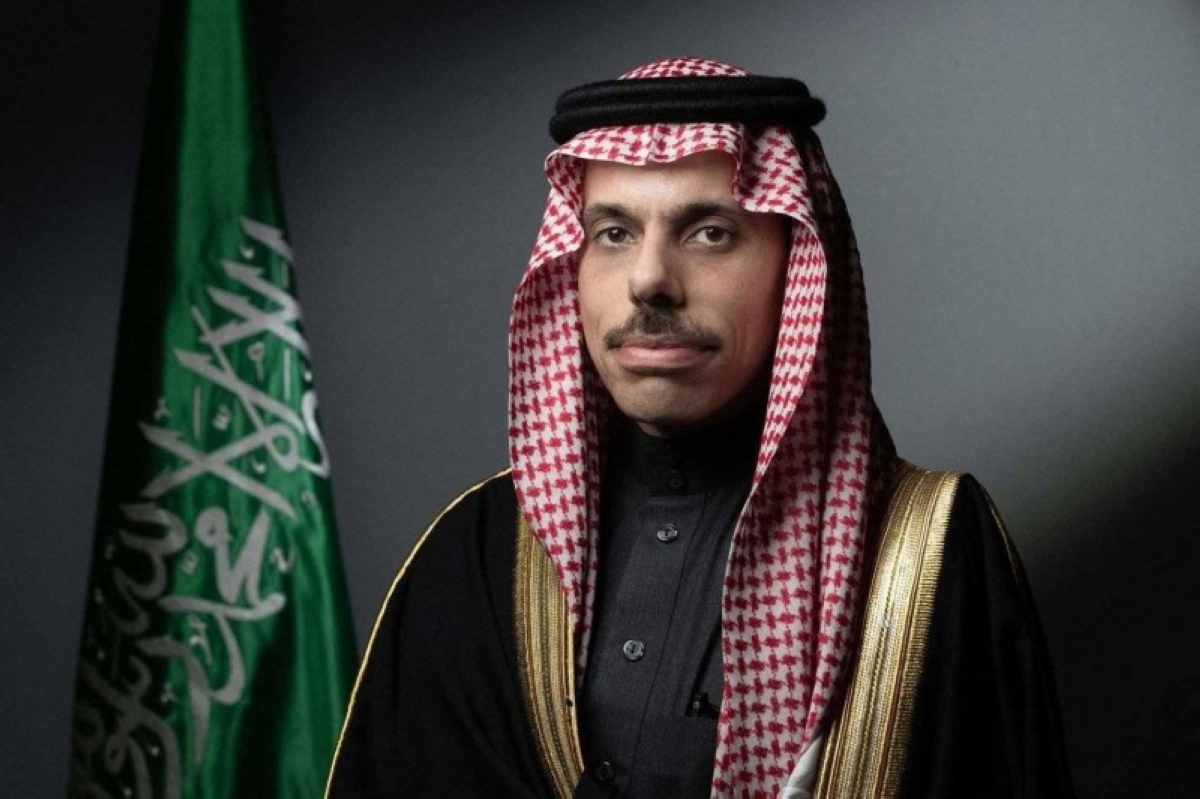

RIYADH — Saudi Arabia is actively engaging in diplomatic efforts to de-escalate regional tensions, as evidenced by recent phone calls between Foreign Minister Prince Faisal bin Farhan and his counterparts in Pakistan and Turkey. The discussions, held Friday, focused on the evolving security landscape and collaborative strategies for promoting regional stability. These conversations underscore Saudi Arabia’s commitment to proactive diplomacy amidst ongoing conflicts and geopolitical shifts.
Prince Faisal spoke with Pakistan’s Deputy Prime Minister and Foreign Minister Mohammad Ishaq Dar, and Turkish Foreign Minister Hakan Fidan, according to statements released by the Saudi Ministry of Foreign Affairs. The calls centered on the latest regional developments and the importance of joint initiatives to foster peace and security. The timing of these discussions is particularly noteworthy given escalating concerns in several areas of the Middle East and South Asia.
Saudi Arabia’s Push for Regional Stability
Saudi Arabia has long positioned itself as a key mediator in regional disputes, and these phone calls represent a continuation of that role. The Kingdom’s foreign policy increasingly emphasizes preventative diplomacy and collaborative security frameworks. This approach is driven by a desire to protect its own interests and to mitigate the potential for wider conflicts that could destabilize the broader region.
Focus on De-escalation
The specific details of the conversations were not disclosed, but the ministry indicated that the ministers exchanged views on current challenges. These likely included the situation in Gaza, the ongoing conflict in Yemen, and broader concerns about Iranian influence in the region. The emphasis on “joint efforts” suggests a coordinated approach to addressing these issues.
However, achieving lasting stability requires navigating complex relationships and differing priorities among regional actors. Pakistan and Turkey are both important allies of Saudi Arabia, but they also maintain independent foreign policies and strategic interests. Successfully aligning these interests is crucial for any collaborative effort to succeed.
Strengthening Bilateral Ties
Beyond the immediate security concerns, these calls also served to reinforce bilateral relationships. Saudi Arabia and Pakistan enjoy a close economic and military partnership, with Pakistan providing significant manpower for Saudi security forces. Similarly, Saudi Arabia and Turkey have been working to mend ties after a period of strained relations, focusing on increased trade and investment.
Additionally, the discussions likely touched upon economic cooperation and potential investment opportunities. Saudi Arabia’s Vision 2030 diversification plan seeks to attract foreign investment and strengthen economic ties with key partners like Pakistan and Turkey. These economic links can contribute to long-term stability by fostering mutual interdependence.
Meanwhile, the situation in Yemen remains a significant concern for Saudi Arabia. The Kingdom has been involved in a military intervention in Yemen since 2015, supporting the internationally recognized government against the Houthi rebels. Finding a sustainable political solution to the conflict in Yemen is a key priority for Saudi Arabia, and it likely sought input from Pakistan and Turkey on potential avenues for progress.
In contrast to previous approaches, Saudi Arabia is increasingly prioritizing diplomatic solutions over purely military ones. This shift reflects a recognition that military interventions can be costly and counterproductive, and that lasting peace requires addressing the underlying political and economic grievances that fuel conflict. The recent normalization of relations between Saudi Arabia and Iran, brokered by China, exemplifies this new approach.
The ongoing conflict between Israel and Hamas also undoubtedly featured prominently in the discussions. Saudi Arabia has called for an immediate ceasefire and the delivery of humanitarian aid to Gaza. The Kingdom is also advocating for a two-state solution to the Israeli-Palestinian conflict, which it views as essential for long-term regional stability. The ministers likely discussed potential diplomatic initiatives to de-escalate the situation and prevent further bloodshed.
The concept of collective security is central to Saudi Arabia’s current diplomatic strategy. This involves building partnerships with regional and international actors to address common threats and promote shared interests. The Kingdom believes that a collaborative approach is the most effective way to ensure regional stability and prevent the escalation of conflicts. This is particularly relevant given the increasing complexity of the geopolitical landscape.
The Saudi Ministry of Foreign Affairs has not announced any immediate follow-up meetings or initiatives resulting from these phone calls. However, analysts anticipate further diplomatic engagement in the coming weeks as Saudi Arabia continues to work with its partners to address the challenges facing the region. The success of these efforts will depend on the willingness of all parties to engage in constructive dialogue and compromise. Monitoring the progress of negotiations in Yemen and the situation in Gaza will be crucial indicators of whether these diplomatic initiatives are bearing fruit. Further developments regarding Saudi-Iran relations and broader regional security concerns will also be key to watch.
Looking ahead, the Kingdom is expected to continue its active diplomatic role, potentially hosting further talks or mediating between conflicting parties. The effectiveness of this approach remains to be seen, but Saudi Arabia’s commitment to regional stability is clear. The next few months will be critical in determining whether these efforts can lead to a meaningful de-escalation of tensions and a more peaceful future for the region.