


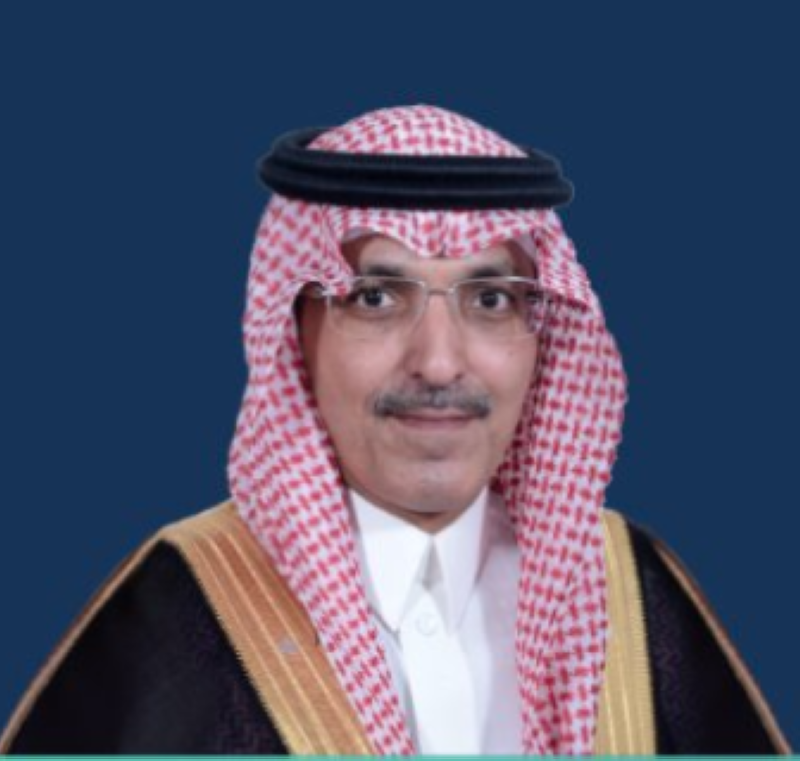

Saudi Arabia’s ambitious economic diversification plan, Vision 2030, is moving beyond initial reforms and demonstrating tangible progress, according to Minister of Finance Mohammed Al-Jadaan. Speaking at the World Economic Forum in Davos on Monday, Al-Jadaan emphasized the shift from policy announcements to measurable results in the Kingdom’s ongoing transformation. This signals a new phase for the Saudi economy, focused on sustainability and broad adoption of changes.
The statements came during a session titled “From Reform to Delivery: Executing Change at Scale” at the Saudi House, a dedicated engagement platform for the nation at the forum. Al-Jadaan’s remarks aimed to reposition the narrative surrounding Saudi Arabia’s economic overhaul, highlighting its current state of implementation rather than future intentions. The forum, held annually in Switzerland, brings together global leaders to discuss pressing economic and social issues.
Vision 2030: From Reform to Delivery
Launched in 2016, Vision 2030 is a strategic framework designed to reduce Saudi Arabia’s dependence on oil revenue and develop a more diversified, sustainable economy. The plan encompasses a wide range of initiatives, including investments in tourism, technology, and infrastructure, as well as social reforms aimed at improving the quality of life for citizens. Initially, the focus was on outlining these ambitious goals.
However, Al-Jadaan indicated that the Kingdom has now reached a critical juncture. He stated that the central question is no longer *if* reform is happening, but *whether* it is becoming ingrained and widely supported. This shift in focus is crucial for ensuring the long-term success of the program and its ability to withstand potential economic headwinds.
Key Performance Indicators Demonstrate Progress
The Minister of Finance pointed to specific performance indicators as evidence of this progress. According to his presentation, 93% of the key performance indicators (KPIs) associated with Vision 2030 are either fully achieved or currently on track for completion. This represents a significant step forward in translating the plan’s objectives into concrete outcomes.
Furthermore, Al-Jadaan noted that 69 KPIs are already exceeding expectations, while an additional 254 are progressing as planned. These figures, he argued, demonstrate a clear transition from aspiration to execution. The Saudi government has been increasingly transparent in reporting on the progress of Vision 2030, publishing regular updates and data on its website.
The emphasis on data-driven results reflects a broader trend in economic policymaking globally. Governments are facing increasing pressure to demonstrate the effectiveness of their policies and to justify public spending. This is particularly true in the context of large-scale economic transformation programs like Vision 2030.
Sustaining Momentum and Addressing Challenges
While acknowledging the significant progress made, Al-Jadaan cautioned that sustaining momentum remains a key challenge. He emphasized the need to ensure that the reforms continue to deliver tangible benefits at scale. This will require ongoing commitment from both the public and private sectors, as well as a willingness to adapt and refine the plan as needed.
The Kingdom’s economic diversification efforts are also taking place against a backdrop of global economic uncertainty. Factors such as rising interest rates, geopolitical tensions, and supply chain disruptions could all pose challenges to the implementation of Vision 2030. The success of the plan will depend, in part, on Saudi Arabia’s ability to navigate these external risks.
Additionally, the development of a skilled workforce is essential for supporting the Kingdom’s economic diversification goals. The government has invested heavily in education and training programs, but further efforts may be needed to ensure that Saudi citizens have the skills and knowledge required to succeed in the new economy. Investment in human capital is a critical component of the long-term vision.
The presentation in Davos also touched upon the importance of attracting foreign investment to support the Kingdom’s economic growth. Saudi Arabia has been actively seeking to improve its investment climate and to attract capital from around the world. The government has implemented a number of reforms aimed at reducing bureaucratic hurdles and increasing transparency.
In contrast to previous years, where discussions centered on the *potential* of Vision 2030, Al-Jadaan’s message focused on the demonstrable achievements and the ongoing commitment to implementation. This shift in tone is intended to build confidence among investors and to demonstrate the Kingdom’s seriousness about its economic transformation.
The Saudi House at the World Economic Forum served as a platform to showcase these advancements to a global audience of policymakers, business leaders, and investors. The focus on the next phase of Vision 2030 underscores the Kingdom’s determination to continue its economic diversification journey.
Looking ahead, the Saudi government is expected to continue prioritizing the implementation of Vision 2030. The next major milestone is the achievement of specific targets outlined in the plan by 2030. However, the global economic landscape remains volatile, and the Kingdom will need to remain agile and adaptable to overcome potential challenges. Monitoring the progress of key performance indicators and the continued attraction of foreign direct investment will be crucial in assessing the long-term success of the initiative.