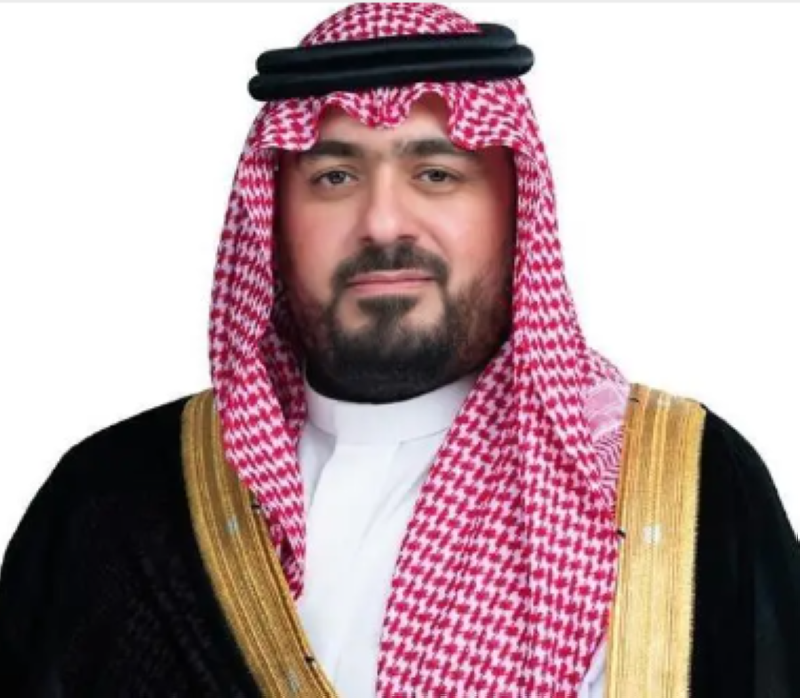

Saudi Arabia’s active participation in the 2026 World Economic Forum (WEF) in Davos signals the Kingdom’s growing influence on the global economic agenda. Minister of Economy and Planning Faisal Alibrahim stated the engagement builds upon Saudi Arabia’s significant economic transformation and commitment to international collaboration. The forum, scheduled for January 2026, will focus on fostering cooperative economic models to drive sustainable growth worldwide.
The announcement follows the successful hosting of the 2024 WEF Special Meeting in Riyadh, which convened global leaders to discuss “Global Collaboration, Growth and Energy for Development.” This continued involvement demonstrates Saudi Arabia’s dedication to addressing pressing international economic issues and contributing to a more stable and prosperous future. The Kingdom views the WEF as a crucial platform for dialogue and partnership.
Saudi Arabia’s Role in the Global Economic Agenda
Saudi Arabia’s participation in the 2026 WEF is not merely symbolic; it reflects a deliberate strategy to position itself as a key player in shaping global economic policy. According to Alibrahim, the Kingdom aims to contribute to building a resilient and sustainable global economy, particularly focusing on the needs of emerging markets. This ambition is underpinned by substantial domestic economic progress.
Over the past five years, Saudi Arabia has experienced significant diversification away from oil, with 74 out of 81 non-oil sectors reporting annual growth exceeding 5%. Furthermore, 38 of those sectors have seen growth rates surpass 10%, the ministry reported. This expansion highlights the success of the Kingdom’s Vision 2030 plan, which prioritizes economic diversification and private sector development.
Focus on Innovation and Digital Transformation
Alibrahim emphasized the importance of innovation and the adoption of digital technologies, including artificial intelligence, as critical drivers of economic transformation. He stated that these advancements are essential for strengthening economic integration and maintaining trade balance stability. The Kingdom has been actively investing in technology and infrastructure to support this shift.
However, the successful integration of these technologies requires a skilled workforce. The minister underscored the need for sustained investment in human capital to ensure that Saudi Arabia can fully capitalize on the opportunities presented by the digital economy. This includes initiatives to improve education and training programs.
Promoting Sustainable Growth and Resilience
The WEF’s focus on institutionalizing international cooperation aligns with Saudi Arabia’s own efforts to foster collaborative partnerships. The Kingdom recognizes that addressing global challenges, such as climate change and economic inequality, requires a coordinated approach. This is reflected in its involvement in various international initiatives and organizations.
The emphasis on sustainable growth is also central to Saudi Arabia’s economic strategy. The Kingdom is committed to reducing its carbon footprint and investing in renewable energy sources. This commitment is driven by both environmental concerns and the recognition that a sustainable economy is a more resilient economy. The country is also exploring opportunities in green finance and sustainable investment.
The 2024 WEF Special Meeting in Riyadh served as a precursor to the 2026 Davos forum, providing a platform for discussing key issues and building momentum for future collaboration. The Riyadh meeting focused heavily on energy transition and the role of technology in accelerating development. The outcomes of that meeting are expected to inform the discussions at the 2026 forum.
Saudi Arabia’s participation extends beyond simply attending the forum; the Kingdom intends to actively contribute to global economic resilience through balanced development and responsible innovation. This proactive approach is intended to enhance national competitiveness and position the country as a leader in the development of sustainable economic models. The government is actively seeking to attract foreign investment and promote public-private partnerships.
The Kingdom’s economic diversification efforts are also attracting attention from international investors. The growth in non-oil sectors is creating new opportunities for businesses and entrepreneurs. This, in turn, is contributing to job creation and economic growth. The development of sectors like tourism, manufacturing, and technology is seen as crucial for long-term sustainability.
Looking ahead, Saudi Arabia will continue to refine its economic policies and invest in key areas to prepare for the 2026 WEF in Davos. The specific agenda for the forum is still under development, but it is expected to address emerging economic challenges and opportunities. Observers will be watching to see how the Kingdom leverages its position to advance its economic interests and promote global cooperation. The success of Vision 2030 and its impact on the global economic agenda will likely be a central theme of discussion.
The ongoing geopolitical landscape and potential shifts in global trade dynamics represent uncertainties that could influence the forum’s outcomes. Furthermore, the pace of technological innovation and the evolving energy market will also be key factors to watch. The Kingdom’s ability to navigate these challenges and maintain its economic momentum will be crucial for its continued success on the international stage. The impact of economic development on regional stability will also be a key consideration.
The WEF’s focus on international cooperation and the Kingdom’s commitment to sustainable growth suggest a continued emphasis on multilateralism and responsible economic policies. The next steps involve further engagement with WEF stakeholders and the development of specific proposals for discussion at the 2026 forum. The Ministry of Economy and Planning is expected to release more detailed information about Saudi Arabia’s agenda in the coming months.