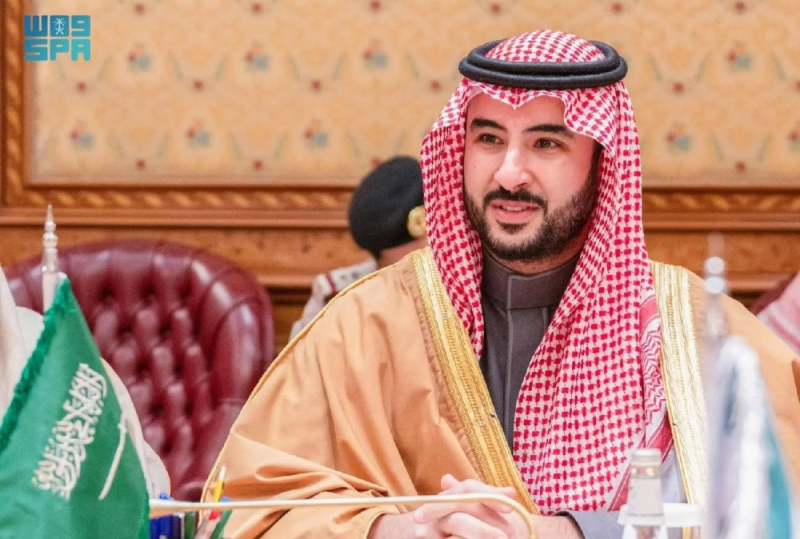

Saudi Arabia is taking a leading role in advancing a political solution for southern Yemen, with Defense Minister Prince Khalid bin Salman announcing Friday the formation of a preparatory committee to organize a Riyadh Conference focused on the region. This initiative, aimed at uniting southern Yemeni figures, represents a significant step towards addressing the complex issues within Yemen and achieving a lasting peace. The conference seeks to establish a unified vision for the South, advocating for solutions that represent the diverse will of its people, and bolstering broader talks to resolve the overall Yemen crisis.
The announcement, made via Prince Khalid’s official X account, follows a decision by southern leaders to dissolve the Southern Transitional Council (STC). The Riyadh Conference is planned to include representatives from all southern governorates, ensuring inclusivity and preventing the marginalization of any group. This move has been welcomed by Saudi officials as a constructive development, with the expectation that it will lead to more comprehensive and effective negotiations.
Advancing a Political Solution to the Yemen Crisis
The ongoing conflict in Yemen has created a severe humanitarian disaster and regional instability for nearly a decade. Initially stemming from the Houthi insurgency, the war drew in external actors, including Saudi Arabia, which intervened in 2015 leading a coalition supporting the internationally recognized government. The southern part of Yemen, historically distinct from the north, has added further complexity to the situation.
For years, the STC, representing southern separatists, held significant sway over Aden and other southern territories. Their aims centered on self-governance, and at times, outright independence. However, according to reports, internal disagreements and concerns about hindering a wider peace process contributed to the dismantling of the council, paving the way for a more unified approach in the Riyadh talks.
The Role of Saudi Arabia
Saudi Arabia has consistently voiced its commitment to a peaceful and stable Yemen. The Defense Minister’s statement underscores that commitment, detailing the Kingdom’s proactive role in facilitating dialogue among southern factions. The preparatory committee will be formed in consultation with these figures, demonstrating a collaborative approach.
Additionally, Prince Khalid emphasized Saudi Arabia’s financial and political support for the outcomes of the Riyadh Conference. This support is contingent on linking those results to comprehensive political negotiations aimed at resolving the broader Yemeni conflict. The Kingdom appears to be positioning itself as a key mediator and guarantor of any eventual agreement.
Implications of the STC Dissolution
The dissolution of the STC is being widely interpreted as a tactical maneuver by southern leaders to strengthen their position at the negotiating table. By presenting a more unified front, they aim to maximize their influence over the future of southern Yemen. The move may also alleviate concerns from other stakeholders, including the Yemeni government and the Houthis, regarding a fragmented and potentially destabilizing southern presence in peace talks.
However, the disappearance of the STC structure doesn’t guarantee complete unity. Pre-existing tensions and competing interests among different southern groups could resurface during the Riyadh Conference. Successfully navigating these differences will be crucial for the conference to achieve its stated objectives.
International Support and the Path Forward
Prince Khalid bin Salman also noted the international community’s support for the Saudi-sponsored initiative. Several countries, including the United States, have been actively engaged in diplomatic efforts to end the Yemeni civil war. This broad backing lends further legitimacy and momentum to the Riyadh Conference.
The United Nations has been consistently working towards a ceasefire and a comprehensive political settlement. Special Envoy Hans Grundberg has played a pivotal role in shuttle diplomacy between the warring parties, and is likely to be involved in integrating the outcomes of the Riyadh Conference into his broader peace plan. Finding a resolution to the southern Yemen issue is seen by many as a critical component of overall stability.
While the specific agenda and timeframe for the Riyadh Conference have not yet been fully disclosed, the Saudi announcement signals a renewed effort to address the underlying causes of the conflict. The aims of achieving an inclusive political framework for southern Yemen, and using that framework as a building block for wider negotiations, represent a significant shift in approach.
The coming weeks will be crucial as the preparatory committee is formed and details of the conference are finalized. The level of participation from all southern governorates will be a key indicator of its potential success. Observers will also be watching to see how the outcomes of the conference are integrated into the ongoing negotiations led by the UN Special Envoy and whether it leads to tangible progress towards ending the protracted Yemen conflict. A lasting resolution remains uncertain, but this conference offers a fresh opportunity for dialogue and a potentially more sustainable future for the region.
The exact date of the Riyadh Conference remains unconfirmed, and challenges related to representation and power-sharing are anticipated. Continued international pressure and commitment to facilitating inclusive negotiations will be essential in order to enhance the prospects for a comprehensive, and lasting, peace.