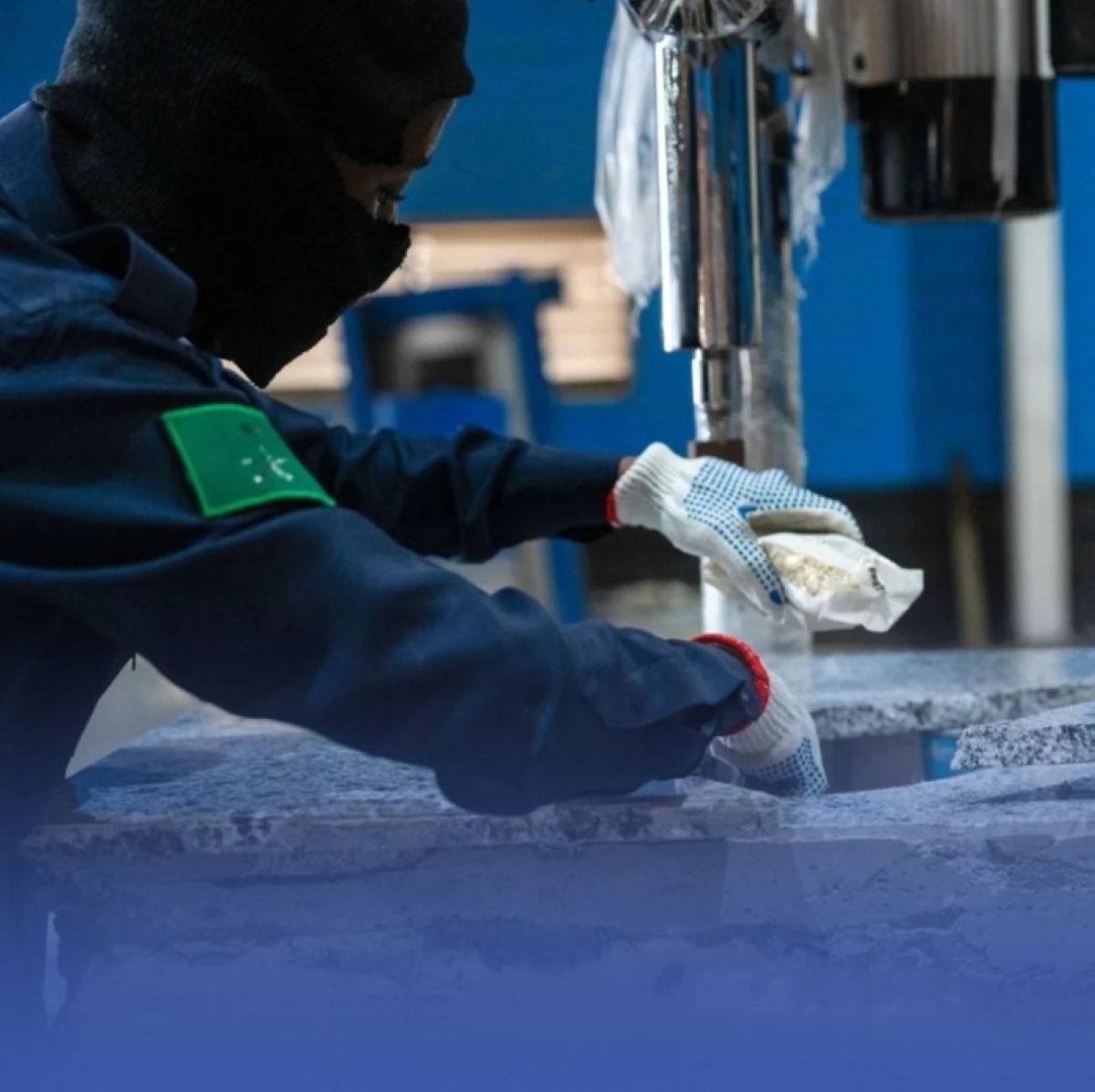

Saudi Arabia’s Zakat, Tax and Customs Authority (ZTCA) reported the interception of 969 smuggling cases across the Kingdom’s borders in the past week. The seizures, announced Saturday, involved a diverse range of illicit goods including narcotics, prohibited substances, tobacco products, financial instruments, and weaponry. These efforts underscore the ZTCA’s ongoing commitment to border security and economic protection within the Kingdom.
The interceptions occurred at various customs ports throughout Saudi Arabia – encompassing land crossings, seaports, and airports. According to the ZTCA, the confiscated items included 69 types of narcotics, highlighting the ongoing battle against drug trafficking, plus 448 types of prohibited substances, 1,936 types of tobacco and its derivatives, 5 types of financial items, and 12 types of weapons and related materials. This substantial number of cases reflects heightened vigilance and improved detection capabilities.
Strengthening Customs Control & Combating Smuggling
The ZTCA’s announcement is part of a larger, sustained effort to bolster smuggling prevention measures at all points of entry and exit. This operational focus aligns with Saudi Arabia’s broader national security strategy and its Vision 2030 plan, which prioritizes economic diversification and a stable investment environment. The presence of illicit goods disrupts legitimate trade and poses a threat to public safety, factors the ZTCA is actively working to mitigate.
The agency emphasized the importance of effective customs control in protecting both the security of Saudi society and the integrity of its national economy. The sheer variety of seized items suggests a sophisticated network of illicit trade activities. This underscores the need for continual adaptation of surveillance strategies and international cooperation.
Details of the Seizures
The seizure of 69 types of narcotics points to a complex smuggling landscape involving multiple sources and distribution routes. The ZTCA did not disclose the specific types of narcotics seized, the quantities involved, or the origin/destination countries. However, the breadth of narcotics types indicates a multifaceted challenge requiring collaboration with international law enforcement agencies.
Tobacco and its derivatives accounted for the largest volume of seizures, with 1,936 instances identified. This suggests continued demand for inexpensive or untaxed tobacco products, potentially fueling a significant black market. Authorities attribute this to attempts to avoid excise taxes and regulations governing tobacco sales within the Kingdom.
The recovery of 5 types of financial items suggests efforts to launder money or circumvent financial regulations. These seizures could involve currency, traveler’s checks, or other financial instruments used in illicit transactions. The ZTCA works closely with the Saudi Central Bank (SAMA) to combat financial crimes.
Finally, the interception of 12 types of weapons and related materials reinforces concerns about regional instability and the flow of arms. Authorities indicate these seizures are carefully reviewed and investigated for potential links to terrorist or criminal groups. The precise nature of the weaponry remains undisclosed, but the priority is to prevent their entry into the country.
The ZTCA is actively encouraging public participation in the fight against smuggling. The agency has publicized a dedicated security reporting number, 1910, for individuals to anonymously report suspected smuggling activities and violations of the Unified Customs Law. This initiative aims to create a broader network of vigilance extending beyond official customs channels.
To incentivize reporting, the ZTCA announced the availability of financial rewards for individuals providing information that leads to the successful apprehension of smugglers and the recovery of illicit goods. This rewards program is designed to overcome potential fears of reprisal and encourage citizens to contribute to national security efforts. The details of the reward structure are publicly available on the ZTCA website.
The Kingdom has been increasing its efforts to combat illicit financial flows and cross-border crime in recent years. This includes investments in advanced scanning technologies at ports of entry, enhanced training for customs officials, and closer collaboration with international organizations like Interpol and the World Customs Organization. These measures are intended to create a more secure and transparent trade environment.
Additionally, Saudi Arabia has been strengthening its legal framework related to smuggling and customs violations. Amendments to the Unified Customs Law have increased penalties for offenders and broadened the scope of prohibited goods. These legal changes are intended to deter smuggling activities and ensure effective prosecution of those involved.
Looking ahead, the ZTCA is expected to continue its intensified enforcement efforts and expand its public awareness campaigns. The agency will likely focus on analyzing the data from recent seizures to identify emerging trends and vulnerabilities in its border security system. Further expansions of interagency coordination and international partnerships are also anticipated. The next comprehensive report from the ZTCA detailing smuggling statistics is expected within the next quarter.
Developing technologies, such as artificial intelligence, are also being explored to enhance detection capabilities and streamline customs procedures. The effectiveness of these new strategies and technologies will be a key area to watch in the coming months.